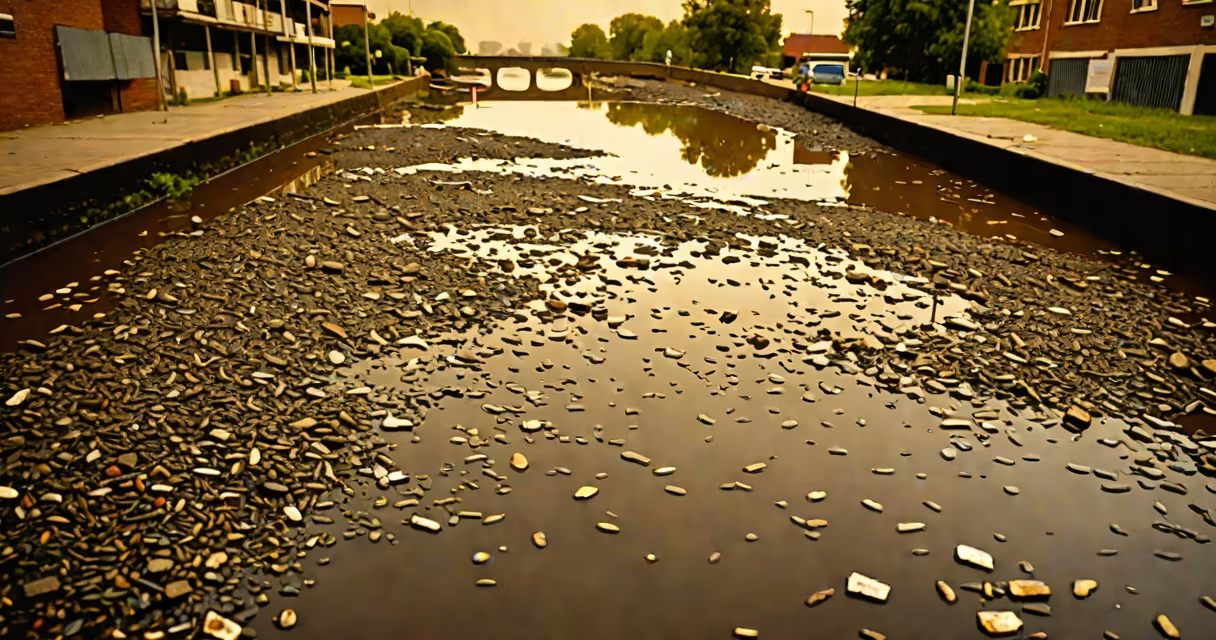
Water pollution occurs when harmful substances-chemicals, pathogens, plastics, or nutrients-enter water bodies such as rivers, lakes, oceans, or groundwater, degrading water quality and endangering life. This contamination disrupts ecosystems, compromises drinking water safety, and contributes to global health risks.
Water pollution originates from point sources-like industrial discharge pipes or sewage treatment plants-and nonpoint sources, such as agricultural runoff or urban stormwater. These inputs introduce pollutants including heavy metals, pesticides, pharmaceuticals, and microplastics. The U.S. Environmental Protection Agency (EPA) identifies over 150,000 known pollution sites nationwide, many linked to legacy industrial activity and aging infrastructure.
Contaminants enter water through direct dumping, leaching from landfills, atmospheric deposition, or surface runoff. For example, nitrogen and phosphorus from fertilizers stimulate algal blooms that deplete oxygen in water, creating dead zones. In 2020, the Gulf of Mexico's dead zone spanned 6,330 square miles-larger than the state of New Jersey-due to nutrient runoff from the Mississippi River basin.
When pollutants enter water, they don't disappear. They move through hydrological cycles, accumulate in food chains, and persist in sediments. A single spill of polychlorinated biphenyls (PCBs) from a factory in the Hudson River led to fish consumption advisories lasting decades due to bioaccumulation in predator species like striped bass.
Microbial pollution is another critical pathway. Untreated sewage releases pathogens such as *E. coli* and *Salmonella*. In 2019, a sewage overflow in Chicago discharged 1.2 billion gallons of raw waste into Lake Michigan during a storm-prompting a public health warning and highlighting vulnerabilities in combined sewer systems.
Once introduced, pollutants undergo physical, chemical, and biological transformations. Iron and manganese may dissolve in acidic rainwater, then precipitate downstream, staining streams red or brown. These changes alter pH, reduce dissolved oxygen, and harm aquatic organisms. The EPA reports that nearly 40% of assessed U.S. rivers and streams fail to meet basic water quality standards.
Water pollution falls into several categories based on origin and impact:
| Pollutant Type | Common Sources | Health & Environmental Impact |
|---|---|---|
| Heavy Metals | Industrial discharge, mining runoff | Neurotoxicity; kidney damage; bioaccumulation in fish |
| Nutrients (Nitrogen/Phosphorus) | Fertilizer runoff, sewage | Algal blooms; hypoxia; fish kills |
| Pathogens | Sewage, animal waste | Gastrointestinal illness; waterborne disease outbreaks |
| Plastics & Microplastics | Wastewater, litter, tire wear | Entanglement; ingestion by wildlife; potential hormone disruption |
| Organic Chemicals | Industrial solvents, pesticides | Cancer risk; reproductive harm; persistence in environment |
One underappreciated source is atmospheric deposition. Pollutants like mercury travel thousands of miles in the atmosphere before settling into waterways. The World Health Organization (WHO) estimates that mercury pollution from coal-fired power plants contributes to over 100,000 cases of developmental neurotoxicity annually in children exposed via contaminated fish.
Many assume that "natural" water is safe. But even pristine mountain streams can carry high levels of arsenic due to geologic sources. In Bangladesh, millions of people drink groundwater contaminated with naturally occurring arsenic-leading to widespread skin lesions and cancers. The WHO classifies arsenic as a Group 1 carcinogen, meaning it definitively causes cancer in humans.
Another myth is that water treatment removes all contaminants. While municipal systems filter out most pathogens and suspended solids, they often fail to eliminate emerging contaminants like pharmaceuticals, per- and polyfluoroalkyl substances (PFAS), or microplastics. A 2021 study by the U.S. Geological Survey found PFAS in 75% of tested public water supplies across 10 states.
Some believe pollution only affects developing nations. But the United States still faces significant challenges. The Environmental Working Group (EWG) analyzed water testing data from 2015 to 2020 and found that 42 million Americans were exposed to tap water containing lead above federal limits. Lead exposure in children can cause irreversible IQ loss and behavioral issues.
In 2014, Flint switched its water source from Lake Huron to the Flint River to cut costs. The river water was highly corrosive and lacked proper corrosion inhibitors. Over time, it leached lead from aging pipes into homes. Blood tests later showed elevated lead levels in over 40% of children tested.
The crisis revealed systemic failures: inadequate monitoring, delayed response, and lack of transparency. The EPA confirmed that the switch violated the Safe Drinking Water Act. By 2016, the city had spent $100 million on replacing pipes and providing bottled water. The incident underscored that water pollution isn't always visible-it can be invisible, slow-moving, and deadly.
Individual actions reduce pollution at scale. Using phosphate-free detergents prevents nutrient overload in waterways. Avoid flushing medications down toilets-instead, return them to designated collection sites. Reducing plastic use cuts microplastic input into oceans.
Community engagement matters. Join local watershed groups or advocate for green infrastructure like bioswales and permeable pavements. These systems absorb stormwater and filter pollutants before they reach rivers.