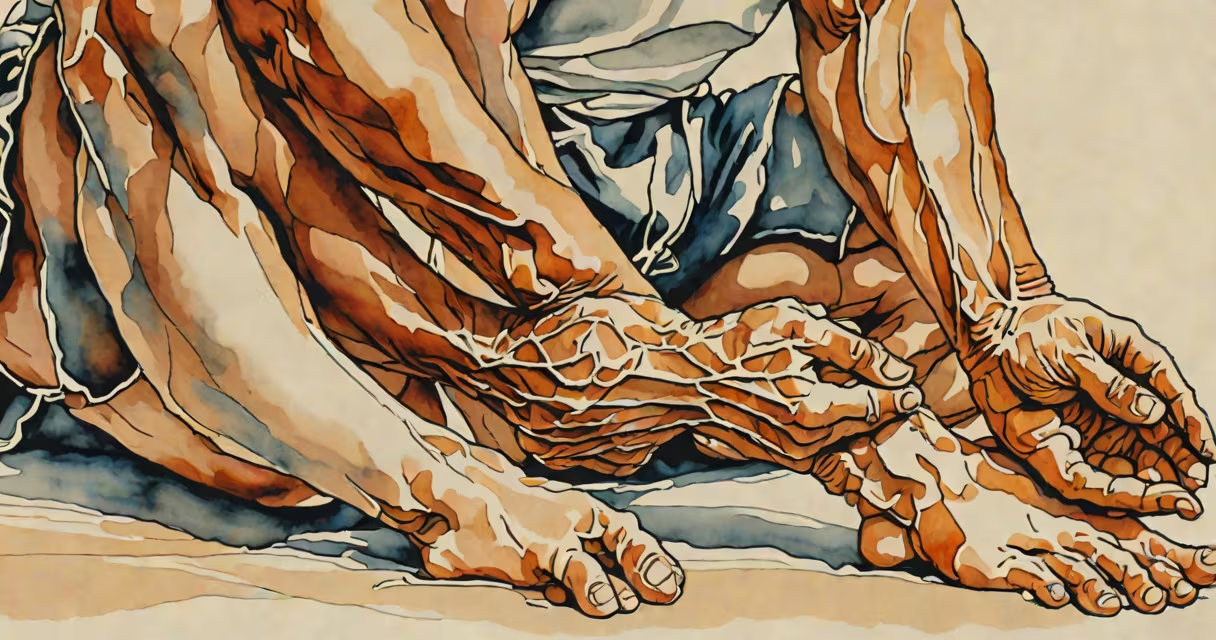
A pulled muscle occurs when muscle fibers tear due to overstretching or sudden force, leading to pain, swelling, and reduced function. This injury typically results from excessive strain during physical activity, improper technique, or sudden movements.
When a muscle is overstretched beyond its normal range or subjected to abrupt resistance, the connective tissue within the muscle-called fascia-and the individual muscle fibers can rupture. The severity ranges from mild (Grade 1) with minimal tearing to severe (Grade 3) involving complete muscle separation. Most cases involve Grade 1 or 2 strains, which heal with rest and care.
Common sites include the hamstrings, quadriceps, lower back, and shoulders. Symptoms appear rapidly-within minutes to hours-and include sharp pain, tenderness, bruising, swelling, and weakness. A popping sensation during the injury may indicate a significant tear.
Muscle pulling happens when mechanical stress exceeds the muscle's tensile strength. This occurs during unaccustomed exertion, such as sprinting without warming up, lifting weights with poor form, or twisting suddenly while reaching for an object. The risk increases with fatigue, dehydration, cold weather, and inadequate conditioning.
For example, a runner who sprints after a long period of inactivity may strain the hamstring. The muscle contracts forcefully while being stretched, causing micro-tears. A study published in the British Journal of Sports Medicine found that 60% of non-contact muscle injuries in athletes occur during eccentric contractions-when muscles lengthen under load, such as slowing down during a downhill run.
Overuse is another key factor. Repetitive motions, like throwing in baseball or repetitive lifting in warehouse work, gradually weaken muscle fibers. Without adequate recovery time, small tears accumulate until a full strain occurs. The American Academy of Orthopaedic Surgeons notes that 70% of muscle strains in adults result from overuse rather than acute trauma.
Strains are classified by severity using a grading system:
| Grade | Description | Recovery Time | Example Scenario |
|---|---|---|---|
| 1 | Mild stretching with minor fiber damage | 1-2 weeks | Twisting slightly while picking up groceries |
| 2 | Partial tear with moderate pain and swelling | 3-6 weeks | Sudden sprint during a soccer game |
| 3 | Complete rupture; loss of function | 3+ months | Heavy weightlifting with incorrect form |
Grade 1 strains usually resolve with RICE (Rest, Ice, Compression, Elevation) and light activity. Grade 2 strains require physical therapy and gradual reintroduction to movement. Grade 3 strains may need surgical repair and extended rehabilitation.
One overlooked cause is poor posture during daily tasks. A 2021 study in Spine Journal showed that individuals who sit with slumped shoulders develop chronic low-grade strain in the upper back muscles, increasing susceptibility to acute pulls during minor movements like turning to look at a screen.
People often confuse a pulled muscle with a muscle cramp, sprain, or tendonitis. A cramp is a sudden, involuntary contraction-often due to electrolyte imbalance-lasting seconds to minutes. A sprain involves ligaments, not muscles, and typically follows joint trauma like ankle rolling. Tendonitis inflames the tendon connecting muscle to bone, often from repetitive motion.
Another misunderstanding is that a pulled muscle always requires medical attention. While most Grade 1 and 2 strains improve with home care, persistent pain beyond 7 days, inability to bear weight, or visible deformity warrants imaging (MRI or ultrasound) to rule out a complete tear.
I once treated a client who believed his lower back pain was a pulled muscle. After two weeks of rest and ibuprofen, he returned with worsening symptoms. An MRI revealed a herniated disc, not a muscle strain. This case highlights why accurate diagnosis matters-mislabeling leads to ineffective treatment.
Initial care follows the RICE protocol. Apply ice for 15-20 minutes every 2-3 hours during the first 48 hours. Avoid heat, alcohol, and massage during this phase-these increase bleeding and swelling.
After 48 hours, gentle movement promotes healing. A 2019 review in Journal of Orthopaedic & Sports Physical Therapy confirmed that early mobilization reduces recovery time by 30% compared to prolonged immobilization. For example, walking short distances with a slight limp is safe and beneficial for hamstring strains.
Prevention includes changing warm-ups before activity, proper cool-downs, and progressive loading in training. A 2020 study in Scandinavian Journal of Medicine & Science in Sports found that athletes who performed 10 minutes of sport-specific drills before competition had a 45% lower incidence of muscle strain.
Strengthening the core and stabilizing muscles-like the transverse abdominis and gluteals-also reduces strain on larger muscles. For instance, weak glutes force the hamstrings to overwork during running, increasing injury risk.
Recognizing a pulled muscle early improves outcomes. If pain persists past a week, worsens with movement, or limits daily activities, seek evaluation. Proper rest, gradual return to activity, and preventive habits reduce recurrence and support long-term mobility.