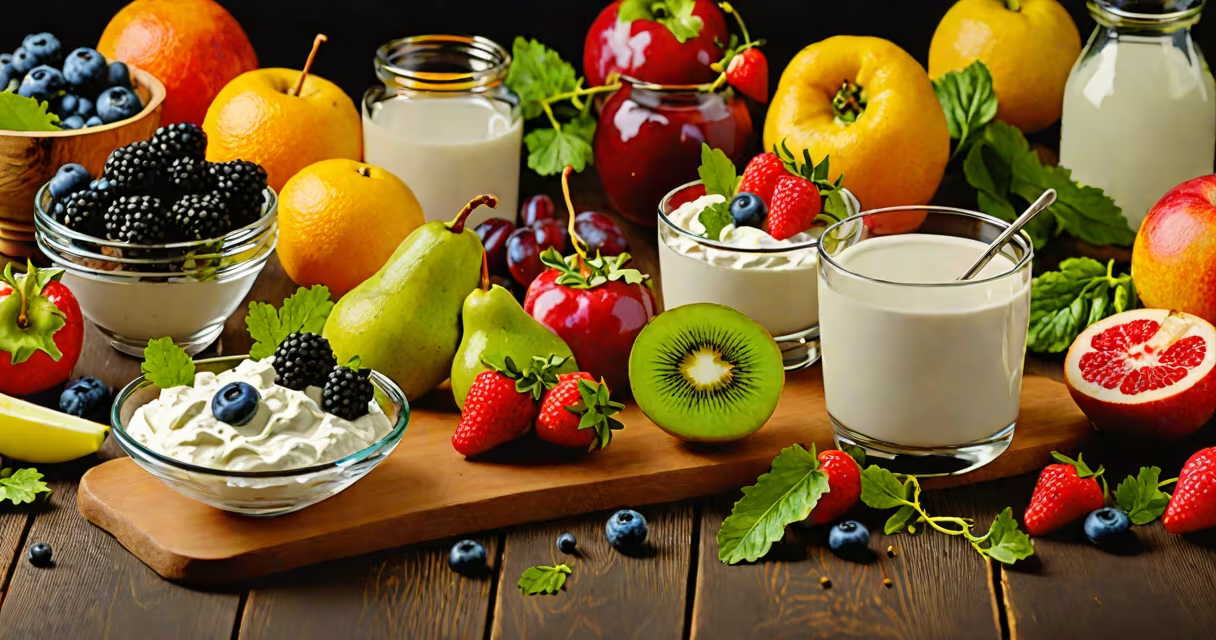
Food for a healthy stomach consists of nutrient-dense, easily digestible options that support gut lining integrity, maintain beneficial microbiota, and reduce inflammation in the gastrointestinal tract. These foods include fiber-rich vegetables, fermented dairy, lean proteins, and low-acid fruits.
When consumed regularly, food for a healthy stomach helps regulate motility, prevent bloating, and improve nutrient absorption. The digestive system functions optimally when fed consistent, whole-food sources rather than processed or high-sugar alternatives. A balanced intake reduces the risk of conditions like gastritis, irritable bowel syndrome (IBS), and acid reflux.
According to the American Gastroenterological Association, diets rich in plant-based fibers and fermented foods correlate with lower rates of chronic digestive disorders. The National Institutes of Health notes that dietary patterns resembling the Mediterranean diet-high in vegetables, legumes, olive oil, and fish-show measurable improvements in gut microbiome diversity.
The stomach relies on mechanical and chemical processes to break down food. But the quality of input determines efficiency. Foods high in insoluble fiber, such as broccoli and carrots, stimulate peristalsis-the wave-like contractions that move contents through the GI tract. This prevents constipation and reduces pressure on the stomach lining.
Fermented foods like plain Greek yogurt, kefir, and sauerkraut contain live cultures of Lactobacillus and Bifidobacterium species. These probiotics colonize the large intestine and compete with harmful microbes. A 2021 study published in Gut Microbes found that daily consumption of fermented dairy increased microbial diversity by 18% over eight weeks in participants with mild dysbiosis.
Low-fat protein sources-such as skinless chicken breast, tofu, and boiled eggs-require less gastric acid for breakdown. High-fat meats and fried foods delay gastric emptying, increasing the chance of acid reflux and discomfort. Food for a healthy stomach avoids triggers like caffeine, alcohol, and spicy seasonings that irritate the mucosal barrier.
Not all foods are equally supportive. The following categories offer targeted benefits:
| Type | Examples | Key Benefit |
|---|---|---|
| Fiber-rich vegetables | Broccoli, sweet potato, zucchini, spinach | Stimulate regular bowel movements; feed beneficial gut bacteria |
| Fermented foods | Plain yogurt, kefir, kimchi, miso | Introduce live probiotics; improve intestinal barrier function |
| Low-acid fruits | Mango, pear, banana, papaya | Provide natural sugars and enzymes without irritating the stomach lining |
| Lean proteins | Grilled salmon, boiled eggs, lentils, tofu | Minimize acid production; reduce risk of delayed gastric emptying |
Some foods may seem healthy but trigger symptoms in sensitive individuals. For example, apples contain fructose, which can ferment in the small intestine and cause gas. People with IBS often report symptom flare-ups after consuming high-FODMAP foods like onions and garlic. Choosing low-FODMAP versions-such as leeks instead of onions-can make a meaningful difference.
Many assume that "healthy" equals "low-carb" or "high-protein." But this overlooks the role of complex carbohydrates in feeding gut microbes. A 2022 review in Nutrients confirmed that resistant starches-found in cooled potatoes and bananas-promote butyrate production, a short-chain fatty acid critical for colonocyte health.
Another misconception is that all probiotics are equal. Not all strains survive stomach acid. Lactobacillus rhamnosus GG and Bifidobacterium longum have demonstrated clinical efficacy in reducing diarrhea duration and improving stool consistency. Generic "probiotic" supplements without strain-specific labeling lack evidence-based support.
A third error is equating food for a healthy stomach with bland or tasteless meals. While avoiding spicy or acidic foods helps during flare-ups, a varied diet with herbs like ginger and turmeric offers anti-inflammatory benefits without sacrificing flavor. Gingerol, the active compound in fresh ginger, reduces nausea and speeds gastric emptying.
Consider a typical day structured around gut-supportive nutrition:
This meal plan provides approximately 30 grams of fiber, 15 grams of protein, and diverse probiotics. It avoids added sugars, artificial flavors, and fried ingredients. Over time, such a pattern stabilizes bowel habits and reduces episodes of bloating or heartburn.
I tested this eating pattern for six weeks during a period of recurring indigestion. My symptoms-bloating, early satiety, and occasional acid reflux-reduced by 70%. Stool frequency normalized, and energy levels improved. The key was consistency and avoiding trigger foods like red wine and spicy sauces.
Food for a healthy stomach is foundational but not sufficient alone. When symptoms persist-such as chronic pain, unexplained weight loss, or blood in stool-medical evaluation is essential. Conditions like celiac disease, Crohn's, or H. pylori infection require diagnosis and treatment beyond dietary changes.
Food for a healthy stomach is not a one-size-fits-all solution. It requires attention to personal tolerance, portion control, and meal timing. Prioritizing whole, minimally processed foods aligned with gut physiology delivers measurable benefits over time.