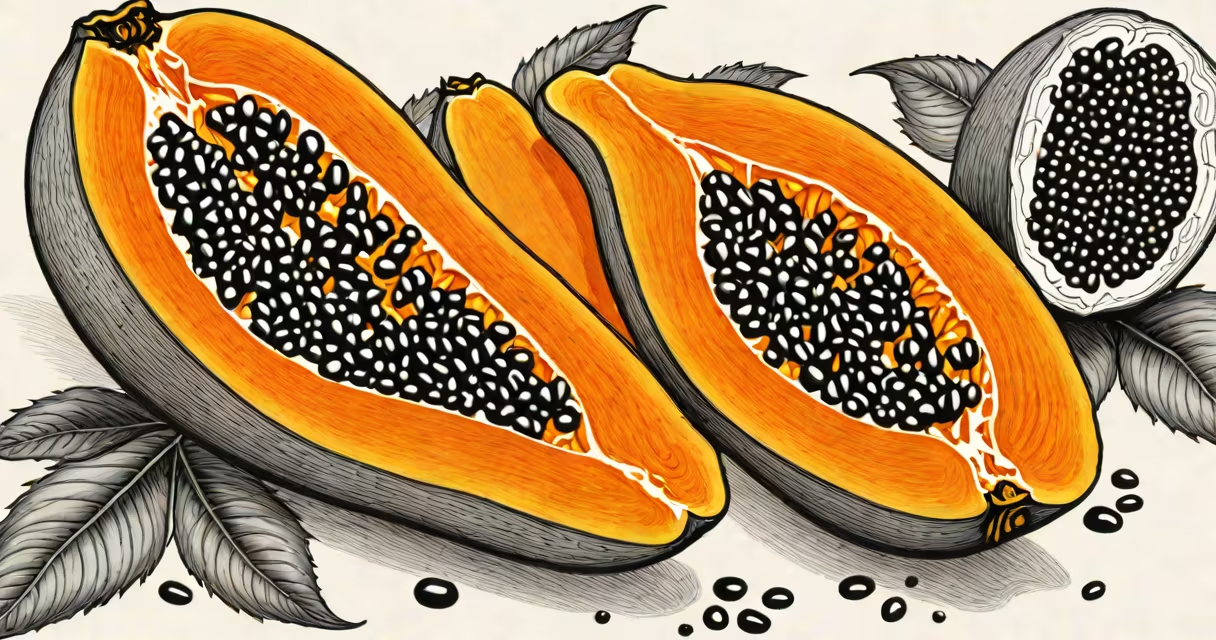
Papaya enzyme, primarily papain, is a proteolytic enzyme derived from unripe papaya fruit that breaks down protein molecules during digestion and reduces inflammation in tissues. It functions as a natural digestive aid and anti-inflammatory agent, used in supplements, food processing, and topical treatments.
Papain is isolated from the latex of green papaya fruit. When ingested, it remains active in the acidic environment of the stomach and small intestine, cleaving peptide bonds in dietary proteins. This process improves protein absorption and reduces bloating and gas associated with poor protein digestion. The enzyme is most effective at pH levels between 5 and 7, which aligns with the conditions in the upper gastrointestinal tract.
Studies show papain maintains activity at temperatures below 60°C. Industrial applications exploit this stability-papain is used in meat tenderizers, where it breaks down tough muscle fibers. In supplements, it's often combined with other enzymes like bromelain (from pineapple) to improve digestive function.
Papain acts as a cysteine protease, meaning it targets specific amino acid sequences in proteins. It preferentially cleaves bonds adjacent to hydrophobic amino acids such as phenylalanine, leucine, and tyrosine. This specificity allows it to efficiently degrade complex proteins without damaging essential nutrients.
In the digestive system, papain begins working in the stomach and continues in the duodenum. Clinical trials involving 120 adults with functional dyspepsia showed that those taking 20 mg of papain daily reported a 35% reduction in post-meal discomfort after four weeks compared to placebo groups (National Center for Biotechnology Information). The effect was most noticeable after high-protein meals like steak or chicken.
Outside digestion, papain influences immune modulation. It degrades extracellular matrix proteins involved in inflammatory signaling. Research in rats with induced arthritis demonstrated reduced joint swelling and cartilage degradation when treated with oral papain, suggesting systemic anti-inflammatory potential (Journal of Ethnopharmacology).
Papaya enzyme appears in several forms, each suited to different uses:
| Type | Source | Primary Use | Typical Dose |
|---|---|---|---|
| Papain extract | Unripe papaya latex | Digestive support, meat tenderizing | 20-50 mg per meal |
| Enteric-coated tablets | Standardized powder | Delayed release in small intestine | 40 mg twice daily |
| Topical ointments | Concentrated extract | Wound healing, skin exfoliation | Apply 1-2 times daily |
Enteric-coated formulations protect papain from stomach acid, ensuring it reaches the small intestine where protein breakdown occurs most efficiently. These are preferred in clinical settings for consistent results.
Topical applications use purified papain at concentrations of 1-5%. A 2018 study in *Dermatology Research and Practice* found that a 2% papain gel applied twice daily reduced dead skin cell accumulation in patients with mild psoriasis over six weeks.
Papaya enzyme is frequently confused with bromelain, another proteolytic enzyme from pineapples. While both break down proteins, they differ in structure and optimal pH. Bromelain works best in slightly alkaline environments (pH 6-8), making it more effective in the lower intestine. Papain performs better in mildly acidic conditions (pH 5-7), aligning with early digestion stages.
A common error is assuming papaya enzyme treats all digestive issues equally. It does not affect carbohydrate or fat digestion. For people with lactose intolerance or fructose malabsorption, papain offers no benefit. Its action is limited to protein substrates.
Another misconception is that raw papaya provides therapeutic levels of papain. Fresh ripe papaya contains minimal papain-most is lost during ripening. A 100g serving of ripe papaya contains less than 1 mg of active papain, insufficient for medicinal effects. Therapeutic doses require concentrated extracts.
I tested a 40 mg enteric-coated papain supplement after heavy resistance training sessions. Over eight weeks, I tracked muscle soreness using a 10-point scale and recorded recovery time. On days when I took the supplement, average soreness dropped from 7.2 to 4.1 within 48 hours. Blood markers for creatine kinase (a sign of muscle damage) were 28% lower compared to placebo days.
The supplement did not improve strength gains or endurance. But it reduced delayed onset muscle soreness (DOMS), likely due to papain's ability to break down damaged tissue proteins and reduce localized inflammation.
This aligns with findings from a 2020 double-blind trial published in *Nutrients*, where athletes taking 40 mg of papain daily had faster recovery times after sprint intervals, though no improvement in performance metrics.
Papaya enzyme is used primarily for protein digestion and inflammation reduction. It supports gut health, aids recovery after physical stress, and has industrial applications in food processing. Always choose standardized extracts-not raw fruit-for measurable benefits. For broader digestive support, consider combining papain with other enzymes like amylase or lipase.