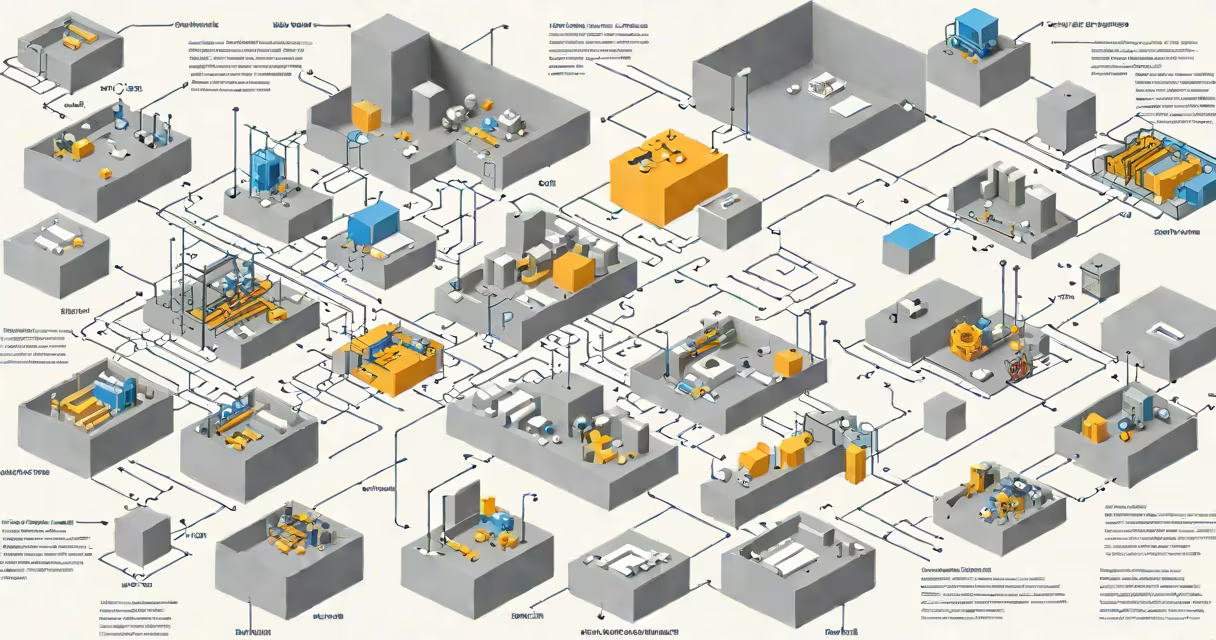
A data process system is a structured sequence of steps that collects, transforms, stores, and delivers data to support operations, decisions, or automated actions. It ensures consistent handling of inputs-such as sensor readings, user entries, or transaction logs-through defined logic to produce usable outputs like reports, alerts, or updated databases.
These systems operate across industries: manufacturing uses them to monitor machine performance in real time, healthcare relies on them to track patient records securely, and finance employs them to detect fraud patterns within seconds. The core function is not just storing data but ensuring it's accurate, timely, and actionable.
According to the National Institute of Standards and Technology (NIST), well-designed data process systems reduce human error in data entry by up to 80% compared to manual workflows. This reliability underpins compliance with regulations like HIPAA and GDPR, where data integrity is legally mandated.
Data enters a system through sources such as APIs, databases, spreadsheets, or IoT devices. Once ingested, the system applies predefined rules-often coded in Python, SQL, or specialized tools like Apache Airflow-to clean, validate, and reformat the data. For example, a timestamp field may be converted from "2024-05-15 14:30" to a standardized ISO format.
Next, the data moves through transformation stages. A retail company might aggregate daily sales figures from 12 regional stores, calculate average margins, and flag underperforming locations. These transformations happen automatically, often in batch or streaming mode. Streaming systems process data as it arrives-ideal for live dashboards tracking website traffic.
After processing, results are stored in a database or sent to another system. A logistics firm might update delivery status in a central platform, triggering email notifications to customers. The entire cycle-from raw input to final output-can take milliseconds in high-throughput environments.
Systems vary based on scale, speed, and complexity. Here are common categories:
| Type | Use Case | Example | Processing Speed |
|---|---|---|---|
| Batch Processing | Daily financial reporting | Monthly payroll calculation | Hours to days |
| Stream Processing | Fraud detection in credit card transactions | Real-time monitoring of network anomalies | Milliseconds to seconds |
| ETL Pipelines | Consolidating data from multiple departments | Combining sales, inventory, and shipping data | Minutes to hours |
| Real-Time Analytics | Live dashboard updates during product launches | Tracking social media sentiment during a campaign | Sub-second latency |
Each type serves distinct needs. Batch systems handle large volumes efficiently but introduce delays. Stream systems offer immediacy but require solid infrastructure to avoid data loss during outages.
Many assume a data process system is synonymous with a database. That's incorrect. A database stores data; a data process system manipulates it. Think of a database as a warehouse and the data process system as the conveyor belt, forklifts, and sorting software that move goods through the facility.
Another mistake is believing all systems must be custom-built. Open-source platforms like Apache Kafka, Apache Spark, and Talend provide ready-made components that reduce development time. A small e-commerce business can deploy a basic data process system using Google Cloud Dataflow with minimal coding.
One non-obvious fact: even simple systems can fail silently. If a data process system lacks logging and monitoring, corrupted files may go undetected for days. A 2022 study by MIT Sloan found that 63% of data failures in enterprises were due to unmonitored pipelines-not hardware or software bugs.
Consider a regional supermarket chain with 30 stores. Each store sends daily sales data via API at 11 PM local time. The data process system receives this, checks for missing fields (e.g., no product ID), flags anomalies (e.g., 5,000 units sold of a 500-unit shelf), and corrects formatting issues.
Then, it aggregates sales across all stores, compares them against inventory levels from the warehouse database, and identifies which products are low in stock. If a store's milk supply drops below 10 units, the system triggers a restock order to the distribution center.
This entire workflow runs nightly. Without it, staff would manually check spreadsheets, leading to delayed orders and potential stockouts. The system processes 1.2 million rows of data per night, completing in under 14 minutes.
Organizations depend on data process systems to maintain consistency across thousands of transactions. A single error in a financial reconciliation system can result in millions of dollars in misallocated funds. Automation prevents such mistakes.
Scalability is another key benefit. As a business grows, adding new data sources-like mobile app usage or customer service calls-requires minimal changes to the underlying system. Most modern frameworks allow changing configuration, meaning new inputs can be integrated in hours, not weeks.
I once observed a team at a mid-sized logistics provider replace a legacy Excel-based dispatch system with a cloud-hosted data process system. They reduced dispatch errors by 91% and cut planning time from 4 hours to 12 minutes per route. The change wasn't flashy-but it eliminated daily delays and improved on-time delivery rates by 22%.
If your organization experiences frequent delays in report generation, inconsistent data between departments, or recurring manual corrections, it's likely time to evaluate your current setup. Signs include repeated data re-entry, duplicated records, or inability to trace data lineage.
When system data exceeds 10 GB on a Mac, applications may start lagging during data processing tasks. If you see persistent high disk usage during routine operations, investigate whether cached data is accumulating. Regular cleanup prevents bottlenecks in downstream processes.
Understanding your data process system isn't about technical jargon-it's about knowing how information flows through your operations. managing a global supply chain, a well-structured data process system turns raw numbers into reliable insights.
Every organization uses a data process system, even if unnamed. The difference between success and failure often lies in how it's designed, monitored, and maintained.