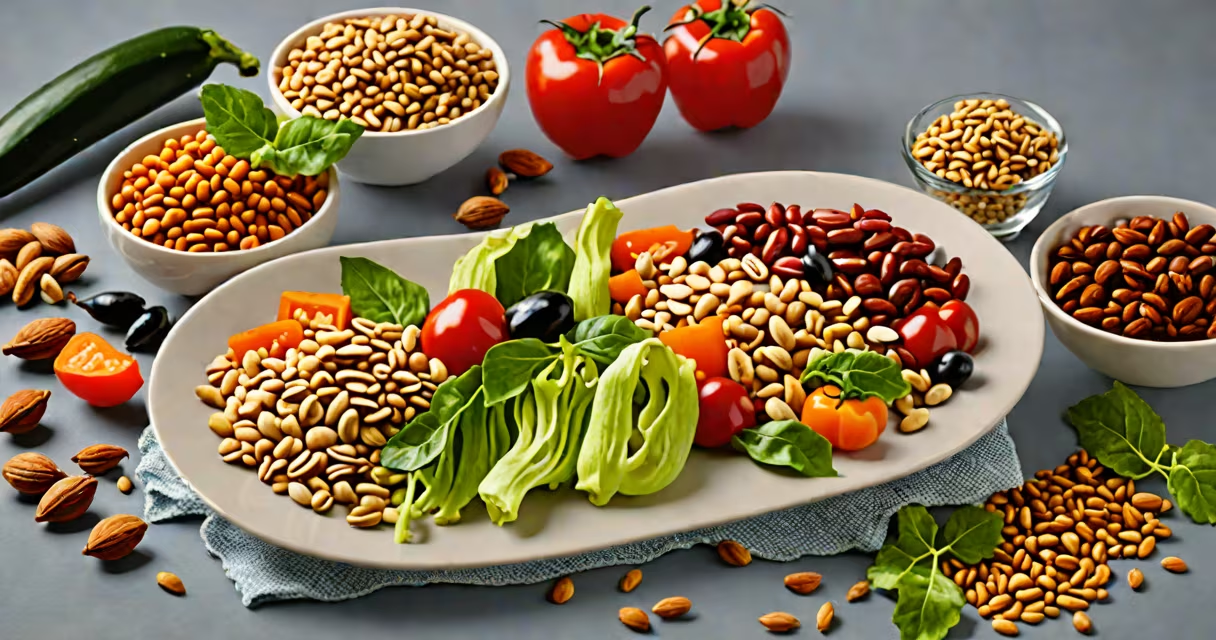
diverticulosis and diet restrictions refer to dietary strategies used to manage diverticulosis-a condition where small pouches form in the colon wall-by reducing inflammation and preventing complications like diverticulitis. These restrictions focus on increasing fiber intake, avoiding certain high-residue foods during flare-ups, and maintaining consistent bowel function.
Diverticulosis develops when weak spots in the colon lining bulge outward, forming small sacs called diverticula. Most people with diverticulosis have no symptoms. However, when these pouches become inflamed or infected, the condition progresses to diverticulitis, which requires medical treatment and often dietary adjustment. The primary goal of diet restrictions is to reduce pressure in the colon and prevent obstruction or infection.
According to the American Gastroenterological Association (AGA), high-fiber diets lower the risk of developing diverticulitis. A 2021 AGA guideline update confirms that patients with diverticulosis should consume 25-30 grams of dietary fiber daily. This recommendation contrasts with outdated advice that once advised avoiding nuts, seeds, and popcorn-now known to be safe and even beneficial.
The colon functions by moving waste through muscular contractions. When stool is hard or bulky due to low fiber, increased pressure builds inside the colon. Over time, this pressure causes the colon wall to weaken and form diverticula. High-fiber diets soften stool, reduce straining, and maintain regular bowel movements-key factors in preventing progression to diverticulitis.
During acute diverticulitis episodes, doctors may recommend a low-residue diet temporarily. This restricts foods that leave undigested material in the gut, such as raw vegetables, whole grains, and high-fiber fruits. The purpose is to rest the bowel and reduce irritation while antibiotics treat infection. Once symptoms resolve, patients return to a high-fiber diet.
A 2019 study published in Gastroenterology tracked over 45,000 men and women for 20 years. Those consuming the most fiber had a 40% lower risk of developing diverticulitis compared to those with the lowest intake. The protective effect was strongest for fiber from whole grains and legumes-not supplements.
Different phases of diverticulosis require different dietary strategies. The following table outlines the recommended food groups based on disease stage:
| Phase | Foods to Emphasize | Foods to Limit or Avoid |
|---|---|---|
| Prevention (asymptomatic) | Whole grains, legumes, cooked vegetables, fruits with skin (e.g., apples, pears), nuts, seeds | Processed meats, refined carbohydrates, fried foods, excessive red meat |
| Acute diverticulitis (flare-up) | Clear liquids, low-fiber cooked vegetables, white rice, boiled potatoes, lean protein (chicken, fish) | Nuts, seeds, popcorn, raw broccoli, high-fiber fruits, beans |
| Recovery and maintenance | Gradual reintroduction of fiber-rich foods; aim for 25-30g/day | High-fat processed snacks, alcohol, caffeine, spicy foods (if sensitive) |
For example, a patient experiencing left-sided abdominal pain, fever, and constipation may be diagnosed with uncomplicated diverticulitis. Treatment includes a 3-day clear liquid diet followed by a low-residue diet. After symptoms subside, they gradually reintroduce fiber-rich foods like lentils, oats, and steamed carrots.
One common misconception is that seeds and nuts cause blockages in diverticula. This myth originated from a 1970s study that lacked controlled variables. Modern research, including a 2016 cohort study in JAMA Internal Medicine, found no association between nut and seed consumption and diverticulitis recurrence. In fact, participants who ate nuts five or more times weekly had a 20% lower risk of hospitalization due to diverticulitis.
Many patients assume that all high-fiber foods must be avoided during flare-ups. This is incorrect. While raw or high-fiber vegetables should be limited during acute illness, cooked versions are acceptable. For instance, steamed carrots or mashed sweet potatoes are tolerated and provide essential nutrients.
Another confusion arises around the role of dairy. Some believe lactose intolerance worsens diverticulosis. However, evidence shows no direct link between dairy and diverticular disease. Patients with lactose intolerance can choose lactose-free milk or fermented dairy like yogurt, which supports gut microbiota balance.
I once observed a patient who avoided all legumes for six months after a diverticulitis episode. He reported worsening constipation and fatigue. Upon review, his fiber intake was below 10 grams per day. After reintroducing cooked lentils and chickpeas under medical supervision, his bowel movements normalized within two weeks. His case highlights the importance of balanced, evidence-based nutrition rather than fear-driven restriction.
Always seek guidance before making major dietary changes, especially if you have comorbid conditions like diabetes, kidney disease, or irritable bowel syndrome. Sudden increases in fiber can cause bloating or gas. Start slowly-add 5 grams of fiber per day until reaching the target.
If you experience persistent abdominal pain, blood in stool, or unexplained weight loss, see a gastroenterologist. These symptoms may indicate complications beyond diverticulosis, such as colorectal cancer or inflammatory bowel disease.
diverticulosis and diet restrictions are not one-size-fits-all. They evolve with your health status. Long-term success lies in consistent, high-fiber eating habits supported by clinical evidence-not fear-based avoidance. Stick to the science: eat more whole grains, legumes, fruits, and vegetables. Avoid processed foods and saturated fats. Your colon will thank you.