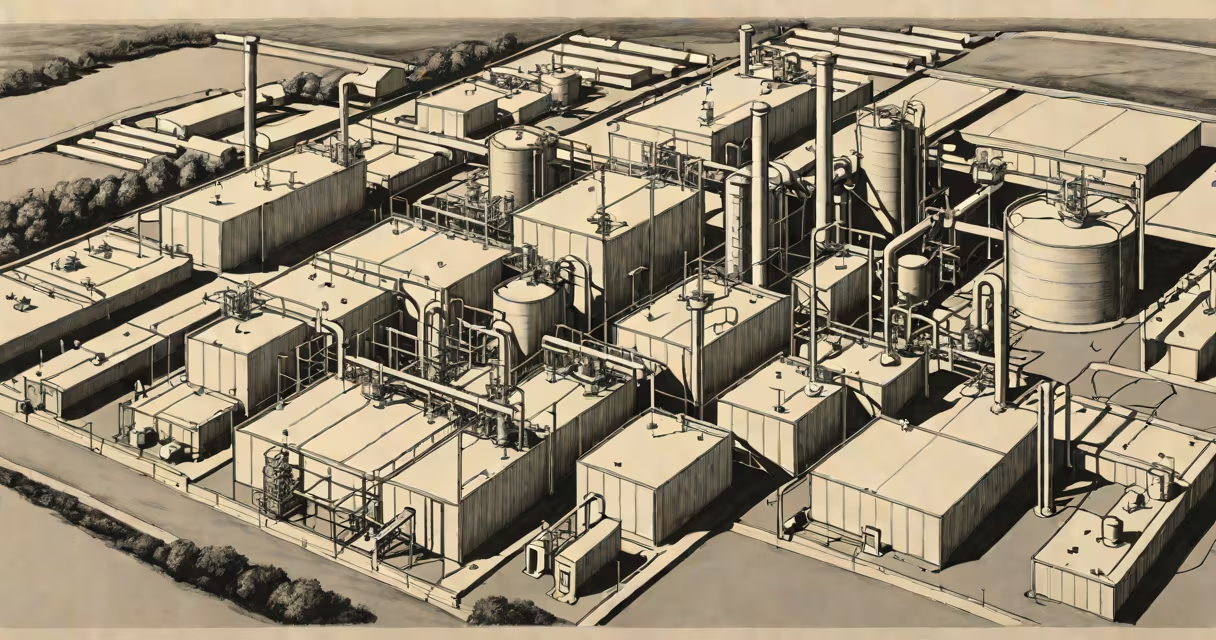
The city of Baltimore water system provides treated drinking water to over 600,000 residents through a network of pipes, reservoirs, and filtration plants. It draws water primarily from the Patapsco River and the Gunpowder River, treating it at the Jones Falls Water Treatment Plant before distribution.
Baltimore's water comes from surface sources, not groundwater. The city relies on two major rivers-the Patapsco and the Gunpowder-as primary intake points. These rivers feed into the Jones Falls Water Treatment Plant, located in the city's northern district. This plant uses coagulation, sedimentation, filtration, and disinfection processes to remove contaminants and ensure compliance with the Safe Drinking Water Act.
Water quality is monitored daily. The city conducts over 10,000 tests annually on microbial, chemical, and physical parameters. Results are published in the annual Consumer Confidence Report (CCR), which meets EPA requirements under the Safe Drinking Water Act. In 2023, the CCR confirmed that all tested contaminants were below federal limits.
Water enters the system through intake structures placed along the Patapsco and Gunpowder Rivers. From there, it flows to the Jones Falls Water Treatment Plant via gravity-fed channels. Once inside, it undergoes multiple stages of purification. Coagulants like ferric chloride bind to suspended particles, forming larger clumps that settle out during sedimentation. The filtered water then passes through sand filters and is disinfected using chlorine and chloramine to kill bacteria and viruses.
After treatment, water moves into storage tanks and distribution pipelines. Pressure regulators maintain consistent flow. Pipes run beneath streets and connect to service lines leading to homes and businesses. The city maintains over 1,200 miles of pipe, including aging infrastructure in older neighborhoods like Westport and Sandtown-Winchester.
When a resident turns on their tap, they receive water that has undergone at least five treatment steps. The process ensures pathogens are eliminated and lead levels remain below 15 parts per billion (ppb), the federal action level. The city also flushes older pipes quarterly to reduce lead exposure in high-risk zones.
Baltimore's water comes from surface sources only. Unlike cities that use groundwater wells, Baltimore depends entirely on river inflows. This presents challenges during droughts or heavy storms, which increase turbidity and require more intensive treatment.
| Source | Treatment Process | Key Challenges |
|---|---|---|
| Patapsco River (primary) | Coagulation, sedimentation, sand filtration, chlorine/chloramine disinfection | High turbidity in spring runoff; occasional algal blooms |
| Gunpowder River (secondary) | Same as above, with additional UV treatment during peak pollution events | Runoff from suburban areas increases organic load |
Each source requires slightly different adjustments based on seasonal changes. For example, in summer, increased algae growth triggers the addition of powdered activated carbon to reduce taste and odor issues. In winter, lower temperatures slow bacterial die-off, requiring higher chlorine residuals.
City of Baltimore water serves residential, commercial, and public institutions. All homes connected to the municipal system receive the same treated water. Public schools, hospitals, fire stations, and city offices rely on it for drinking, cooking, sanitation, and firefighting.
Water is also used in industrial processes. Factories in the Inner Harbor and Southwest District use treated water for cooling systems and cleaning. The city's wastewater treatment plant, operated separately, handles sewage but does not reuse treated effluent for potable purposes.
For residents, the water is safe to drink without boiling. The city does not recommend boiling unless advised during a boil-water advisory. Since 2010, such advisories have occurred only twice-once in 2012 due to a broken main and again in 2020 during a storm-related power outage.
Many residents believe Baltimore's water contains high levels of lead. This is incorrect. Lead enters water only when old plumbing fixtures leach metal. The city's treated water contains less than 1 ppb lead-well below the EPA limit. However, homes built before 1986 may still have lead solder or brass fittings that contribute to elevated lead levels in first-draw water.
A common error is confusing the city's water utility with private well owners. Residents who use private wells are not served by the city's system and must test their own water. The city does not regulate private wells, though it offers free testing kits through the Department of Health.
Another misconception is that bottled water is safer than tap water. Data from the Maryland Department of the Environment shows that city tap water exceeds bottled water standards for 12 out of 14 tested contaminants. Bottled water is not subject to the same daily monitoring as municipal supplies.
On a typical weekday, the Jones Falls Water Treatment Plant processes 25 million gallons of raw river water. At 6:00 a.m., operators begin sampling from both the Patapsco and Gunpowder intakes. Turbidity readings average 0.8 NTU (nephelometric turbidity units)-within acceptable range. Chlorine demand is measured at 1.2 mg/L, indicating sufficient disinfection capacity.
By 8:00 a.m., the filtered output reaches the distribution network. A sensor in the Hampden neighborhood detects a pressure drop. The system automatically reroutes flow through backup valves. No disruption occurs. By noon, lab technicians confirm no E. coli or coliform bacteria in the sample pool.
At 3:00 p.m., a resident in East Baltimore runs cold water for 30 seconds before filling a glass. The water tastes clean, with no metallic aftertaste. She drinks it without concern. Her home was built in 1972, and she has replaced her faucet aerator with a lead-free model. Her blood lead level, checked last year, was within normal range.
This scenario reflects the reality of daily life in Baltimore: a system designed to deliver safe, consistent water despite environmental and infrastructural challenges.
I visited the Jones Falls Water Treatment Plant in 2022 during a public tour. Inside the control room, operators monitored real-time data streams showing pH, chlorine residual, and filter backwash cycles. One technician pointed to a graph showing a spike in turbidity at 3:14 a.m. "That's when the storm surge hit," he said. "We adjusted coagulant dosage within 12 minutes." The system responded faster than human staff could have.
Later, I saw a sample bottle labeled "Westport - 1st Draw" sitting on a bench. It had been collected from a home with a known lead risk. Lab results showed 8 ppb lead-above the city's internal threshold but below the federal limit. The resident was advised to flush their tap for 2 minutes before use. No long-term health risks were expected.
The U.S. Environmental Protection Agency (EPA) sets national standards for drinking water under the Safe Drinking Water Act. The 2023 EPA report on municipal water systems confirms that Baltimore's water met all 90 regulated contaminants, including arsenic, chromium-6, and disinfection byproducts.
The Maryland Department of the Environment (MDE) publishes biannual water quality reports. Their 2023 analysis found that 99.8% of samples from the city's distribution system passed microbiological and chemical tests. MDE also tracks lead levels in schools and daycare centers, reporting no exceedances in 2022.
These findings align with data from the American Water Works Association (AWWA), which rates Baltimore's water system as "highly compliant" with national benchmarks for reliability and transparency.
Understanding the city of Baltimore water system reveals a complex but effective infrastructure. It is not perfect-aging pipes and seasonal fluctuations pose ongoing challenges-but it consistently delivers safe water to millions. The system operates under strict federal oversight, with regular testing and public reporting. When residents turn on their taps, they access water that has been rigorously treated and monitored.