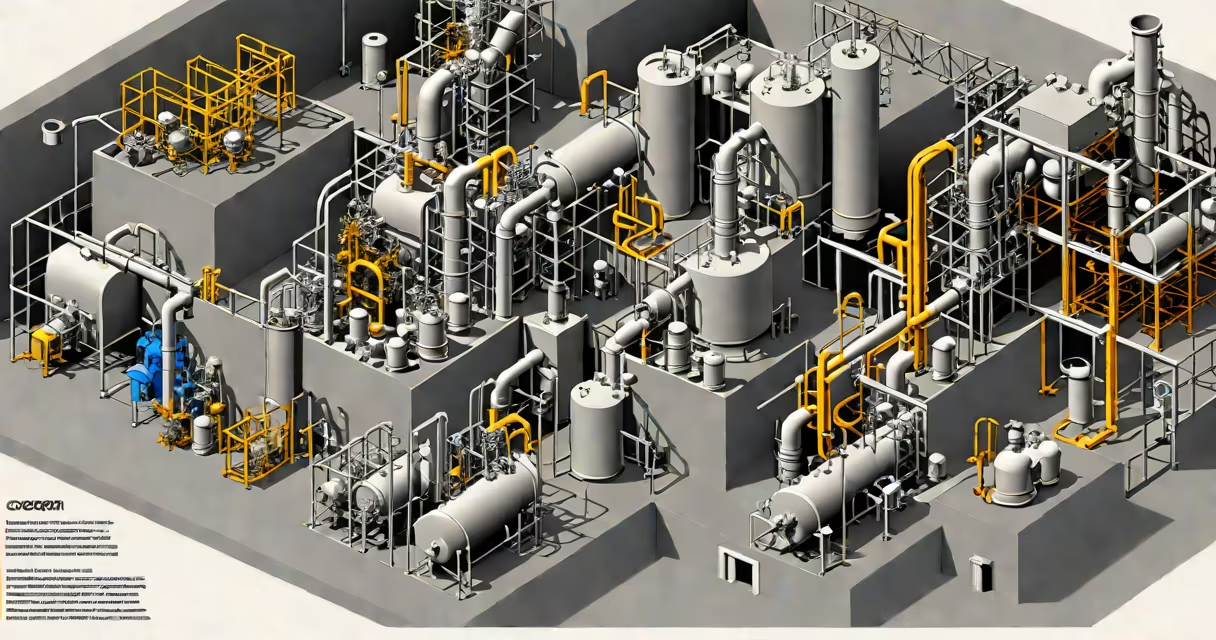
A cogen power plant, or combined heat and power (CHP) system, produces both electricity and usable thermal energy from a single fuel source. It captures waste heat from electricity generation and repurposes it for heating, cooling, or industrial processes, achieving efficiencies above 70%-far higher than conventional power plants.
Cogeneration operates on the principle that most power generation wastes 40-60% of input energy as heat. A cogen plant avoids this loss by using the exhaust heat for space heating, water heating, or industrial processes. This dual output makes it ideal for facilities with consistent thermal demand, such as factories, hospitals, and district heating networks.
The U.S. Department of Energy reports that widespread adoption of CHP could reduce national electricity consumption by 10% and cut CO₂ emissions by 80 million metric tons annually. The technology is not new-early versions date back to the 1880s-but modern systems achieve greater reliability and integration with renewable sources.
At its core, a cogen power plant uses a prime mover-typically a gas turbine, reciprocating engine, or microturbine-to generate electricity. Instead of releasing the exhaust heat into the atmosphere, the system routes it through a heat recovery steam generator (HRSG) or thermal exchanger. This heated fluid then powers a secondary process, such as heating buildings or driving absorption chillers for cooling.
For example, a food processing plant in Minnesota runs a 2.5 MW natural gas-fired cogen unit. The turbine generates electricity for lighting, refrigeration, and machinery. The exhaust heat, at 450°C, is captured and used to boil water for steam sterilization and maintain warehouse temperatures. This setup reduced the plant's annual energy bills by $210,000 and lowered its carbon footprint by 38% compared to separate power and heating systems.
Some systems integrate with renewable sources. A university campus in California pairs a 5 MW biogas-fueled cogen unit with solar arrays. During peak sunlight, excess solar power charges batteries. At night, the cogen plant supplies electricity and heats dormitories using waste heat from the engine. The system maintains 85% efficiency year-round.
Cogen systems vary by scale, fuel, and application. They fall into three primary categories based on size and function:
| Type | Capacity Range | Fuel Sources | Common Uses |
|---|---|---|---|
| Industrial CHP | 1-20 MW | Natural gas, biogas, biomass | Manufacturing, refineries, paper mills |
| District Heating CHP | 20-100 MW | Natural gas, waste heat from industry | Urban heating grids, large campuses |
| Small-Scale CHP | 1-5 kW | Natural gas, propane, solar hybrid | Commercial buildings, hotels, small factories |
Industrial applications dominate global deployment. The European Union reports that over 50% of CHP capacity is installed in manufacturing sectors. In Germany, over 1,200 industrial sites operate cogen units, reducing national fossil fuel dependency by 12% since 2010.
One overlooked advantage is grid resilience. During winter storms in New York State, a hospital powered by a 3.2 MW natural gas cogen system maintained critical operations when the external grid failed. The system ran continuously for 72 hours, supplying both electricity and hot water for patient care.
Many assume cogen plants are only viable for large facilities. In reality, modular systems now serve smaller users. A 2022 study by the National Renewable Energy Laboratory found that small-scale CHP units (under 100 kW) achieved payback periods under five years in commercial settings with high thermal loads.
Another error is equating cogen with renewable energy. While cogen can run on biomass or biogas, most units still rely on natural gas. The International Energy Agency notes that 78% of global CHP capacity uses fossil fuels. However, pairing cogen with green hydrogen or synthetic fuels is emerging as a low-carbon pathway.
Some confuse cogen with waste-to-energy plants. Waste-to-energy incinerates municipal solid waste to produce steam for turbines. While both recover energy, cogen focuses on simultaneous electricity and heat production from a single fuel stream. Waste-to-energy prioritizes waste disposal and may not provide usable heat.
In 2021, a pharmaceutical factory in New Jersey replaced its standalone boiler and diesel generator with a 4.5 MW natural gas cogen system. The plant required constant steam for sterilization and needed 24/7 power for cold storage. Before the upgrade, energy costs averaged $1.8 million annually.
The new cogen unit runs at 62% electrical efficiency and 38% thermal efficiency. Waste heat from the turbine drives a heat exchanger that supplies steam at 120°C. The system recovers 5.2 GWh of thermal energy yearly-enough to heat 1,200 homes. Annual savings reached $410,000, with a payback period of 5.4 years.
The plant reduced its annual CO₂ emissions by 18,000 metric tons-equivalent to removing 3,900 passenger vehicles from roads. The project qualified for a federal tax credit under the Inflation Reduction Act, covering 30% of installation costs.
Cogen power plants offer a practical path to energy independence and lower emissions. They improve energy security by reducing reliance on imported fuels and stabilizing local grids. The U.S. Environmental Protection Agency estimates that replacing 10% of conventional power plants with cogen systems could avoid 45 million tons of CO₂ annually.
As climate goals tighten, cogen systems are being retrofitted with carbon capture technology. Pilot projects in Texas and Ontario are testing post-combustion CO₂ removal from cogen exhaust streams, aiming to achieve near-zero emissions in industrial zones.
Understanding what is a cogen power plant reveals a useful tool for sustainability. It's not a futuristic concept-it's operational today in factories, campuses, and cities worldwide. For those exploring alternatives to traditional energy systems, a cogen power plant delivers measurable efficiency gains and cost savings.