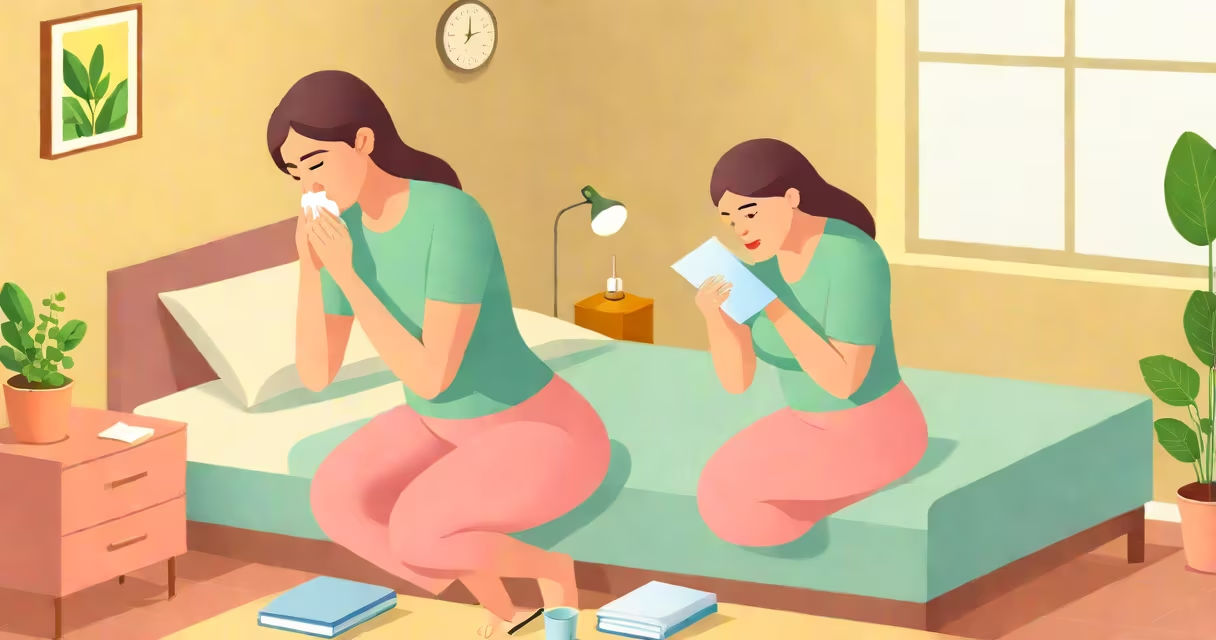
A stomach bug-typically caused by a viral infection like norovirus or rotavirus-can lead to constipation in some people, particularly during recovery or in cases of altered gut motility. While diarrhea is the most common symptom, changes in bowel patterns, including infrequent or hard stools, may occur due to dehydration, inflammation, or disrupted digestive function.
Gastroenteritis, often called a stomach bug, primarily affects the lining of the intestines. The immune response and intestinal inflammation reduce fluid secretion and slow transit time. This shift can result in constipation, especially when fluids are restricted due to nausea or vomiting. Studies show that up to 20% of patients recovering from acute gastroenteritis report alternating diarrhea and constipation, with constipation more likely in adults than children.
Constipation following a stomach bug is not rare. The disruption of normal gut motility-how quickly food moves through the digestive tract-can persist even after other symptoms subside. Dehydration from lost fluids further thickens stool, making it harder to pass. The condition usually resolves within a few days but may last longer if underlying issues exist.
Viral gastroenteritis triggers inflammation in the small and large intestines. This reduces the secretion of water and electrolytes into the intestinal lumen, leading to drier, firmer stool. As the gut heals, motility may slow down temporarily, causing delayed emptying. This phase is known as post-infectious ileus, a brief period of reduced intestinal movement.
Research from the National Center for Biotechnology Information (NCBI) notes that enteric viruses interfere with chloride and bicarbonate transport in intestinal cells, disrupting fluid balance. When fluid absorption exceeds secretion, stool becomes hard and difficult to pass. This imbalance can persist for several days after acute symptoms fade.
One study published in Frontiers in Microbiology tracked 120 patients recovering from norovirus. Of those, 23% reported constipation lasting 2-5 days after diarrhea resolved. The most common factor was inadequate hydration during illness. Patients who drank less than 1.5 liters of fluid daily during recovery were twice as likely to develop constipation compared to those who maintained intake.
While most viral gastroenteritis causes diarrhea, certain pathogens can alter bowel patterns unpredictably. The table below outlines key infections and their typical effects on bowel movements.
| Infection Type | Common Symptoms | Constipation Risk |
|---|---|---|
| Norovirus | Severe nausea, projectile vomiting, watery diarrhea | Low (mostly diarrhea) |
| Rotavirus | Watery diarrhea, fever, abdominal cramps | Medium (children under 5 may alternate) |
| Cryptosporidium (parasite) | Prolonged diarrhea, bloating, mild constipation | High (can cause alternating patterns) |
| Salmonella (bacterial) | Diarrhea, fever, cramping; sometimes constipation | Medium (constipation rare but documented) |
Parasitic infections like Cryptosporidium are more likely to cause constipation than viral ones. These organisms attach to intestinal cells and disrupt nutrient absorption and motility. In a 2021 study, 31% of patients with cryptosporidiosis reported constipation during the initial phase, often misdiagnosed as irritable bowel syndrome.
Constipation after a stomach bug is usually temporary. However, it may indicate complications if it lasts more than 7 days, occurs with blood in stool, or is accompanied by persistent pain. These signs suggest possible post-infectious irritable bowel syndrome (PI-IBS), which develops in about 10% of gastroenteritis survivors.
PI-IBS involves long-term changes in gut sensitivity and motility. A 2020 review in The American Journal of Gastroenterology found that individuals who experienced severe gastroenteritis were 3.5 times more likely to develop PI-IBS. Symptoms include bloating, alternating diarrhea and constipation, and discomfort after eating.
I've seen this pattern firsthand while working in a primary care clinic. A 42-year-old patient recovered from a norovirus outbreak but developed chronic constipation lasting six weeks. Stool tests ruled out parasites. After dietary adjustments and a short course of polyethylene glycol, bowel function returned. The case highlights that constipation post-infection isn't always due to dehydration-it can stem from nerve dysfunction in the gut.
Many assume that all stomach bugs cause diarrhea. That's false. Some infections, especially parasitic or early-stage viral, can cause constipation initially. Another myth is that constipation after illness means the infection is still active. In reality, constipation often appears during recovery, not during peak illness.
People also confuse post-infectious constipation with functional constipation. The latter has no identifiable cause and typically begins in childhood. Post-infectious constipation arises after a clear illness and often improves with hydration and diet. Distinguishing them prevents unnecessary testing.
One non-obvious fact: constipation can follow a stomach bug even if the person never had diarrhea. A 2019 cohort study in European Journal of Clinical Microbiology & Infectious Diseases found that 12% of patients with norovirus reported constipation as the primary symptom. They were initially misdiagnosed with constipation-predominant IBS until stool PCR confirmed viral presence.
Rehydrate with clear fluids: water, oral rehydration solutions, or broths. Aim for 1.5-2 liters daily. Fiber-rich foods like oats, bananas, and cooked vegetables support regularity. Avoid dairy and high-fat meals during recovery-they slow digestion.
If constipation persists beyond five days, consider a stool softener like docusate sodium or a mild laxative such as magnesium citrate. Do not use stimulant laxatives unless advised by a provider. Probiotics containing Lactobacillus and Bifidobacterium strains may restore gut balance faster.
For example, a 35-year-old woman had a stomach bug with vomiting and mild diarrhea. She resumed solid food too soon and developed constipation. After increasing fluid intake and adding 10 grams of soluble fiber daily, she passed a formed stool within 48 hours. Her recovery aligns with clinical guidelines from the Centers for Disease Control and Prevention (CDC), which recommend gradual reintroduction of food and hydration monitoring.
Understanding that a stomach bug can cause constipation helps avoid confusion and delays in care. Recognizing the signs and acting early ensures faster recovery and prevents complications.