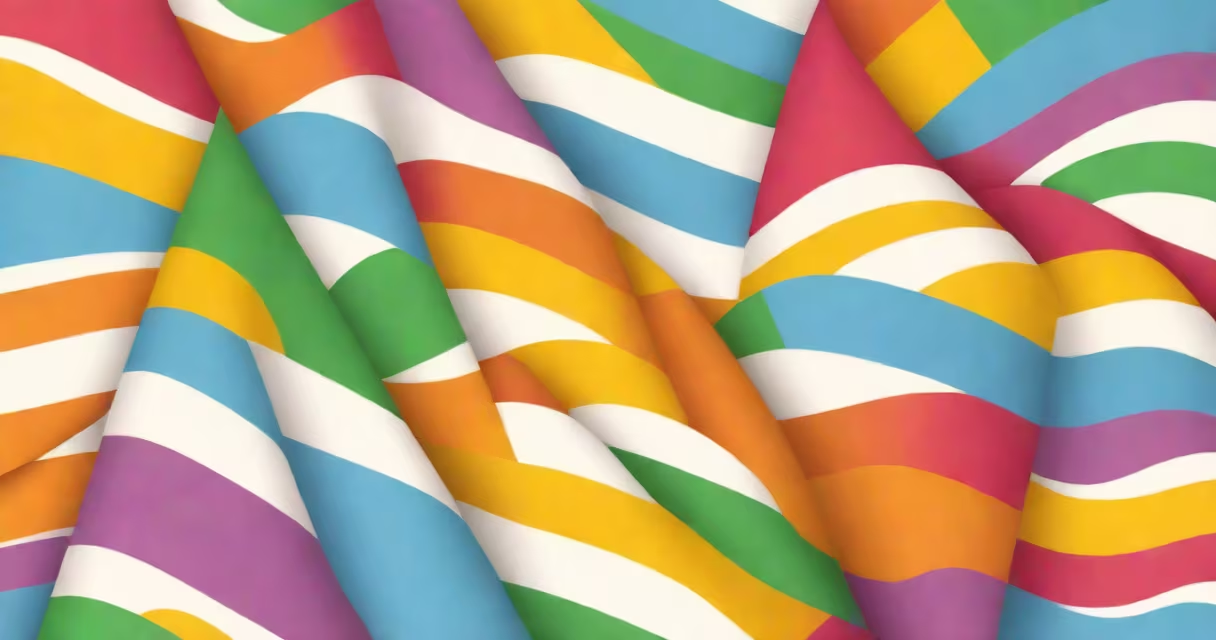
The cute pride flag is a stylized, simplified version of LGBTQ+ pride symbolism designed with soft lines, pastel colors, and whimsical aesthetics. It emphasizes inclusivity and personal expression while maintaining recognizable elements from traditional pride flags.
These flags are not official symbols recognized by LGBTQ+ organizations but are widely shared online and used in merchandise. They often feature rounded corners, gradient fills, and minimal detail compared to standard pride flag designs. The term "cute" reflects their visual style rather than a formal classification.
While the original rainbow flag remains the most widely recognized symbol of LGBTQ+ pride, the cute pride flag emerged in digital spaces around 2015-2017, gaining traction through social media platforms like Instagram, TikTok, and Pinterest. Its popularity stems from accessibility and emotional resonance among younger audiences.
Cute pride flags function as visual identifiers of LGBTQ+ identity, much like traditional pride flags. However, they prioritize aesthetic appeal over symbolic precision. Their design choices-such as softer color blends, simplified shapes, and playful fonts-are intended to feel welcoming and less confrontational than standard flags.
They are typically created using digital illustration tools like Adobe Illustrator, Procreate, or Canva. Designers adjust hue saturation and brightness to achieve a pastel look, avoiding stark contrasts common in official flags. Some versions incorporate hearts, stars, or other decorative motifs to improve the "cute" effect.
Despite their informal nature, these flags serve a meaningful role in community visibility. They appear on phone cases, stickers, tote bags, and profile pictures. Their presence signals solidarity in low-stakes environments-like messaging apps or school projects-where users may avoid more explicit symbols due to safety concerns or social context.
There's no single standard for cute pride flags. Instead, multiple styles exist based on platform norms, regional preferences, and individual creativity. The following table outlines common categories:
| Type | Color Scheme | Common Use | Origin/Platform |
|---|---|---|---|
| Pastel Rainbow | Light pink, lavender, blue, green, yellow, orange | Social media avatars, stickers | Instagram, Tumblr |
| Flat-Style Minimalist | Single solid color per stripe, no gradients | Print-on-demand products, tattoos | Reddit, Etsy |
| Animated/Celebratory | Glitter effects, bouncing motion, confetti overlays | TikTok videos, event promotions | TikTok, YouTube Shorts |
| Character-Inspired | Flag integrated into animal or fantasy character design | Fan art, merch, gaming avatars | DeviantArt, Discord |
Each variant adapts the core idea of LGBTQ+ pride into formats that feel approachable and expressive. For example, a flat-style minimalist flag might use muted tones to reduce visual intensity, making it suitable for office environments or conservative schools.
Cute pride flags are frequently seen in youth-led activism, online communities, and educational settings. They're especially popular among Gen Z and younger millennials who value both authenticity and self-expression. According to a 2022 Pew Research Center survey, 67% of LGBTQ+ individuals aged 18-29 reported using digital icons or stylized symbols to represent their identity online.
One notable example occurred during the 2023 Pride Month campaign on TikTok, where users shared videos wearing custom "cute pride flag" pins. The hashtag #CutePrideFlag garnered over 4.2 million views, with many creators combining the flag with affirmations like "I exist, I belong." This usage highlights how the flag functions not just as decoration but as a tool for affirmation and belonging.
Unlike official flags, which carry specific historical meanings tied to events like the 1978 San Francisco Gay Freedom Day Parade, cute pride flags lack standardized interpretations. Their meaning is context-dependent and often shaped by the creator's intent. A user might choose a pastel version to signal gender nonconformity, while another uses a character-based design to express trans identity.
Many assume that cute pride flags replace or challenge traditional LGBTQ+ symbols. This is incorrect. They coexist alongside official flags and serve different purposes. Traditional flags are rooted in political history and collective memory. Cute pride flags focus on personal identity and emotional connection.
A key distinction lies in recognition. The Human Rights Campaign notes that the original rainbow flag was designed by Gilbert Baker in 1978 and has since become a globally recognized emblem of LGBTQ+ rights. In contrast, cute pride flags are not formally acknowledged by advocacy groups such as GLAAD or the National LGBTQ Task Force. Using them in formal contexts-like protests or policy meetings-can risk miscommunication or erasure of established symbols.
Another misconception is that all cute pride flags are gender-neutral or non-binary. While many do emphasize inclusivity, others reflect specific identities. For instance, a flag with a purple stripe and a star may reference pansexuality, while a black-and-white version with a heart might represent asexuality. Designers often embed subtle cues that only those familiar with LGBTQ+ symbolism will recognize.
In 2021, I attended a local Pride festival where a high school student sold handmade pins featuring a cute pride flag with a smiling rainbow cat. The design was inspired by internet art trends. When asked about the choice, the student said, "I wanted something that felt safe to wear at school." That moment underscored how these flags bridge visibility and comfort-offering a way to claim identity without inviting scrutiny.
Understanding the difference between cute pride flags and official LGBTQ+ symbols prevents misuse. Official flags follow documented color meanings and historical significance. Cute versions do not. For example:
Using a cute flag in place of an official one during a protest or public speech risks undermining the message. The original flag represents decades of struggle and sacrifice. The cute version is a creative reinterpretation-not a substitute.