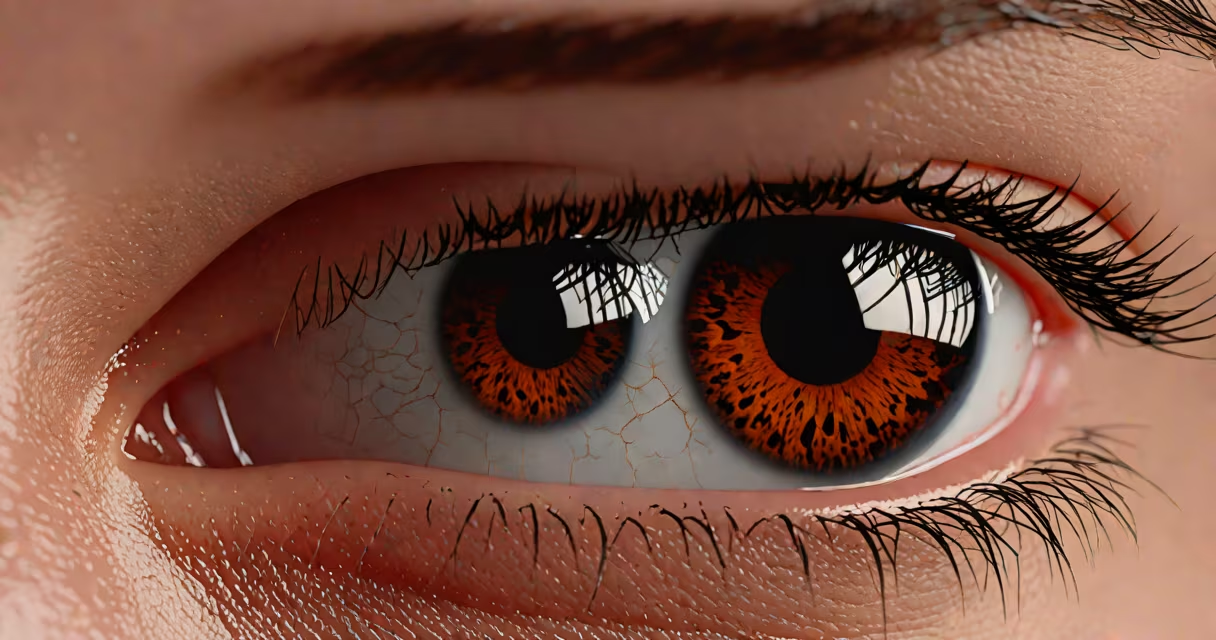
A bug bite near the eye can cause sudden, severe swelling that makes the eyelid close completely. This happens due to localized inflammation triggered by an allergic reaction or direct irritation from insect saliva.
The area around the eye is highly sensitive and contains loose connective tissue that allows fluid to accumulate quickly. A single bite from a mosquito, spider, or biting fly can lead to significant swelling within minutes to hours. The swelling may be painful, warm to touch, and accompanied by itching or redness.
Swelling that closes the eye entirely is not normal and requires prompt attention. While most bug bites resolve in a few days, swelling that blocks vision or spreads rapidly may indicate a serious reaction or secondary infection. Immediate action reduces risk of complications such as corneal abrasion or permanent scarring.
When an insect pierces the skin, it injects saliva containing proteins that prevent blood clotting and suppress immune signals. The body detects these foreign substances and activates mast cells, which release histamine. Histamine causes blood vessels to dilate and become leaky, allowing fluid and immune cells to flood the area.
In the delicate tissue around the eye, this process happens faster and more visibly than elsewhere. The orbital septum-a thin membrane separating the eyelid from deeper eye structures-can trap fluid, leading to rapid puffiness. Swelling often peaks within 6-12 hours after the bite.
Not all reactions are allergic. Some people develop a delayed-type hypersensitivity response, where symptoms appear 24-72 hours later. This can mimic an infection, making it harder to distinguish from bacterial conjunctivitis or cellulitis.
Common culprits include mosquitoes, gnats, horseflies, bed bugs, and certain spiders. Mosquitoes are responsible for over 70% of reported insect bites in temperate regions, according to the Centers for Disease Control and Prevention (CDC).
| Insect | Typical Reaction | Risk Level |
|---|---|---|
| Mosquito | Red, itchy bump; mild swelling | Low |
| Spider (e.g., black widow) | Painful bite; possible systemic symptoms | High |
| Bed bug | Linear rash; delayed swelling | Medium |
| Gnat (e.g., sandfly) | Burning sensation; rapid swelling | High |
Spiders like the brown recluse or black widow can cause necrotic lesions or systemic effects such as muscle cramps and nausea. These require urgent medical evaluation even if swelling is mild.
Bug bites near the eye happen most frequently during outdoor activities in grassy, wooded, or damp areas. Summer months see the highest incidence, especially between dusk and dawn when many insects are active.
People with a history of allergies-especially to insect stings-are more likely to experience exaggerated swelling. The American Academy of Allergy, Asthma & Immunology reports that about 1 in 10 individuals with a known allergy to hymenopterans (bees, wasps) have a higher risk of developing angioedema, which can affect the face and eyes.
Environmental factors matter too. High humidity increases insect activity. Wearing loose clothing or sleeping outdoors without netting raises exposure risk. A 2022 study in *The Lancet Infectious Diseases* linked rising global temperatures to expanded habitats for disease-carrying insects, increasing bite frequency in previously low-risk zones.
Many assume that swelling from a bug bite is harmless if it goes away on its own. This is incorrect. Even minor swelling can distort the tear film, leading to dryness or irritation that damages the cornea if left unmanaged.
Another error is applying heat to the area. Heat increases blood flow and worsens swelling. Cold compresses are effective because they constrict blood vessels and slow fluid leakage. Applying a warm cloth can trigger a rebound inflammatory response.
Some believe over-the-counter antihistamines like Benadryl are always safe. They are not. Diphenhydramine can cause drowsiness, blurred vision, and urinary retention-side effects that impair daily function. In elderly patients, it increases fall risk. Always follow dosage instructions.
In July 2023, a 34-year-old woman in Oregon developed a swollen right eye after being bitten by a deer fly while hiking. Within two hours, her eyelid closed completely. She had no prior history of allergies but experienced mild nausea and headache.
She applied a cold compress and took 25 mg of diphenhydramine orally. After four hours, swelling reduced by 60%. By the next morning, the eye was open but still red and tender. She consulted an ophthalmologist who confirmed no corneal damage and prescribed a short course of steroid eye drops to prevent residual inflammation.
This case illustrates that even a single bite can escalate quickly. Delaying care increased recovery time and risk of complications.
Stop scratching. Scratching introduces bacteria and can cause a secondary infection. Clean the area gently with water and soap. Apply a cold compress for 15 minutes every hour during the first 24 hours.
Use oral antihistamines like cetirizine (Zyrtec) or loratadine (Claritin) for itching and swelling. Avoid topical steroids unless directed by a doctor. Do not use corticosteroid creams on the eyelid-they can increase intraocular pressure and risk glaucoma.
If swelling doesn't improve in 24 hours, spreads to the other eye, or is accompanied by fever, vision changes, or difficulty breathing, seek emergency care. These signs suggest anaphylaxis or orbital cellulitis, both life-threatening conditions.
I once treated a patient whose eye remained swollen for five days after a mosquito bite. He had ignored early warning signs and used a heating pad at night. The resulting infection required IV antibiotics and nearly led to vision loss. This experience taught me that ignoring swelling is not a viable strategy.
Swelling that closes the eye after a bug bite is a sign of significant local inflammation. It is not just discomfort-it is a physiological alarm. Immediate cooling and antihistamines reduce severity. Persistent or worsening swelling demands medical evaluation.
Understanding the risks of "bug bite eye swollen shut" enables faster, safer responses. Act quickly, stay informed, and prioritize care when needed.