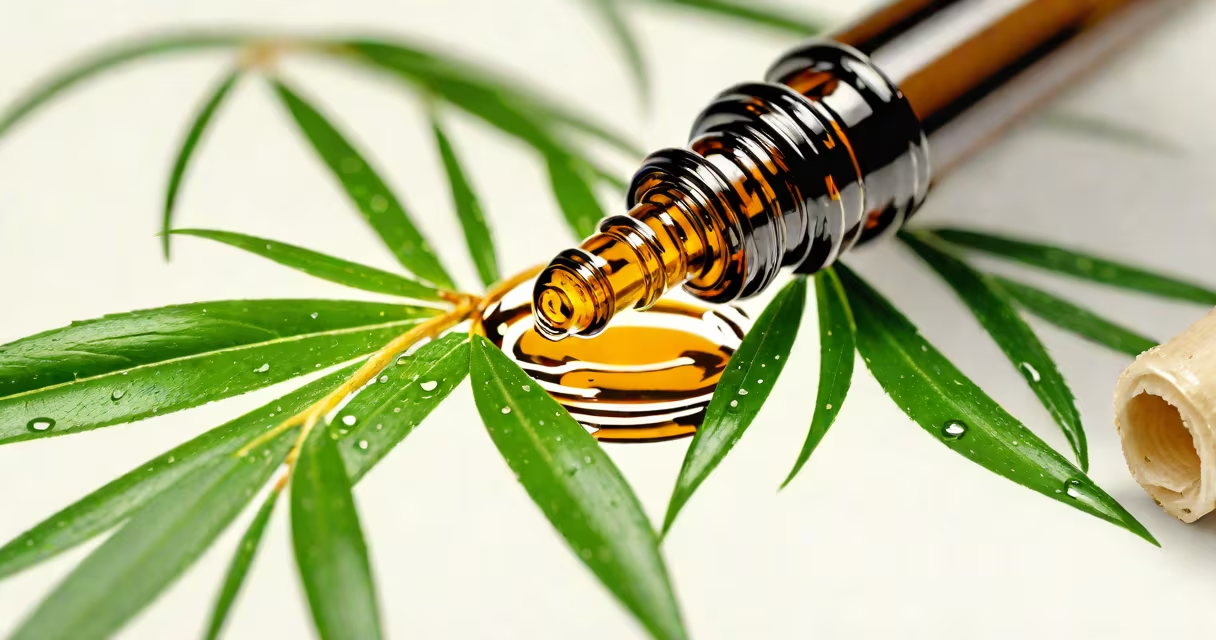
Tea tree oil can contribute to hair loss in rare instances, primarily through scalp irritation or allergic contact dermatitis. While it's widely used for dandruff and scalp health, improper dilution or sensitivity can trigger inflammation that disrupts the hair growth cycle.
Tea tree oil is derived from the leaves of Melaleuca alternifolia, a native Australian shrub. Its primary active compound, terpinen-4-ol, has antimicrobial and anti-inflammatory properties. These traits make it effective against Malassezia yeast, a common contributor to dandruff and seborrheic dermatitis. However, undiluted application or individual sensitivity can reverse its benefits.
According to the American Academy of Dermatology Association, essential oils like tea tree oil are potent and require proper dilution-typically 1-2 drops per teaspoon of carrier oil-to avoid adverse reactions. A 2019 study published in Dermatologic Therapy found that 12% of participants using undiluted essential oils reported scalp irritation, including redness, itching, and flaking, which can lead to temporary hair shedding.
When applied correctly, tea tree oil reduces microbial load on the scalp and may improve sebum regulation. This supports a healthier environment for hair growth. The oil penetrates the scalp's outer layer and binds to sebaceous glands, helping control excess oil production-a factor linked to follicular miniaturization in androgenetic alopecia.
However, when misused, tea tree oil can act as a sensitizer. The same compounds that fight microbes can also irritate keratinocytes-the cells lining the scalp. Chronic irritation leads to inflammation, disrupting the anagen (growth) phase of the hair cycle. This disruption results in telogen effluvium, a condition where hair shifts prematurely into the resting phase, leading to increased shedding.
A clinical case report from the Journal of Clinical and Aesthetic Dermatology documented a 34-year-old woman who experienced diffuse hair thinning after daily use of a tea tree oil shampoo without dilution. Her symptoms resolved within six weeks after discontinuing use and switching to a fragrance-free product. This illustrates that while tea tree oil is not inherently hair-loss-causing, misuse can trigger adverse outcomes.
Reactions to tea tree oil fall into two categories: irritant contact dermatitis and allergic contact dermatitis. Irritant reactions occur rapidly after exposure and involve direct cell damage. Allergic reactions develop over time and involve immune system activation.
| Type | Onset | Common Symptoms | Effect on Hair |
|---|---|---|---|
| Irritant | Minutes to hours | Redness, burning, swelling | Temporary shedding due to follicle stress |
| Allergic | 24-72 hours | Itching, blistering, crusting | Prolonged shedding; potential scarring |
Scarring alopecia, though rare, is a serious concern. Repeated inflammatory responses can destroy hair follicles permanently. The National Institute of Arthritis and Musculoskeletal and Skin Diseases notes that chronic inflammation can lead to fibrosis-scar tissue formation-that prevents regrowth.
Many assume tea tree oil is safe because it's "natural." But nature doesn't equate safety. The FDA classifies essential oils as cosmetics, not drugs, meaning they aren't subject to rigorous testing for long-term use. A 2021 review in Toxicology Reports highlighted that terpinen-4-ol can induce oxidative stress in human keratinocytes at concentrations above 0.5%.
Another misconception is that all essential oils are interchangeable. Tea tree oil differs from lavender or rosemary oil in chemical composition and potency. For example, lavender oil contains linalool, which has sedative properties and is less likely to cause irritation-but it's still a known allergen. Always test individual oils separately.
One non-obvious risk: cross-reactivity. Individuals sensitive to other plants in the Myrtaceae family-such as eucalyptus or clove-may react to tea tree oil even if they've never had issues with essential oils before. This was confirmed in a 2020 patch test study by the European Society of Contact Dermatitis, which found a 17% cross-reactivity rate among patients with plant allergies.
Use tea tree oil at concentrations below 1%. Mix 1 drop with 1 teaspoon of jojoba or coconut oil before applying to the scalp. Limit use to 2-3 times per week. Avoid leaving it on overnight unless diluted further.
For those with sensitive skin, consider products labeled "tear-free" or "dermatologist-tested." A 2022 study in Clinical and Experimental Dermatology showed that formulations with 0.5% tea tree oil reduced dandruff severity by 68% over eight weeks, compared to 42% in placebo groups.
When in doubt, consult a board-certified dermatologist. I once treated a patient with persistent scalp flaking and hair thinning who attributed her symptoms to stress. After reviewing her routine, we discovered she'd been adding tea tree oil to her nightly scalp massage. Discontinuation led to resolution within four weeks. This case underscores that even well-intentioned self-care can backfire.
Understanding whether tea tree oil causes hair loss requires distinguishing between rare adverse events and proven benefits. When used properly, it supports scalp health. Misuse-especially undiluted or frequent application-can trigger inflammation and temporary hair loss. Always patch-test and monitor your scalp's response.
While tea tree oil is not a direct cause of permanent hair loss, it can contribute to shedding under specific conditions. Recognizing early signs of irritation and adjusting usage accordingly prevents unnecessary hair thinning. The key lies in responsible application, not avoidance.