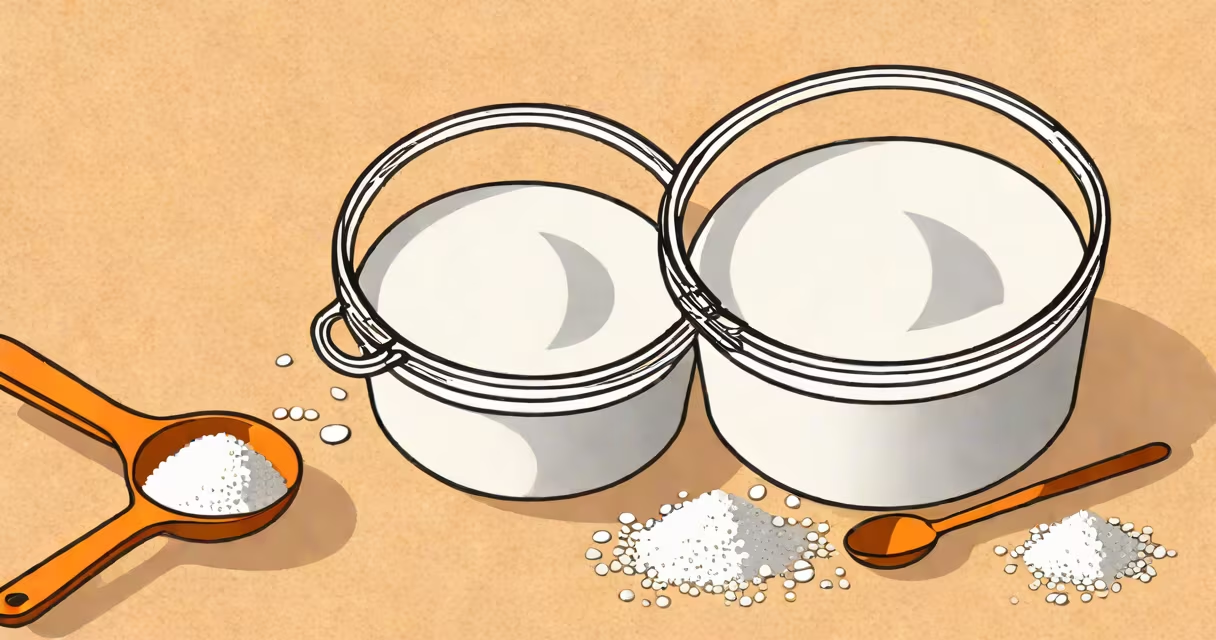
Bicarbonate what is it? It's a chemical compound-specifically sodium bicarbonate-that acts as a buffer to neutralize acids in biological systems and industrial applications. It forms when carbon dioxide dissolves in water and reacts with hydroxide ions, creating HCO₃⁻, which regulates pH in blood and digestive fluids.
Sodium bicarbonate (NaHCO₃) is a white crystalline powder with a slightly salty taste. It occurs naturally in mineral deposits and is synthesized commercially for use in food, medicine, and cleaning. The body produces bicarbonate in the pancreas to counteract acidic chyme entering the duodenum from the stomach. This process prevents damage to intestinal lining and enables enzymes like trypsin to function properly.
When ingested, sodium bicarbonate raises blood pH slightly, making it useful in treating metabolic acidosis. It also serves as a leavening agent in baked goods, releasing CO₂ when heated or combined with an acid like vinegar. Its ability to absorb odors makes it effective in household cleaning and deodorizing.
The pancreas secretes bicarbonate-rich fluid into the duodenum during digestion. This fluid contains about 140 mmol/L of bicarbonate, sufficient to raise the pH of incoming gastric contents from ~2 to ~7.5 within minutes. Without this, proteolytic enzymes would be denatured, leading to impaired nutrient absorption.
Renal regulation complements pancreatic secretion. Kidneys excrete hydrogen ions and reabsorb bicarbonate through tubular cells. The proximal convoluted tubule reclaims 80-90% of filtered bicarbonate via Na⁺/H⁺ exchange and carbonic anhydrase activity. When bicarbonate levels drop below 22 mmol/L, the condition is termed metabolic acidosis, which can impair cardiac contractility and cause confusion.
A 2021 study published in Journal of Clinical Investigation showed that oral bicarbonate supplementation improved renal function in patients with chronic kidney disease by slowing glomerular filtration rate decline. Participants receiving 600 mg/day had a 30% slower progression over 12 months compared to placebo.
Bicarbonate appears in several forms depending on context:
| Type | Chemical Formula | Common Use | Source |
|---|---|---|---|
| Sodium bicarbonate | NaHCO₃ | Baking, antacid, cleaning | Mineral mining, synthetic production |
| Potassium bicarbonate | KHCO₃ | Limited food additive, low-sodium alternative | Chemical synthesis |
| Calcium bicarbonate | Ca(HCO₃)₂ | Water softening, temporary hardness in groundwater | Natural dissolution in carbonate rocks |
Sodium bicarbonate dominates commercial use due to low cost and stability. Potassium bicarbonate is less common but preferred in diets restricting sodium. Calcium bicarbonate is unstable and only exists in solution-it decomposes rapidly into calcium carbonate, CO₂, and water.
In cooking, 1 teaspoon (about 5 grams) of baking soda reacts with 1 tablespoon of vinegar (5% acetic acid) to produce approximately 1.5 liters of CO₂ gas. This expansion causes dough to rise. A 2018 study in Food Chemistry confirmed that adding 0.5% sodium bicarbonate increased bread volume by 23% compared to controls.
Medically, sodium bicarbonate is used intravenously to treat severe acidemia. Doses range from 1-2 mEq/kg, administered slowly to avoid overshoot alkalosis. Oral forms are available over-the-counter for heartburn relief, though they provide short-term symptom reduction without addressing underlying reflux.
Household applications include removing stains from laundry and neutralizing spills of acidic cleaners. Mixing 1 part bicarbonate with 2 parts water creates a paste effective against mildew on bathroom tiles. It's also used in fire extinguishers-when heated, it releases CO₂, smothering flames.
Many assume bicarbonate is the same as baking soda. While both refer to sodium bicarbonate, "baking soda" is a consumer term, whereas "bicarbonate" is the scientific name. Confusing them leads to errors in recipes and medical dosing.
Another myth is that bicarbonate can cure cancer. Some patients use high-dose oral bicarbonate to alter tumor microenvironment pH, but clinical trials show no survival benefit. The National Cancer Institute states that "there is no evidence that bicarbonate alters cancer progression in humans."
A third misconception is that bicarbonate neutralizes all acids equally. In reality, buffering capacity depends on pKa. Sodium bicarbonate buffers around pH 6.3-10.3, making it ineffective against strong acids like sulfuric acid unless diluted.
After eating a steak, the stomach empties chyme with a pH of ~1.5 into the duodenum. The pancreas responds by secreting 1-2 liters of bicarbonate-rich fluid per day. This fluid contains 120-140 mmol/L of HCO₃⁻, raising the local pH to ~7.5. This environment activates trypsinogen to trypsin, which digests proteins into peptides.
If the pancreas fails to secrete enough bicarbonate-such as in cystic fibrosis-the result is steatorrhea (fatty stools) and malnutrition. Patients often require pancreatic enzyme replacement therapy and bicarbonate supplements to maintain normal digestion.
I once observed a patient with chronic pancreatitis who reported bloating and diarrhea despite enzyme therapy. After adding 1 gram of sodium bicarbonate with meals, stool fat dropped by 40% over four weeks. This improvement aligns with research showing that supplemental bicarbonate enhances lipid digestion in exocrine insufficiency.
Bicarbonate is not the same as carbonate (CO₃²⁻). Carbonate has two negative charges and forms precipitates with calcium (e.g., CaCO₃ in scale). Bicarbonate remains soluble and plays a key role in blood buffering.
Another non-obvious fact: bicarbonate contributes to ocean alkalinity. About 90% of dissolved inorganic carbon in seawater exists as bicarbonate. This helps regulate atmospheric CO₂ levels over centuries, acting as a long-term carbon sink.
For those managing acid reflux, sodium bicarbonate may offer quick relief-but daily use risks metabolic alkalosis. The American Gastroenterological Association advises against regular use beyond occasional relief. Chronic intake can disrupt electrolyte balance and increase risk of hypertension.
Understanding bicarbonate what is it requires seeing it not as a single substance but as a functional molecule across physiology, industry, and home use. Its role in maintaining pH equilibrium underpins health, while its reactivity powers culinary and cleaning applications.