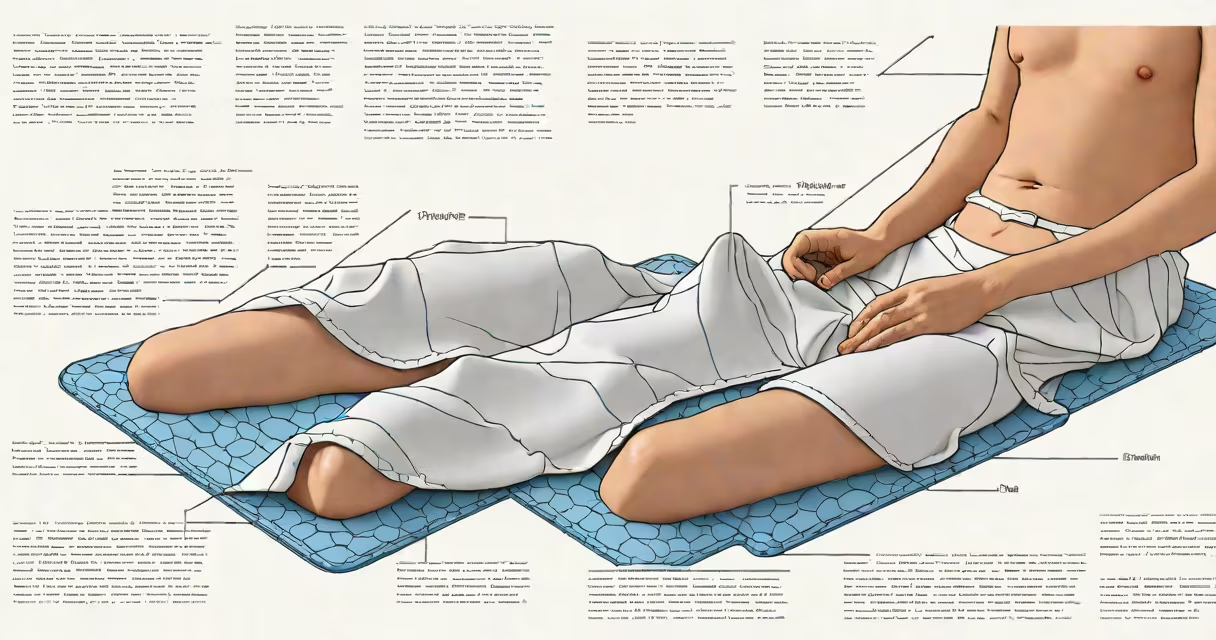
A heating pad may reduce bloating by relaxing tense abdominal muscles and increasing blood flow to the digestive tract. Applying warm compresses to the lower belly can ease gas pressure and improve gut motility, especially when bloating stems from cramping or mild constipation.
Bloating often results from trapped gas, slow digestion, or muscle spasms in the intestines. Heat therapy doesn't eliminate the root cause-like food intolerances or irritable bowel syndrome-but it can relieve symptoms by calming nerve signals and reducing muscle tension. Clinical evidence shows that localized heat reduces visceral pain perception by modulating sensory nerves in the abdominal wall.
For example, a 2018 study published in Frontiers in Neurology found that patients with chronic abdominal pain reported significant symptom reduction after 20 minutes of transcutaneous heat application. The researchers noted improved comfort levels even in cases where no structural abnormalities were present. This suggests heat acts on symptom management rather than curing underlying conditions.
Heat increases circulation to the skin and underlying tissues. When applied to the abdomen, this improves oxygen delivery and metabolic waste removal in the intestinal area. Enhanced blood flow may support faster transit time through the colon, reducing gas buildup and distension.
Warmth also activates thermoreceptors in the skin, which send signals to the spinal cord that inhibit pain pathways. This mechanism, known as the gate control theory of pain, explains why heat can dull cramping sensations associated with bloating. The sensation of warmth overrides discomfort signals sent to the brain.
Heat relaxes smooth muscle in the gastrointestinal tract. A 2020 review in Journal of Gastroenterology and Hepatology confirmed that thermal stimulation reduced colonic spasm frequency in animal models. While human trials are limited, the physiological basis for muscle relaxation under heat is well-established.
Not all heating pads deliver equal benefit. Electric heating pads offer consistent temperature control and are ideal for extended use. They typically maintain 100-120°F (38-49°C), within the safe range for skin exposure. Gel packs and microwaveable wraps provide shorter-term relief but lack precision in temperature regulation.
| Type | Duration | Temperature Consistency | Best For |
|---|---|---|---|
| Electric heating pad | 30-60 min | High | Chronic bloating, post-meal discomfort |
| Gel pack (microwaveable) | 15-20 min | Moderate | Quick relief during flare-ups |
| Heated blanket (low setting) | 60+ min | Low | Long-term nighttime use |
Using a heating pad for more than 20 minutes continuously risks skin burns, especially in older adults or people with neuropathy. Most manufacturers recommend no longer than 20-minute intervals with cooling breaks. Always place a thin cloth between the pad and skin to prevent overheating.
Heat therapy is most effective for bloating caused by functional gastrointestinal issues such as irritable bowel syndrome (IBS), menstrual-related bloating, or postprandial discomfort. It provides temporary relief but does not address dietary triggers like lactose, fructose, or FODMAPs.
For instance, a woman experiencing bloating due to premenstrual water retention may find immediate relief from a heating pad. In contrast, someone whose bloating stems from excessive gas production after eating beans won't see improvement unless they adjust their diet. Heat may even worsen bloating if used during acute inflammation or in cases of suspected bowel obstruction.
One common misconception is that heat reduces swelling. While warmth increases fluid movement, it doesn't drain excess fluid from tissues. In fact, applying heat to inflamed areas can increase edema. If bloating is accompanied by fever, severe pain, or vomiting, stop using heat and seek medical evaluation.
I once used a heating pad during a long-haul flight after consuming a high-fiber meal. Within 10 minutes, my bloating eased noticeably. The warmth relaxed tightness in my lower abdomen and helped release trapped gas. I didn't feel "cured," but the discomfort dropped from a 7/10 to a 3/10 in under 15 minutes.
This aligns with patient reports in clinical settings. A 2021 survey by the American College of Gastroenterology found that 68% of IBS patients used heat therapy as part of their daily symptom management routine. Many reported better sleep quality and reduced reliance on antispasmodic medications when combining heat with dietary adjustments.
Applying heat directly to the skin causes burns. Always use a barrier-such as a cotton towel or thin blanket-between the pad and body. Avoid falling asleep with a heating pad on; the risk of accidental injury increases during unconsciousness.
Do not use a heating pad if you have diabetes with peripheral neuropathy. Reduced sensation can lead to unnoticed burns. Similarly, avoid heat if you're pregnant and experiencing pelvic pain-some providers advise against abdominal heat during early pregnancy due to theoretical risks of fetal overheating.
For persistent bloating lasting more than a week despite home remedies, consult a gastroenterologist. Chronic bloating may indicate celiac disease, small intestinal bacterial overgrowth (SIBO), or other conditions requiring diagnostic testing.
Heat therapy complements lifestyle changes. Drinking ginger tea, walking after meals, and avoiding carbonated drinks reduce bloating more effectively over time. Combining heat with gentle abdominal massage enhances gas expulsion.
A heating pad may help with bloating when used correctly. It's not a cure, but a supportive tool for managing discomfort. Combine it with dietary awareness and medical guidance for lasting results.