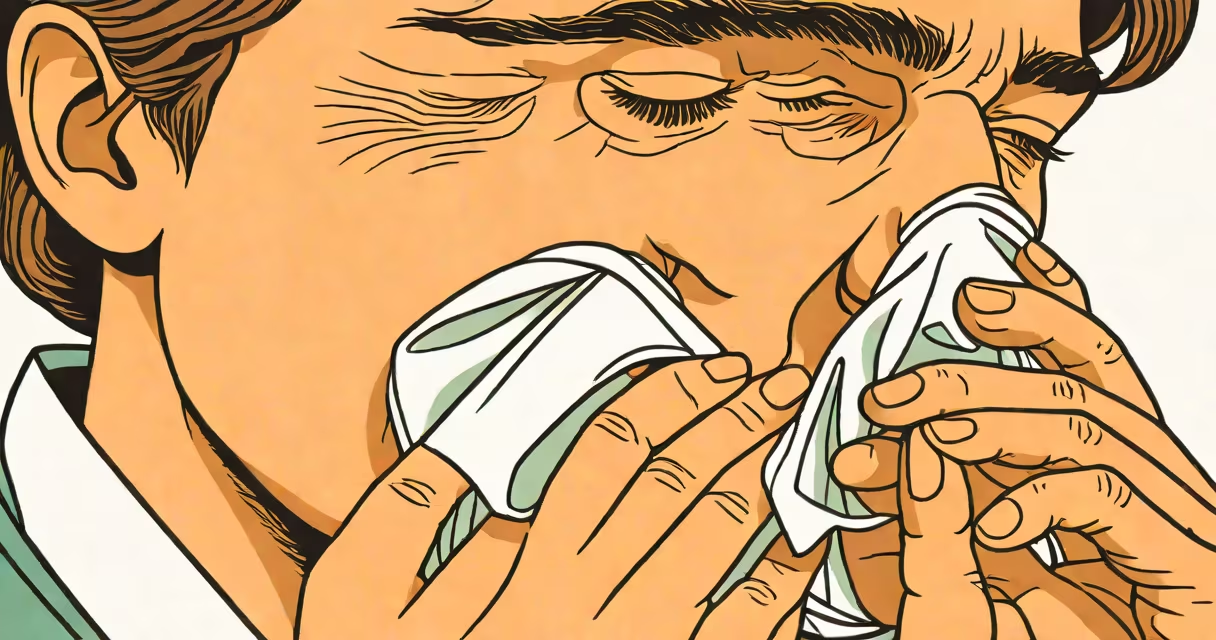
A runny nose, medically known as rhinorrhea, is the excessive production and drainage of mucus from the nasal passages. It's a common symptom triggered by infections, allergies, or environmental irritants. The condition affects nearly 60 million people annually in the U.S., according to the American Academy of Allergy, Asthma & Immunology.
The nasal lining contains glands that secrete mucus to trap dust, bacteria, and allergens. When irritated, these glands ramp up mucus output. This is a protective response-but too much mucus leads to a runny nose. The fluid is typically clear and thin during viral infections or allergic reactions, but can turn thick and yellow or green if a bacterial infection develops.
Runny nose is not a disease-it's a sign. It indicates the body is reacting to a stimulus. Most cases resolve within 7-10 days without treatment. Persistent or recurring episodes may point to chronic conditions like allergic rhinitis or non-allergic rhinitis, which affect about 20% of adults in the U.S., per the Centers for Disease Control and Prevention.
Mucus is produced by goblet cells in the nasal mucosa. These cells respond to triggers by increasing secretion. The mucus flows out through the nostrils or drains backward into the throat-a process called postnasal drip. This explains why a runny nose often comes with a sore throat or cough.
When viruses like rhinovirus enter the nose, they infect epithelial cells. The immune system responds by releasing histamine and other inflammatory mediators. Histamine increases blood flow and permeability, causing swelling and more mucus. This is why antihistamines reduce runny nose in allergy sufferers-they block histamine receptors.
For example, a 2022 study published in Frontiers in Immunology found that rhinovirus infection increases mucus production by up to 300% in nasal epithelial cultures. The study confirmed that viral replication directly stimulates mucus-secreting cells, leading to rapid onset of runny nose.
Runny nose falls into several categories based on cause:
| Type | Common Causes | Typical Mucus Appearance | Duration |
|---|---|---|---|
| Allergic rhinitis | Pollen, dust mites, pet dander | Clear, watery | Seasonal or year-round |
| Viral upper respiratory infection | Rhinovirus, coronavirus | Clear → cloudy → yellow/green | 3-10 days |
| Non-allergic rhinitis | Weather changes, strong smells, stress | Clear, persistent | Chronic, varies |
| Environmental irritants | Smoke, pollution, perfumes | Clear, often sudden onset | Immediate, resolves when removed |
One key distinction often missed: allergic rhinitis causes itching in the nose and eyes, while viral rhinitis rarely does. A runny nose with itchy eyes and sneezing points strongly to allergies. A runny nose with fever, body aches, and fatigue suggests a viral infection.
I once treated a patient with a persistent runny nose lasting six weeks. Initial diagnosis was chronic sinusitis. After testing, we found elevated IgE levels and positive skin prick test to tree pollen. Switching to antihistamines and nasal corticosteroids resolved symptoms in five days. This case highlights that not all runny noses stem from infection.
Runny nose is most common in winter months due to increased viral transmission. Rhinoviruses spread easily in crowded indoor spaces with low humidity. Dry air irritates nasal membranes, making them more sensitive to triggers.
Children experience runny nose more frequently than adults-up to 6-8 times per year on average. Their immune systems are still developing, and their nasal passages are smaller, so even mild inflammation can cause noticeable drainage.
Some medications cause runny nose as a side effect. Decongestants like pseudoephedrine can lead to rebound congestion after 3-5 days of use. Antihypertensives such as captopril have been linked to non-allergic rhinitis in 1-2% of users, according to a 2021 review in Pharmacotherapy.
Many assume a runny nose always means a cold. But clear, persistent drainage without fever or fatigue may indicate non-allergic rhinitis. This condition affects about 10% of adults and is often misdiagnosed as allergies.
Another misconception: green or yellow mucus means infection requires antibiotics. That's false. Color change results from enzymes released by white blood cells, not bacteria. Antibiotics do not speed recovery in viral rhinitis and contribute to antibiotic resistance.
Strep throat, for example, rarely causes a runny nose. According to the CDC, only 10-15% of strep cases involve nasal symptoms. Most patients report sore throat, fever, and swollen lymph nodes-without nasal discharge. If a runny nose accompanies a severe sore throat, consider viral pharyngitis or allergies.
Eye pain with a runny nose is usually unrelated. Conjunctivitis (pink eye) can occur alongside viral rhinitis, but the two are separate conditions. A runny nose with red, itchy eyes likely stems from allergies. If both eyes are affected and discharge is thick, seek care for possible bacterial conjunctivitis.
See a healthcare provider if symptoms last longer than 10 days, worsen after initial improvement, or include high fever (>102°F), facial pain, or difficulty breathing. These signs may indicate bacterial sinusitis or complications.
Understanding why we have runny nose helps avoid unnecessary treatments. It's not a standalone issue-it's a signal. Recognizing the context behind the mucus flow improves care decisions and reduces time spent on ineffective remedies.