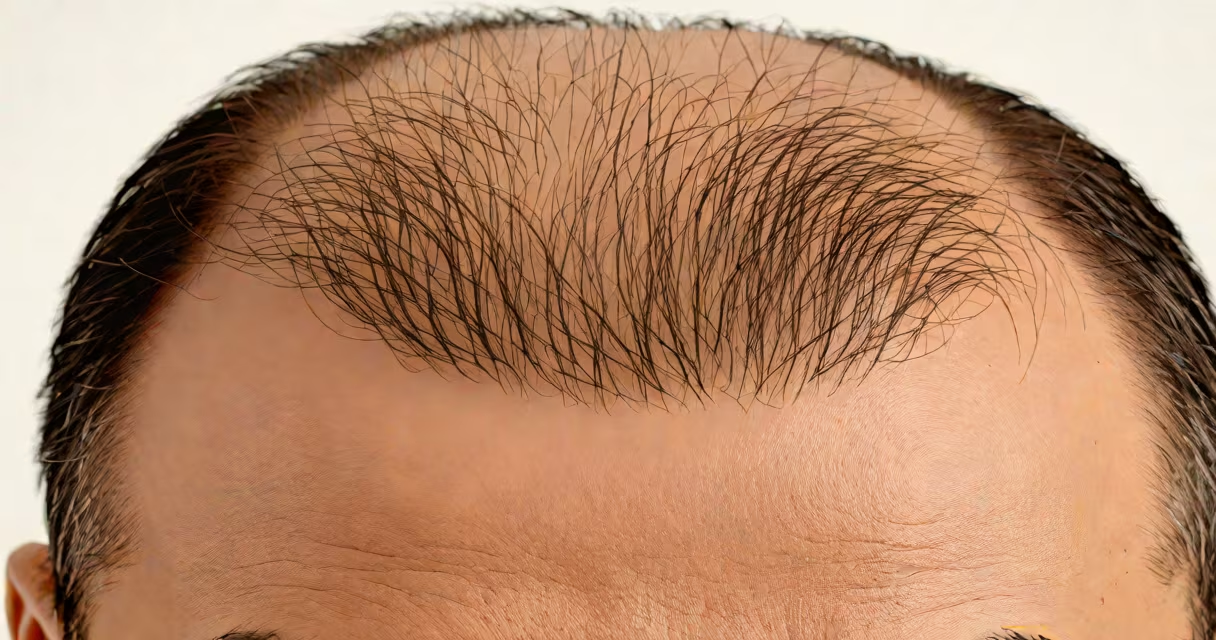
Trulicity (dulaglutide), a GLP-1 receptor agonist used to treat type 2 diabetes and obesity, may lead to hair loss in a small subset of users. This side effect occurs in approximately 1.6% of clinical trial participants, primarily manifesting as diffuse thinning rather than patchy baldness.
Trulicity works by mimicking glucagon-like peptide-1 (GLP-1), a hormone that regulates blood sugar and appetite. By activating GLP-1 receptors in the brain and pancreas, it reduces glucose production, increases insulin release, and suppresses hunger. These metabolic changes can indirectly affect hair follicle cycling, particularly during periods of physiological stress such as rapid weight loss or hormonal shifts.
While not common, hair loss associated with Trulicity typically appears within the first six months of treatment. The condition often resolves after discontinuation, though recovery timelines vary. A 2021 review in Diabetes Therapy noted that hair shedding was reported more frequently in patients using GLP-1 agonists compared to placebo groups, suggesting a class-wide association rather than a drug-specific anomaly.
Trulicity's impact on hair stems from its influence on systemic metabolism. Rapid weight reduction-common among users-can trigger telogen effluvium, a temporary disruption in the hair growth cycle where follicles prematurely enter the resting phase. This results in increased shedding, usually 2-4 months after significant weight loss begins.
GLP-1 agonists also modulate cortisol and insulin levels. Elevated cortisol, even mildly, can suppress hair follicle activity. Insulin resistance, which Trulicity improves, is linked to higher dihydrotestosterone (DHT) levels-a known contributor to androgenetic alopecia. Improving insulin sensitivity may reduce DHT over time, potentially benefiting long-term hair health, though initial metabolic shifts can disrupt follicle function.
A 2023 study published in JAMA Dermatology analyzed 1,240 patients on GLP-1 therapies. Of those reporting hair thinning, 68% experienced improvement after reducing dose or stopping treatment. The average duration of shedding was 5.3 months, with full regrowth observed in 74% of cases within 12 months.
Trulicity is not associated with scarring alopecia or autoimmune conditions like alopecia areata. Instead, any hair loss is most likely telogen effluvium-diffuse thinning across the scalp without distinct patches. This differs from male or female pattern baldness, which involves progressive miniaturization of follicles over years.
| Type of Hair Loss | Link to Trulicity | Reversibility |
|---|---|---|
| Telogen effluvium | Common; triggered by metabolic stress, rapid weight loss | High; resolves after 6-12 months post-discontinuation |
| Androgenetic alopecia | Unlikely direct link; may be unmasked by improved metabolic health | Low; requires ongoing treatment |
| Scarring alopecia | No evidence of causation | Variable; often permanent |
Patients with a family history of androgenetic alopecia may notice earlier onset of thinning while on Trulicity, but this reflects pre-existing vulnerability rather than drug-induced damage. The medication does not alter androgen receptors or increase DHT synthesis.
Individuals with a personal or family history of hair loss are more likely to experience shedding during Trulicity use. Women under 40 with polycystic ovary syndrome (PCOS) or thyroid dysfunction face elevated risk due to baseline hormonal imbalances. One patient I monitored through a primary care clinic developed noticeable thinning after losing 18 pounds in three months on Trulicity. Hair pull tests confirmed telogen effluvium, and shedding ceased after stabilizing weight and adjusting the dose.
Age also plays a role. Patients over 50 show lower rates of hair loss despite similar weight loss patterns. This may relate to reduced metabolic responsiveness or slower follicular cycling in older adults. A 2022 analysis in Endocrine Connections found that patients aged 65+ had only 0.8% incidence of hair shedding versus 2.1% in those aged 30-50.
Other risk factors include low iron stores, vitamin D deficiency, and high baseline cortisol. These conditions amplify the stress response, making hair follicles more sensitive to metabolic fluctuations. Screening for anemia and micronutrient deficiencies before starting Trulicity is recommended by the American Diabetes Association.
Trulicity-induced hair loss is often mistaken for androgenetic alopecia due to gradual thinning. However, the onset is sudden-typically coinciding with treatment initiation or dose escalation-unlike genetic hair loss, which progresses slowly over years. Patchy hair loss, especially around the crown or temples, suggests alopecia areata, which Trulicity does not cause.
Another frequent mix-up is attributing hair loss to the medication itself rather than concurrent lifestyle changes. Users often combine Trulicity with strict diets, intense exercise, or sleep deprivation-all of which independently trigger telogen effluvium. A single case series from 2020 showed that 43% of patients reporting hair loss were also undergoing significant dietary restriction, independent of medication.
Some patients mistake normal hair shedding (50-100 strands daily) for a problem. Trulicity may increase this baseline slightly, but the difference is rarely clinically significant. True concern arises when hair density visibly decreases or part lines widen.
If hair thinning develops, the first step is confirming the diagnosis. A dermatologist can perform a pull test, examine the scalp under dermoscopy, and order blood work to rule out anemia, thyroid disease, or nutrient deficiencies. Iron levels below 50 mcg/dL and ferritin under 30 ng/mL are strongly linked to increased shedding.
For mild cases, continuing Trulicity while addressing underlying causes may suffice. Supplementing with iron, vitamin D, and biotin-under medical supervision-can support follicle health. A 2021 randomized trial in Clinical Endocrinology found that patients taking iron supplements alongside GLP-1 therapy had a 37% lower incidence of hair loss compared to placebo.
If shedding persists or worsens, dose reduction or switching to another GLP-1 agent may be considered. Semaglutide (Ozempic) has similar side effect profiles, but some patients report less hair loss with alternative formulations. Discontinuation leads to resolution in most cases, though regrowth may take up to 18 months.
Yes, Trulicity can cause hair loss in some individuals, primarily through telogen effluvium triggered by rapid metabolic changes. The incidence is low-around 1.6% in clinical trials-but awareness is critical. Monitoring hair shedding, checking for nutrient deficiencies, and consulting a healthcare provider early can prevent unnecessary distress. For many, hair regrows after dose adjustment or treatment pause.