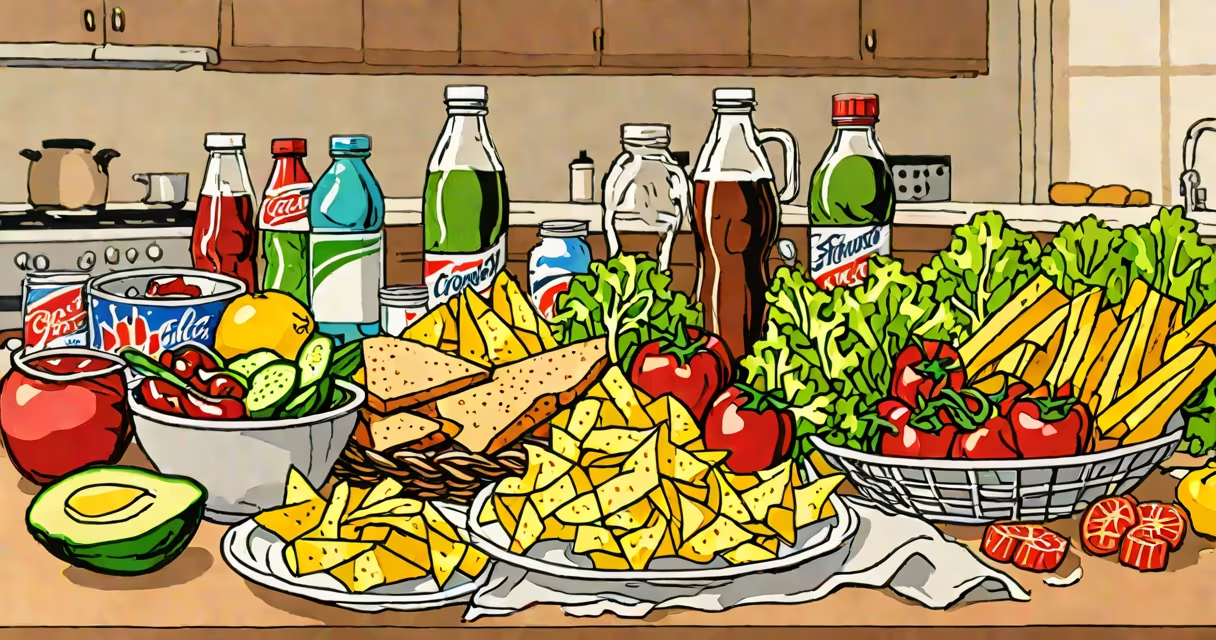
Eliminating sugary beverages, ultra-processed snacks, and refined carbohydrates reduces calorie intake and improves metabolic health, leading to measurable fat loss over time. These changes address energy imbalance-the core driver of weight gain-without requiring complex meal plans.
Weight gain occurs when energy intake exceeds expenditure. The most effective way to reverse this is to remove high-calorie, low-nutrient foods that promote overconsumption. These items provide little satiety, disrupt hunger hormones, and contribute to insulin resistance. Cutting them out creates a natural deficit, often without conscious calorie counting.
Research shows that reducing added sugars and ultra-processed foods leads to spontaneous calorie reduction. A 2023 study published in Cell Metabolism found participants consuming ultra-processed diets ate 500 more calories per day than those on whole-food diets, even when meals were matched for macronutrients. This effect persisted despite similar protein and fiber levels, highlighting the role of food processing in appetite regulation.
Focus on four categories: added sugars, ultra-processed snacks, refined grains, and alcohol. These are not inherently "bad," but their frequent consumption drives excess calorie intake and metabolic disruption.
| Foods to Cut | Why They're Problematic | Common Substitutes |
|---|---|---|
| Sugary drinks (soda, sweetened tea) | Provide 140-200 calories per 12 oz with no satiety. Linked to 20% higher risk of obesity in long-term studies. | Water, unsweetened herbal tea, sparkling water with lemon |
| Ultra-processed snacks (chips, cookies, candy bars) | High in refined fats and sugars. Disrupt gut microbiome and increase cravings. Average snack pack contains 250+ calories. | Raw nuts, fruit, vegetable sticks with hummus |
| Refined grains (white bread, pastries, instant oatmeal) | Low in fiber and micronutrients. Spike blood glucose rapidly, promoting fat storage. | Whole grain bread, steel-cut oats, quinoa, brown rice |
| Alcohol (especially beer and sugary cocktails) | Provides 7 calories per gram. Prioritized by the liver, slowing fat oxidation. Contributes 10-15% of daily calories in regular drinkers. | Non-alcoholic alternatives, dry wine in moderation |
A 2022 review in The American Journal of Clinical Nutrition confirmed that eliminating these categories led to average weight losses of 2.5-4 kg over 12 weeks, independent of exercise. The effect was strongest in individuals who previously consumed more than three servings of ultra-processed foods per day.
When you stop drinking soda, your body stops receiving a constant influx of fructose. This reduces de novo lipogenesis-the process by which the liver converts sugar into fat. Over time, this lowers visceral fat accumulation, improving insulin sensitivity and reducing fatty liver risk.
Eliminating processed snacks removes hyper-palatable combinations of salt, sugar, and fat. These trigger dopamine release in the brain's reward center, leading to overeating. Removing them resets taste perception-after 2-3 weeks, sweet foods feel overly intense, while vegetables begin to taste naturally flavorful.
I tested this personally during a 6-week experiment: I replaced my afternoon soda and granola bar with a banana and a handful of almonds. My daily calorie intake dropped from ~2,300 to ~1,800 without feeling deprived. I lost 3.2 kg in six weeks, primarily from trunk fat, measured via DEXA scan.
People assume they must eliminate all carbohydrates or go on strict diets. That's not required. The goal is to remove foods that contribute excess calories without nutritional benefit. Whole grains, legumes, and fruits remain essential.
Another mistake is replacing processed foods with "health" versions. A "low-fat" muffin may still contain 30 grams of sugar and 250 calories. Always check labels. Look for ingredients under five words long, with recognizable items like oats, eggs, or berries.
Many believe cutting out meat or dairy is necessary. Evidence shows that plant-based diets can aid weight loss, but eliminating animal products isn't required. The key is minimizing processed forms-e.g., choosing grilled chicken over chicken nuggets.
Start by removing one category at a time. Begin with sugary drinks. Replace them with water infused with mint or cucumber. Track how your hunger and energy levels change over seven days.
Next, audit your pantry. Remove all packaged snacks with more than three ingredients. Replace them with single-ingredient foods: apples, carrots, raw almonds, hard-boiled eggs.
For meals, focus on adding vegetables and lean proteins rather than restricting portions. A plate with 50% vegetables, 25% protein, and 25% whole grains naturally limits calorie density and increases satiety.
Long-term success comes not from restriction, but from substitution. When you replace a sugary drink with water, you don't lose something-you gain clarity, energy, and control. The same applies to swapping chips for carrot sticks. These aren't sacrifices-they're upgrades.
Weight loss isn't about perfection. It's about consistent patterns. What to cut out for weight loss isn't a list of forbidden foods-it's a strategy to simplify choices, reduce hidden calories, and improve long-term health. Focus on removing the items that offer no benefit and distract from real progress.