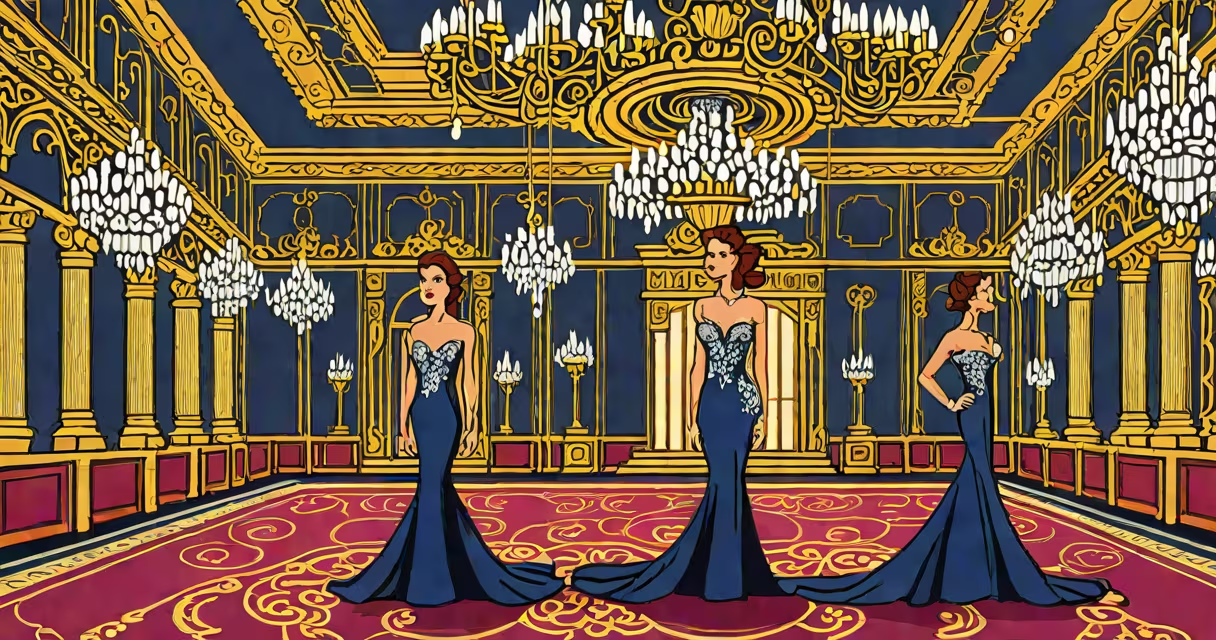
An elegant dress code requires refined, well-fitted attire that conveys sophistication without excess ornamentation. It's appropriate for upscale social events, galas, or formal dinners where presentation matters.
Elegant dress code is not synonymous with "black tie" or "cocktail," though it shares elements with both. It emphasizes quality materials, clean lines, and deliberate styling. Think tailored wool blazers, silk scarves, and structured gowns-not flashy sequins or loud patterns.
The term originated in early 20th-century European salons and was codified in fashion manuals by the 1930s. Today, it appears on invitations for weddings, charity balls, and award ceremonies. The key is balance: enough formality to feel special, but not so much that attendees look like they're performing.
When an invitation specifies "elegant," organizers expect guests to avoid casual wear such as jeans, sneakers, or polo shirts. Instead, men should wear dark suits with dress shoes and a tie or bowtie. Women may choose long or knee-length dresses in solid colors or subtle prints, often in rich fabrics like satin or chiffon.
Accessories matter. A single statement necklace or a pair of pearl earrings can improve an outfit. But multiple bold pieces create visual clutter. The goal is harmony, not competition between elements.
For example, at a 2023 gala hosted by the Metropolitan Museum of Art, attendees wore tailored tuxedos with black shoes and no visible logos. Women wore column dresses in deep burgundy or emerald green, paired with clutch bags and heels under 4 inches. No one wore denim or athletic shoes.
"Elegant" is often confused with "formal" or "glamorous." Glamour relies on sparkle and attention-grabbing details-like rhinestones or feather trim. Elegant dress code avoids those. It values subtlety over spectacle.
Here's how it compares to other codes:
| Dress Code | Attire Expectations | Common Mistakes |
|---|---|---|
| Elegant | Tailored suits, long or knee-length dresses, neutral or muted tones, minimal jewelry | Over-accessorizing, wearing bright colors, using synthetic fabrics |
| Black Tie | Men: tuxedo with black bowtie; women: floor-length gowns, evening gloves | Wearing a suit instead of a tux, skipping the bowtie |
| Cocktail | Women: knee-length dresses; men: dark suits with tie | Wearing jeans or sandals, choosing overly short or revealing styles |
A frequent error is assuming "elegant" allows for casual footwear. Heels are expected-flat shoes or loafers undermine the tone. One guest at a 2022 charity dinner wore a cream-colored sheath dress with ballet flats. The host later noted the outfit "lacked intentionality," even though the dress itself was well-made.
Another misconception is equating elegance with cost. A $500 designer dress in a loud pattern doesn't meet the standard. A $100 navy-blue silk dress with a simple cut does. The difference lies in proportion, fit, and restraint.
Elegant dress code appears most often at events requiring a sense of occasion without full formality. Think art openings, private dinners, anniversary celebrations, or high-profile industry conferences.
According to the Council of Fashion Designers of America (CFDA), "elegant" is the most frequently requested dress code for events held between 6 PM and 10 PM. It signals respect for the host and the setting, without demanding full ceremonial attire.
At a 2021 wedding in Napa Valley, the couple specified "elegant" on their invitation. Guests arrived in tailored suits and lace-trimmed gowns. One man wore a gray double-breasted suit with a burgundy tie-no lapel pins or flashy watches. His wife wore a champagne-colored dress with a modest neckline and low heels. The atmosphere felt celebratory but restrained.
Even in corporate settings, "elegant" is used. A 2023 board meeting at a Fortune 500 company required "elegant business attire." Employees wore navy or charcoal suits with silk ties. No jeans, no open-toe shoes, no visible tattoos. The expectation was professionalism with polish.
Many assume "elegant" means "expensive." That's incorrect. Elegance is about intentionality, not price tag. A $200 vintage dress from the 1960s can be more elegant than a $1,000 off-the-rack designer piece if it fits well and reflects thoughtful choice.
As noted in *The Art of Dress* by Valerie Steele (2017), "Elegance is not wealth displayed-it is wealth contained." She cites the 1950s-era style of Audrey Hepburn: simple lines, natural silhouettes, and a focus on posture and presence over decoration.
I once attended a gala where a guest wore a vintage Chanel suit from the 1970s-slightly worn, but impeccably pressed. The fabric had slight fading, but the cut was perfect. No one questioned her attire. The host later said, "She didn't try to impress. She just looked like someone who belonged." That's the mark of true elegance.
"What does elegant dress code mean" is not a question about fashion trends. It's about context, respect, and personal standards. It's not about looking like a celebrity-it's about looking like you've prepared.
If you're unsure, ask: "Would this outfit feel out of place at a high-end restaurant or museum gala?" If yes, reconsider. If no, you're likely on track.
Elegant dress code means dressing with care, not just clothes. It's a quiet signal: I'm here to honor the moment.