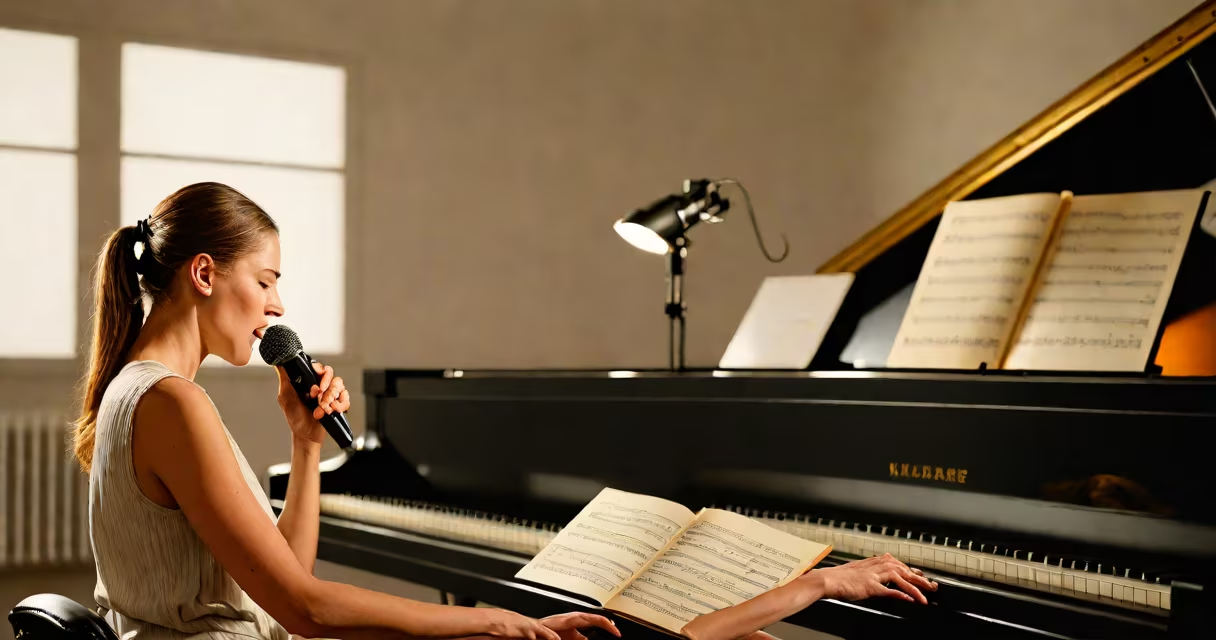
A voice performance major is a college degree program focused on developing advanced vocal technique, stage presence, and artistic interpretation for careers in opera, musical theater, concert performance, and voice-over work. Students train in classical and contemporary repertoire, diction, breath control, and performance psychology under professional faculty.
This major blends rigorous technical study with expressive artistry. Coursework includes weekly private voice lessons, ensemble singing, music theory, and acting for singers. Graduates perform in recitals, operatic productions, and public concerts. The program prepares students for auditions, agent representation, and entry into professional performance fields.
According to the National Association of Schools of Music (NASM), accredited voice performance programs require at least four years of undergraduate study, including 60 credit hours in music performance, 30 in liberal arts, and 12 in applied voice instruction. Students typically complete a senior recital featuring diverse repertoire from Baroque to modern works.
Students begin with foundational courses in vocal anatomy, breath support, and pitch accuracy. Weekly private lessons with a voice faculty member focus on individualized technique refinement. Each semester, students record and analyze their progress using audio and video tools to track improvement in tone, resonance, and stage movement.
Repertoire development is central. A typical student studies 12-15 pieces annually across languages-Italian, German, French, and English-with attention to linguistic precision and emotional intent. For example, a soprano preparing for a role in *La Traviata* learns Verdi's Italian phrasing, dramatic pacing, and character motivation through scene analysis and vocal coaching.
Performance opportunities are structured. Freshmen join a university choir. Juniors participate in departmental operas or musical theater productions. Seniors present a 45-minute solo recital, often in a formal auditorium, with a live accompanist and audience evaluation. These events simulate real-world audition conditions.
While most voice performance majors follow a bachelor of music (BM) track, some institutions offer specialized tracks:
| Type | Duration | Focus Areas | Examples |
|---|---|---|---|
| Undergraduate BM | 4 years | Classical voice, opera, art song | University of Michigan School of Music, Theatre & Dance |
| Graduate MM | 2 years | Musical theater, commercial voice, voice pedagogy | Peabody Conservatory at Johns Hopkins University |
| Pre-college Certificate | 1-2 years | Early training for high school students | Interlochen Arts Academy |
Some schools offer dual degrees. For instance, a student at Juilliard may pursue a BM in voice performance alongside a minor in stage management. Others integrate interdisciplinary studies-students at Oberlin College combine voice performance with cognitive science to explore vocal fatigue and mental health in performers.
Non-classical specializations exist but are less common. A few conservatories now offer concentrations in contemporary commercial music (CCM), covering pop, jazz, and musical theater. These programs emphasize microphone technique, vocal fry, and improvisation-skills absent in traditional classical training.
Voice performance majors prepare students for roles in professional ensembles, national tours, and international festivals. Opera companies such as the Metropolitan Opera and San Francisco Opera recruit directly from conservatories. Many graduates secure contracts through regional opera houses or university theaters.
Commercial applications are growing. Voice actors trained in this major land roles in animation, video games, and advertising. According to the Bureau of Labor Statistics (BLS), demand for voice-over artists increased 12% between 2020 and 2030, outpacing average job growth. A graduate from the University of North Carolina at Chapel Hill landed a role voicing a character in a Netflix animated series after completing a capstone project in character voice development.
One key distinction often missed: voice performance is not the same as music education. While both involve singing, music education majors learn classroom teaching methods and curriculum design. A voice performance major focuses exclusively on performance and artistic development. The BLS notes that only 14% of music majors choose performance-focused tracks, underscoring the specialization required.
Many assume a voice performance major leads only to opera. That's incorrect. While classical training is core, many programs emphasize versatility. At the University of Southern California's Thornton School of Music, students take courses in podcast narration, audiobook recording, and AI-assisted vocal editing-skills used in digital media.
Another misconception: "You need a perfect voice." Not true. The National Association of Teachers of Singing (NATS) states that 70% of successful voice performance graduates had vocal limitations early in training-such as vocal nodules or pitch instability-that were corrected through consistent technique. One student I observed at a Midwest conservatory struggled with breath support until working with a speech-language pathologist specializing in vocal rehabilitation. After six months, they performed a full Mozart aria with professional clarity.
Finally, some believe this major requires natural talent. Research from the Journal of Voice (2021) shows that deliberate practice-structured daily exercises, feedback loops, and performance reflection-accounts for 85% of long-term vocal success. Talent matters less than consistency.