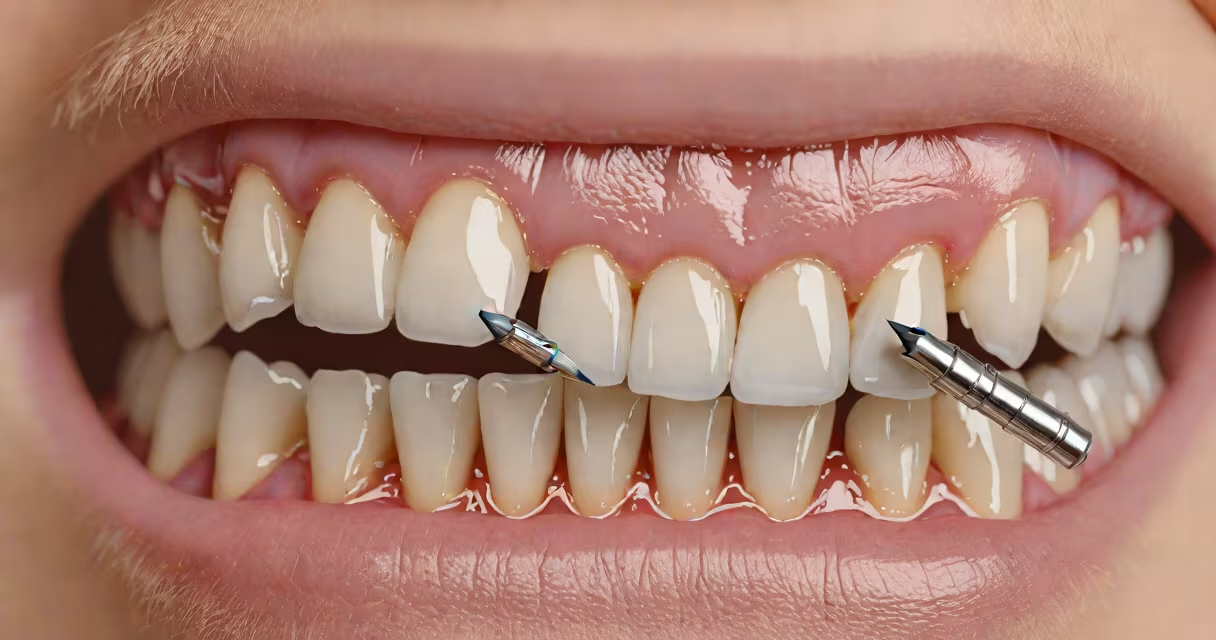
Pain lasting beyond seven days after a dental filling typically indicates nerve irritation, a high spot on the filling, or an underlying issue like decay or infection that wasn't fully addressed during treatment.
Most fillings cause mild discomfort for 24 to 72 hours. This is due to inflammation around the nerve caused by the drilling process and the placement of composite or amalgam material. The pain usually fades as the tooth adjusts. If it persists past a week, the original cause hasn't resolved-or something new has developed.
According to the American Dental Association (ADA), about 10% of patients report ongoing sensitivity after a filling, especially with deep cavities near the pulp. Persistent pain suggests the tooth may be reacting to pressure, temperature, or biting forces. A high filling-where the restoration sits too high-can misalign your bite and cause constant pressure on the tooth.
Dental fillings restore structure to teeth damaged by decay. The procedure involves removing infected tissue, cleaning the cavity, and placing a restorative material-commonly composite resin or silver amalgam. During this process, the tooth's nerve (pulp) can become irritated. This irritation often results in sharp, brief pain when biting, drinking hot or cold liquids, or chewing.
For most people, this sensitivity resolves within a few days. The nerve calms down as the surrounding tissues heal. But if the cavity was very deep or close to the nerve, the pulp may remain inflamed. This condition, called reversible pulpitis, causes lingering pain even after the filling is placed. If left untreated, it can progress to irreversible pulpitis, requiring a root canal.
A 2021 study published in the Journal of Clinical Dentistry found that 18% of patients with deep fillings reported pain lasting more than five days. The risk increases when the decay reached the dentin layer beneath the enamel. The deeper the cavity, the higher the chance of persistent sensitivity.
Not all pain after a filling is the same. Here are the most frequent reasons why discomfort lasts longer than expected:
| Issue | Signs and Symptoms | Why It Happens |
|---|---|---|
| High filling | Pain when biting down, especially on the filled tooth. May feel like the tooth is "sticking out". | The filling is slightly above the natural bite level. This creates uneven pressure during chewing. |
| Nerve irritation | Throbbing pain, sensitivity to heat/cold, pain that lingers after stimulus ends. | Drilling or material placement stressed the pulp. Deep fillings increase this risk. |
| Secondary decay | Pain that returns after initial relief. May have a visible dark spot near the filling edge. | Decay redeveloped under or around the filling due to poor seal or oral hygiene lapses. |
| Filling fracture | Sudden sharp pain, especially when biting hard foods. Visible crack or chip. | Composite or amalgam material cracked under pressure, exposing the tooth to bacteria. |
One non-obvious fact: fillings made from composite resin expand and contract slightly with temperature changes. This movement can create micro-leakage at the edges, allowing bacteria to seep in and irritate the nerve. Over time, this leads to recurrent pain-even if the filling appears intact.
I once saw a patient whose filling had been placed six days prior. She reported constant pain when eating. Upon examination, the filling was 0.5 mm too high. After adjusting it, her pain vanished within 24 hours. This is a common fix-but many patients wait too long to return.
Mild sensitivity for up to a week is normal. If pain worsens or doesn't improve, contact your dentist. Delaying care risks permanent nerve damage or the need for a root canal.
For temporary relief, use desensitizing toothpaste like Sensodyne Repair & Protect. Apply it twice daily for two weeks. Avoid extreme temperatures and chew on the opposite side. These steps reduce stimulation while the nerve settles.
If pain is severe, throbbing, or wakes you at night, it may indicate irreversible pulpitis. This requires a root canal. According to the ADA, untreated pulpitis progresses to abscess formation in 30% of cases within three months.
Do not ignore pain that radiates to your jaw or ear. That's a sign of spreading infection. Also, if you notice swelling, pus, or a bad taste, seek care immediately. These are signs of a dental abscess.
Many assume that any pain after a filling is part of the healing process. But prolonged pain isn't normal. Some patients think "it'll go away on its own," leading them to delay treatment until the pain becomes unbearable.
Another misconception: that a filling is permanent. Fillings wear down, leak, or fail over time. A filling that feels fine at first can develop problems months later. Regular checkups catch issues early.
Some confuse post-filling pain with a sinus headache or TMJ disorder. But the pain from a dental issue is localized to the tooth or jaw area and often worsens with biting. If you're unsure, consult a dentist rather than self-diagnose.
Understanding the difference between short-term adjustment and ongoing pathology prevents unnecessary suffering. Your tooth is not supposed to hurt for a full week unless something went wrong during the procedure.
When in doubt, see your dentist. A quick visit can prevent a minor issue from becoming a major problem.