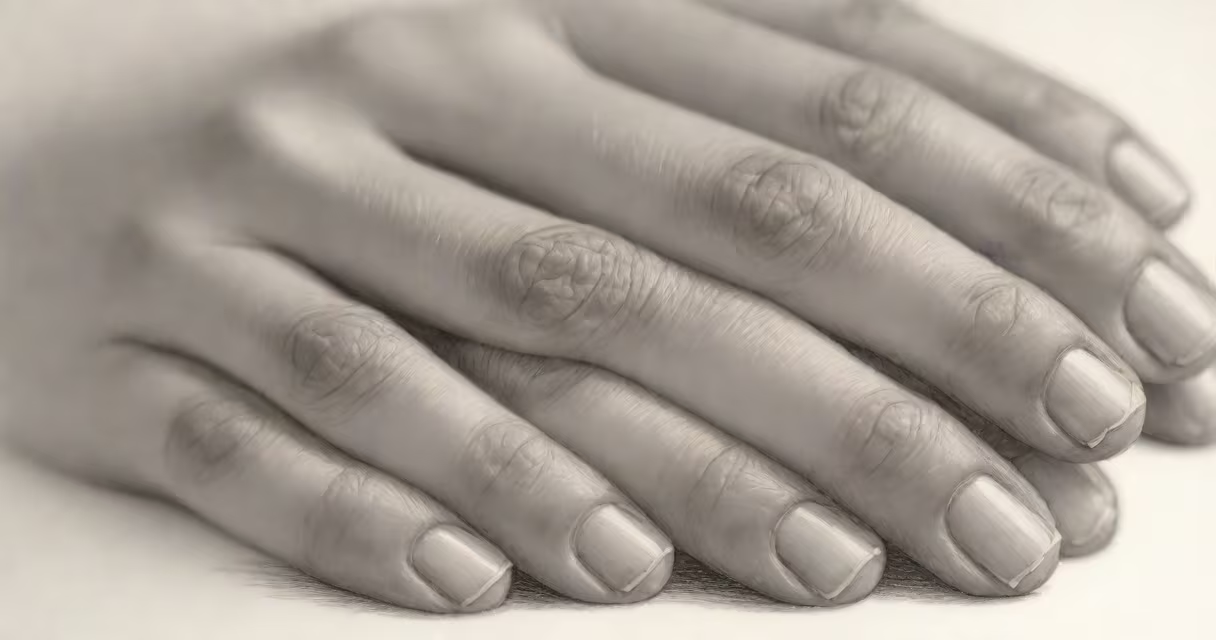
Tingling fingers result from disrupted nerve signals, often due to pressure on nerves, underlying health conditions, or injury. The sensation may feel like pins and needles, burning, or electric shocks. It typically affects one or more fingers and can occur intermittently or persistently.
Nerve pathways in the arms and hands transmit sensory information to the brain. When these signals are interrupted-by compression, inflammation, or disease-the brain interprets the disruption as tingling. This can happen anywhere along the pathway, from the spine to the fingertips.
According to the Mayo Clinic, common neurological causes include carpal tunnel syndrome, peripheral neuropathy, and cervical radiculopathy. These conditions affect nerve function but differ in location, mechanism, and treatment. Identifying the root cause requires evaluating symptoms, medical history, and diagnostic tests.
The peripheral nervous system controls sensation in the hands. When nerves are compressed, damaged, or inflamed, they send abnormal signals. The brain receives these signals as tingling, even when no external stimulus exists.
For example, compressing the median nerve at the wrist during repetitive typing can lead to carpal tunnel syndrome. Over time, swelling or altered anatomy narrows the carpal tunnel, squeezing the nerve. This disrupts signal transmission, causing tingling in the thumb, index, middle, and part of the ring finger.
Another mechanism involves systemic diseases. Diabetes, for instance, can damage small nerves over time-a condition called diabetic neuropathy. High blood glucose levels impair nerve function, leading to gradual onset of tingling, especially in the feet and hands. The American Diabetes Association notes that up to 50% of people with long-standing diabetes develop some form of neuropathy.
Several distinct conditions cause tingling fingers. Understanding the differences helps identify likely culprits based on symptoms and context.
| Condition | Primary Cause | Typical Symptoms | Onset Pattern |
|---|---|---|---|
| Carpal Tunnel Syndrome | Median nerve compression at the wrist | Tingling in thumb, index, middle, and half of ring finger; worse at night | Gradual, worsens with repetitive hand use |
| Peripheral Neuropathy | Systemic nerve damage (e.g., diabetes, vitamin deficiency) | Bilateral tingling, often starting in toes and moving upward | Slow progression over months or years |
| Cervical Radiculopathy | Pinched nerve in neck (e.g., herniated disc) | Tingling radiating from neck down arm, often affecting one side | May follow neck strain or trauma |
| Raynaud's Phenomenon | Spasm of blood vessels in fingers | Fingers turn white, then blue, then red; tingling during color changes | Triggered by cold or stress |
Non-neurological causes exist too. Poor posture while using a computer can compress nerves in the shoulder or neck. A single episode of tingling after sleeping with the arm under the head usually resolves quickly. But persistent or recurring episodes suggest a deeper issue.
A key distinction often missed: tingling from nerve compression tends to affect specific digits or patterns. For example, carpal tunnel affects the thumb-side fingers. Diabetic neuropathy usually starts symmetrically in both hands and feet. If only one finger is affected, consider localized injury or vascular issues.
Occasional tingling after sitting oddly or holding a phone for hours is normal. But frequent or worsening symptoms require attention. The National Institute of Neurological Disorders and Stroke advises seeing a doctor if tingling lasts more than a few days, spreads, or interferes with daily tasks.
I once observed a patient who reported tingling in his right hand after gardening. He assumed it was fatigue. After two weeks, the sensation spread to his forearm and weakened grip strength. An EMG confirmed carpal tunnel syndrome. Early diagnosis prevented permanent nerve damage.
Red flags include muscle weakness, loss of coordination, or numbness spreading beyond fingers. These may indicate spinal involvement or progressive neuropathy. Immediate evaluation is needed if tingling follows a fall, accident, or sudden onset with paralysis.
Many assume tingling is always a sign of poor circulation. While reduced blood flow can cause numbness, true tingling arises from nerve signaling errors-not lack of oxygen. Cold-induced numbness feels heavy and dull; tingling is sharp and intermittent.
Another myth: "It's just aging." Numbness and tingling are not normal parts of getting older. While nerve function declines slightly with age, new-onset symptoms should be investigated. A 2021 study in *Neurology* found that 38% of adults over 60 with unexplained tingling had treatable conditions like vitamin B12 deficiency or early-stage diabetes.
Also, tingling isn't always localized. Some people report tingling in their hands during anxiety attacks. This results from hyperventilation-induced changes in blood pH, which alters nerve excitability. However, this is temporary and resolves with breathing control. Persistent tingling despite calm breathing indicates a physical cause.
If tingling persists, consult a healthcare provider. Diagnosis may involve nerve conduction studies, blood tests for glucose and vitamins, or imaging like MRI for neck issues. Treatment depends on the root cause.
For carpal tunnel syndrome, initial steps include wrist splints, ergonomic adjustments, and anti-inflammatory medication. Physical therapy improves mobility and reduces pressure. In severe cases, surgery may be required to release the transverse carpal ligament.
Understanding the cause of tingling fingers begins with tracking symptom patterns: timing, triggers, and affected areas. Documenting these details helps doctors make accurate diagnoses. Ignoring persistent tingling risks irreversible nerve damage. Early intervention leads to better outcomes.
Recognizing the difference between benign and serious causes ensures timely care. Whether due to nerve compression, metabolic disease, or structural issues, identifying the origin of cause of tingling fingers guides effective treatment. Don't wait for symptoms to worsen-seek evaluation when tingling becomes more than a passing sensation.