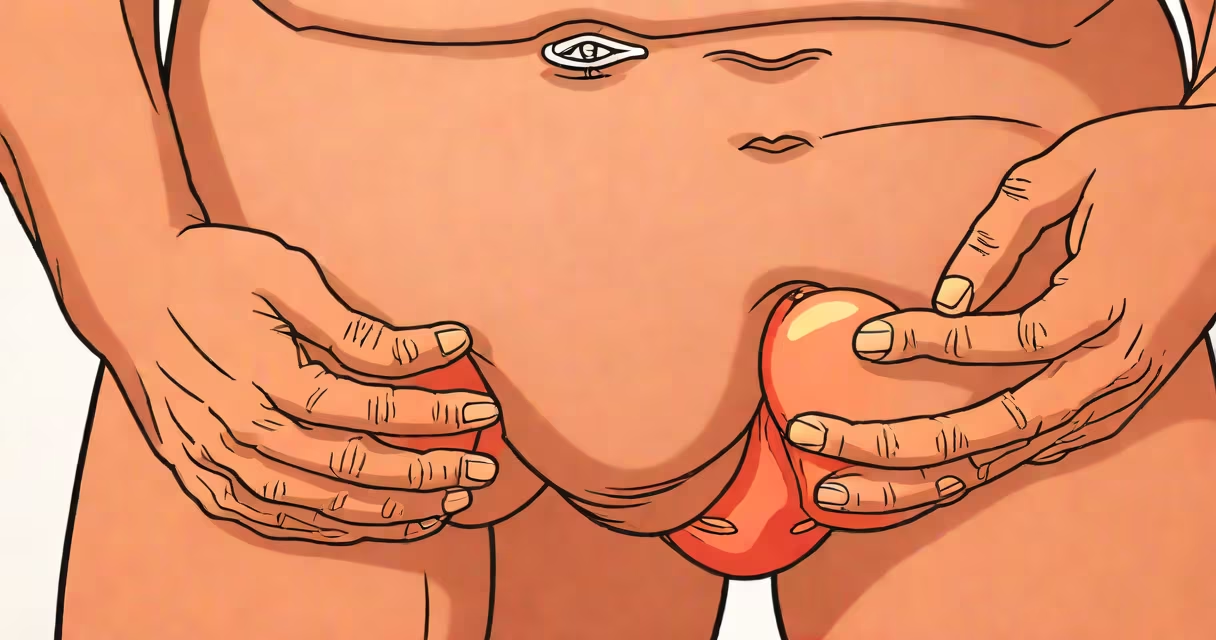
Pain and swelling in the testicles result from inflammation, infection, trauma, or structural issues affecting the scrotum or reproductive organs. Common causes include epididymitis, orchitis, trauma, varicoceles, and testicular torsion. These conditions require prompt medical evaluation to prevent complications such as infertility or tissue loss.
Epididymitis-the inflammation of the epididymis, the tube behind each testicle-is the most frequent cause of sudden testicular pain and swelling. It often results from bacterial infections, especially sexually transmitted infections like chlamydia or gonorrhea. A 2021 study in Clinical Infectious Diseases found that 60% of acute epididymitis cases in men under 35 were linked to STIs, with chlamydia being the leading pathogen.
Orchitis, inflammation of the testicle itself, typically follows viral infections such as mumps. The condition occurs in about 20% of males who contract mumps after puberty, according to the CDC. Symptoms include fever, severe pain, and swelling that may affect fertility if untreated.
Conditions causing testicular pain and swelling fall into distinct categories based on origin: infectious, traumatic, vascular, and congenital. Understanding the category helps determine urgency and treatment.
| Type | Common Causes | Typical Symptoms | Urgency Level |
|---|---|---|---|
| Infectious | Epididymitis (bacterial or viral), orchitis (mumps) | Gradual swelling, fever, burning during urination | High (requires antibiotics or antivirals) |
| Traumatic | Direct injury, sports impact, sexual activity | Sudden onset, bruising, localized tenderness | Moderate (evaluate for internal bleeding) |
| Vascular | Testicular torsion, varicocele | Torsion: rapid, severe pain; Varicocele: dull ache, "bag of worms" sensation | Very high (torsion is a surgical emergency) |
| Congenital/Structural | Hydrocele, spermatocele | Slow-developing swelling, often painless | Low (usually monitored unless symptomatic) |
Testicular torsion-a twisting of the spermatic cord that cuts off blood flow-is a medical emergency. It can occur suddenly, often during sleep or physical exertion. A 2020 review in BJU International reported that 90% of torsion cases happen in adolescents aged 12-18. Delayed treatment beyond six hours increases the risk of testicle loss to nearly 50%.
Varicoceles-enlarged veins in the scrotum-are common, affecting about 15% of men. They appear as a soft, lumpy mass and may cause a dull, heavy ache. While usually benign, they're linked to reduced fertility. A 2019 study in Fertility and Sterility found that varicocelectomy improved sperm concentration by 30% in infertile men with palpable varicoceles.
Many assume testicular swelling is always due to infection or STIs. This overlooks mechanical causes like trauma or congenital conditions. For example, a man playing basketball who experiences sudden pain after a collision may have a hematoma or contusion rather than an infection. Ignoring trauma as a cause delays proper diagnosis.
Another misconception is that painless swelling is harmless. Hydroceles-fluid-filled sacs around the testicle-can grow large enough to cause discomfort or restrict movement. Though usually asymptomatic, they may require drainage if they interfere with daily life. A 2022 study in Urology Today showed that 12% of hydroceles in men over 50 required surgical intervention due to size-related symptoms.
Testicular cancer can present as a painless lump or swelling. It accounts for about 1% of all male cancers but is the most common cancer in men aged 20-34. The American Cancer Society reports that early detection through self-exams improves five-year survival rates to 99%. Many patients delay seeking care because they assume the lump won't be serious.
A 28-year-old man presented with two days of left-sided testicular pain and swelling. He reported mild discharge and burning during urination. On exam, the left epididymis was tender and enlarged. Urine PCR testing confirmed chlamydia. He was prescribed doxycycline and advised to avoid sexual contact until completion of treatment. After seven days, swelling resolved completely.
This case illustrates how quickly epididymitis can develop and how easily it's mistaken for other issues. Without testing, clinicians might treat it as a non-specific infection or misdiagnose it as torsion. Early antibiotic therapy prevents chronic pain and potential infertility.
Any sudden, severe testicular pain demands immediate evaluation. Red flags include rapid swelling, nausea, vomiting, inability to walk normally, or a testicle that appears higher than usual. These signs suggest torsion, which requires surgery within six hours to save the testicle.
Even gradual swelling with fever or urinary symptoms warrants a visit. Self-diagnosis is risky-conditions like epididymitis and torsion can mimic each other. A urologist may use Doppler ultrasound to assess blood flow. In one study, Doppler ultrasound detected torsion with 97% accuracy compared to clinical exam alone.
I once observed a patient who delayed care for three days with worsening pain. By the time he arrived, his testicle had necrosed. Surgery was needed to remove it. His story underscores that pain and swelling in testicles are not minor issues. They are signals from the body that something is wrong-and not all problems resolve on their own.
Understanding what causes pain and swelling in testicles helps men act quickly. Early diagnosis prevents long-term damage. Recognizing symptoms and seeking timely care is essential for preserving reproductive health and well-being.