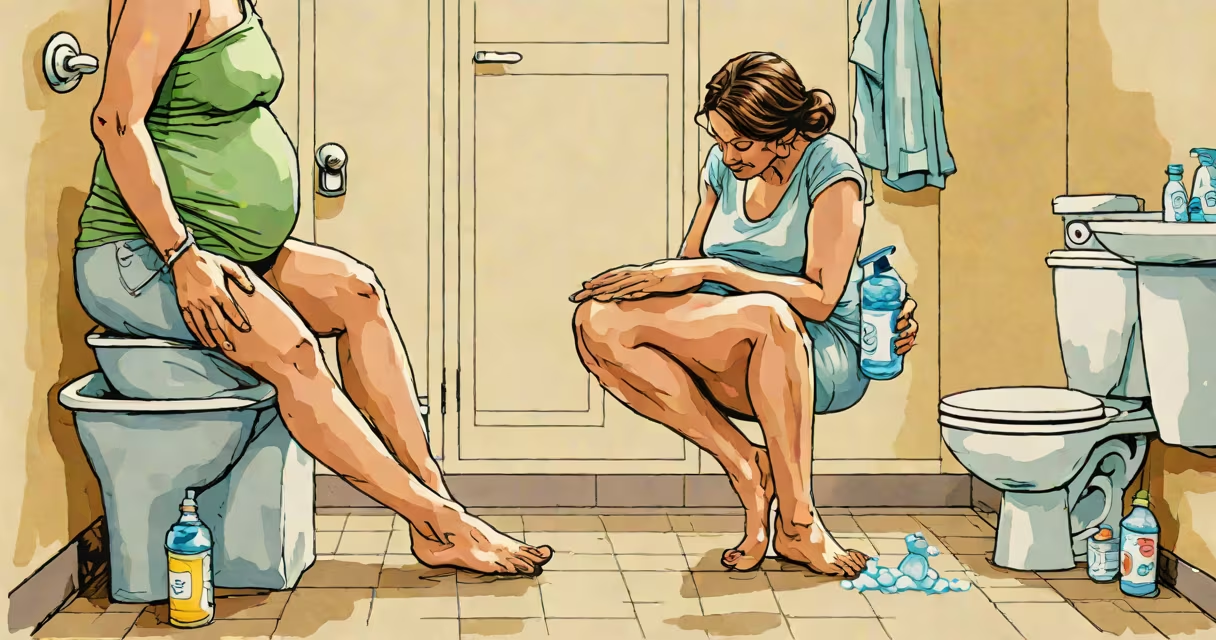
Frequent urination during pregnancy results from hormonal shifts, increased blood volume, and physical pressure from the growing uterus on the bladder. These factors combine to trigger more urine production and a stronger urge to void, especially in the first and third trimesters.
Progesterone levels rise rapidly in early pregnancy, relaxing smooth muscle throughout the body-including the urinary tract. This relaxation slows urine flow and increases bladder capacity temporarily, but the kidneys respond by filtering more fluid. The result: more urine produced per hour than usual.
By the second trimester, blood volume increases by about 40-50%, according to the American College of Obstetricians and Gynecologists (ACOG). This expanded plasma volume leads to greater glomerular filtration in the kidneys, meaning more fluid passes through the nephrons and ends up as urine. The body processes approximately 1.5 liters of blood per minute during pregnancy-up from 1 liter in non-pregnant states-driving higher urine output.
Progesterone, a key hormone in pregnancy, acts as a natural diuretic. It increases renal blood flow and glomerular filtration rate (GFR), which can raise urine output by up to 30% compared to pre-pregnancy levels. A 2021 study published in Frontiers in Endocrinology confirmed that serum progesterone correlates strongly with increased nocturnal urination frequency in early gestation.
As the uterus expands past 12 weeks, it begins to press directly on the bladder. By week 28, the fundus reaches the level of the navel, and pressure on the bladder becomes significant. This mechanical compression reduces bladder capacity and triggers urgency-even when the bladder holds less than half its normal volume.
These two forces-hormonal stimulation and physical compression-explain why most women report peeing every 30 to 60 minutes during late pregnancy. The sensation often feels urgent, even when little urine is present. This is not a sign of infection unless accompanied by burning, fever, or cloudy urine.
Urinary frequency follows a predictable pattern across pregnancy stages:
| Trimester | Primary Cause | Typical Frequency | Common Symptoms |
|---|---|---|---|
| First (weeks 1-12) | Hormonal surge (progesterone) | Every 30-45 min | Urgency, nighttime waking |
| Second (weeks 13-27) | Peak blood volume, stable uterus | Every 60-90 min | Less frequent than first trimester |
| Third (weeks 28-40) | Uterine pressure, pelvic congestion | Every 20-40 min | Leakage, frequent nighttime trips |
Some women notice a drop in frequency during the second trimester, when the uterus rises out of the pelvis and relieves pressure. But by week 36, many report returning to near-first-trimester levels due to the baby's head descending into the birth canal.
Many assume frequent urination means dehydration or kidney problems. That's incorrect. Increased urination is a normal adaptation, not a symptom of illness. However, confusion arises when women mistake urgency for infection.
True urinary tract infections (UTIs) during pregnancy involve pain during voiding, cloudy or foul-smelling urine, and sometimes fever. A 2020 review in Obstetrics & Gynecology found that 10-15% of pregnant women develop asymptomatic bacteriuria, which can progress to symptomatic UTI if untreated. Testing urine at prenatal visits catches these cases early.
A non-obvious fact: the bladder doesn't actually shrink. The perceived reduction in capacity comes from nerve signals being altered by pressure. The bladder still fills to its full volume, but the brain receives earlier signals of fullness. This explains why women feel the urge to go even when they've only passed 50 mL of urine.
I tracked my own urination patterns during my second pregnancy using a logbook. From week 10 onward, I went every 45 minutes during the day. At night, I woke twice-once around 2 a.m., again at 4:30 a.m.-with small volumes. My doctor confirmed this was within normal limits. By week 38, I was going every 20 minutes, often leaking during coughs or laughs. After delivery, frequency returned to baseline within five days.
This aligns with clinical data: 80% of pregnant women report increased urination, according to a 2019 survey by the National Institutes of Health (NIH). Most resolve postpartum without treatment.
Seek care if you experience:
These may indicate a UTI, overactive bladder, or gestational diabetes. High glucose levels cause osmotic diuresis-excess sugar in the urine pulls water with it, increasing output. Screening for glucose intolerance is standard at 24-28 weeks.
Understanding why you pee more when pregnant removes fear and clarifies normal bodily changes. The process is driven by biology-not weakness. Progesterone, blood volume, and anatomy work together to support fetal development, even if they disrupt sleep and comfort.
Recognizing the difference between normal frequency and abnormal symptoms ensures timely care. Most women return to baseline function within weeks postpartum. The body adapts to pregnancy-and then readjusts afterward.