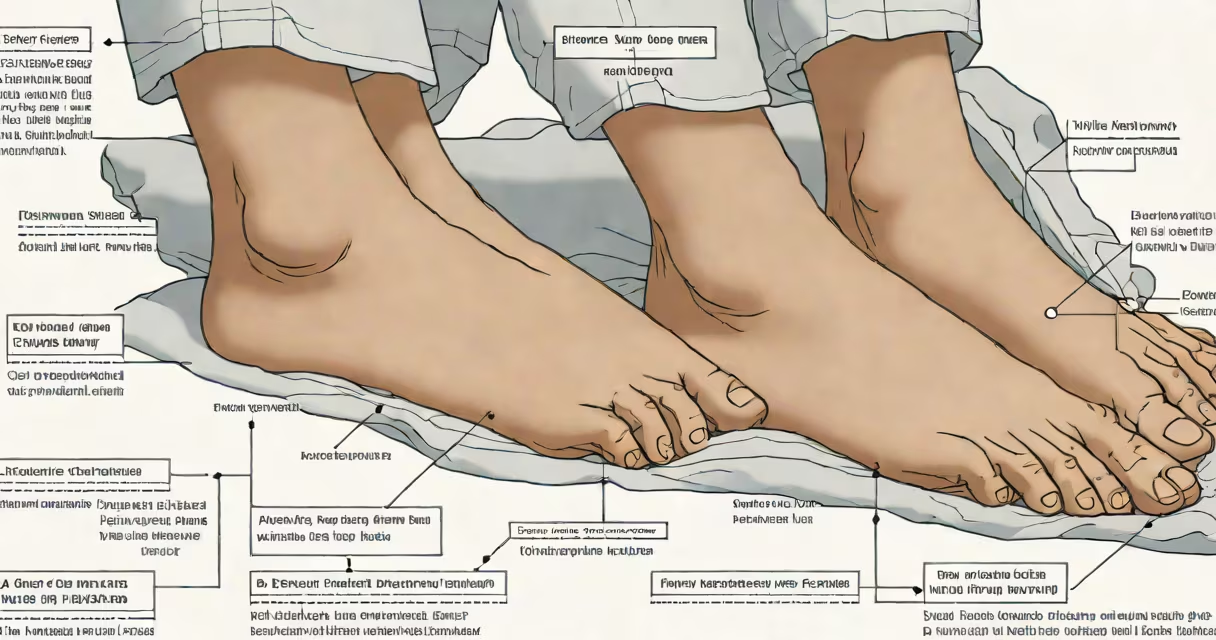
Swelling in the feet occurs when excess fluid accumulates in the tissues, typically due to gravity pulling fluid downward in the legs. This condition, known as peripheral edema, affects millions annually and can stem from lifestyle habits, medical conditions, or temporary physiological changes.
Fluid enters the interstitial spaces when capillary pressure exceeds the forces that normally pull fluid back into blood vessels. The most common triggers include extended standing, sitting with legs crossed, high sodium intake, hormonal shifts, and certain medications. In many cases, swelling resolves within hours after rest or elevation.
When swelling persists beyond 24 hours, worsens over time, or appears suddenly without clear cause, it may indicate an underlying issue such as venous insufficiency, lymphedema, kidney dysfunction, or heart failure. Recognizing patterns-such as swelling that improves with rest versus swelling that returns daily-is key to determining severity.
Swelling begins when tiny blood vessels called capillaries leak fluid into surrounding tissue. Normally, this fluid is reabsorbed or drained via the lymphatic system. When either process fails, fluid builds up. Gravity increases the effect in the lower limbs because blood must work against it to return to the heart.
Capillary leakage can be triggered by inflammation, injury, or increased hydrostatic pressure. For example, wearing tight shoes compresses veins and slows blood flow, increasing pressure inside vessels. This forces fluid out into tissues. Similarly, standing for long periods raises pressure in leg veins, leading to visible puffiness by evening.
A clinical sign called pitting edema confirms fluid accumulation: pressing a finger into the swollen area leaves a temporary dent. Non-pitting swelling-where the skin doesn't indent-suggests different causes, such as lymphatic obstruction or severe tissue fibrosis.
Foot swelling varies widely in origin. Some causes are benign and temporary; others signal serious illness. Understanding the context helps determine urgency.
| Type | Typical Triggers | Duration | Red Flags |
|---|---|---|---|
| Lifestyle-related | Prolonged standing, high salt intake, tight footwear | Hours to days | Resolves with rest or elevation |
| Pregnancy-related | Hormonal changes, increased blood volume, pressure on pelvic veins | Second and third trimester | Worsens with time, may affect hands or face |
| Medication-induced | Calcium channel blockers, NSAIDs, steroids | Days to weeks | Starts after beginning new medication |
| Chronic disease-related | Heart failure, kidney disease, liver cirrhosis | Persistent or worsening | Accompanied by shortness of breath, fatigue, weight gain |
One non-obvious distinction: swelling from heart failure often starts in the feet and spreads upward, while kidney-related swelling tends to begin around the eyes and move down. This pattern helps clinicians narrow diagnoses.
According to the American Heart Association, bilateral foot swelling in adults over 50 is linked to a 2.3-fold higher risk of developing heart failure within five years, even when other symptoms are absent. Early detection through routine checks can prevent hospitalization.
Swelling that lasts more than two days despite rest, elevation, or reducing salt intake warrants evaluation. Sudden onset-especially with pain, redness, warmth, or fever-may indicate infection or deep vein thrombosis (DVT).
DVT is dangerous because a clot can break loose and travel to the lungs, causing pulmonary embolism. Symptoms include calf tenderness, swelling in one leg only, and a feeling of heaviness. The Centers for Disease Control and Prevention notes that DVT affects about 900,000 people annually in the U.S., with 100,000 deaths each year.
I once observed a patient who ignored mild foot swelling for six weeks. She reported no pain but noticed her shoe size had increased. A Doppler ultrasound revealed a clot in her left calf. After anticoagulant treatment, swelling resolved in ten days. This case illustrates how subtle signs can mask life-threatening conditions.
People frequently mistake foot swelling for normal aging or poor circulation. But swelling is not inevitable with age. While circulation declines slightly after 40, significant edema requires investigation.
Another misconception: swelling always indicates fluid retention. In reality, some forms involve protein loss or immune activation. For example, nephrotic syndrome causes severe swelling due to low albumin levels, not excess fluid. Diagnosis requires blood tests and urine analysis.
Some assume swelling during pregnancy is harmless. While mild swelling is common, rapid or asymmetric swelling-especially with headaches, vision changes, or upper abdominal pain-can signal preeclampsia, a potentially fatal condition. The American College of Obstetricians and Gynecologists recommends immediate evaluation for any new swelling after 20 weeks of gestation.
Simple strategies reduce swelling in most cases. Elevating feet above heart level for 20 minutes twice daily decreases venous pressure. Compression socks apply graduated pressure to improve blood return.
Limiting sodium intake to under 2,300 mg per day-about one teaspoon of salt-reduces fluid retention. The National Kidney Foundation states that reducing salt intake can decrease edema by up to 30% in individuals with early-stage kidney disease.
If swelling persists, a doctor may prescribe diuretics. These medications increase urine output, removing excess fluid. However, they require monitoring due to risks of dehydration and electrolyte imbalance.
Understanding why feet get swollen begins with recognizing that fluid buildup is a symptom, not a diagnosis. Identifying the root cause-whether lifestyle, medication, or disease-determines effective action. Ignoring recurring swelling increases the risk of complications, including skin breakdown, infection, and reduced mobility.
Swelling in the feet is not a minor inconvenience for everyone. It's a warning sign. When it happens regularly, it's time to look deeper.