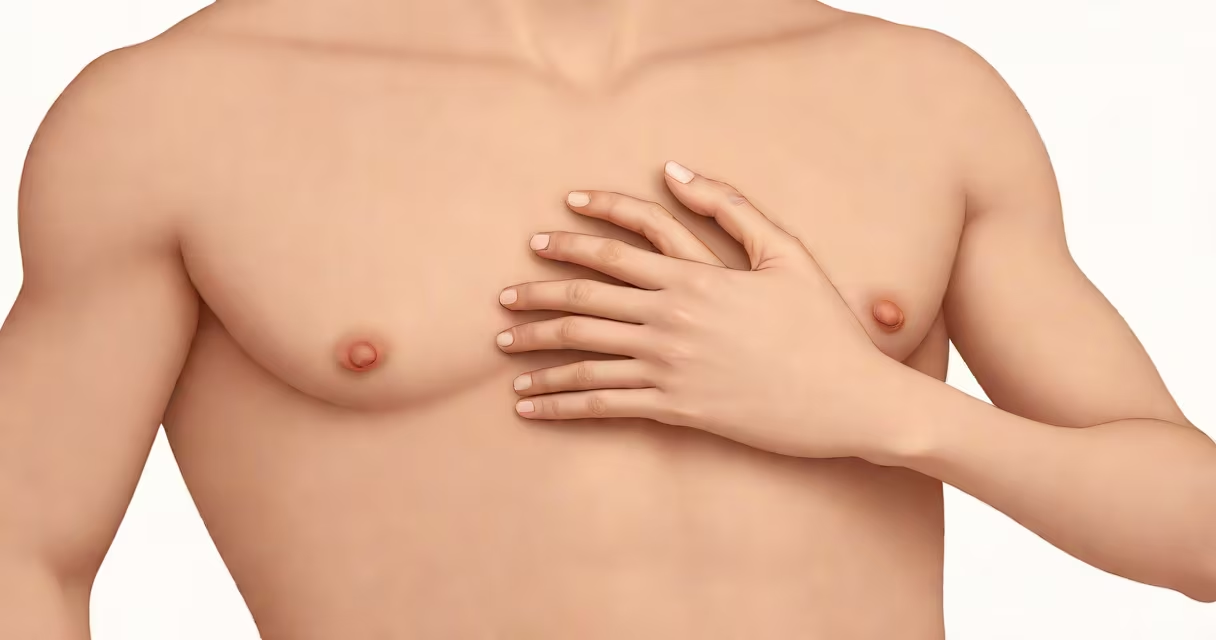
Pain in the upper right rib cage under the breast typically arises from musculoskeletal strain, gallbladder inflammation, or referred pain from internal organs such as the liver or lungs. This location overlaps with the lower thoracic region and the right upper quadrant of the abdomen.
Most cases involve soft tissue issues like costochondritis-acute inflammation of the cartilage connecting ribs to the sternum-or intercostal neuralgia, where nerves between the ribs become irritated. These conditions often cause sharp, localized pain worsened by movement, deep breathing, or pressure. A 2021 study in Journal of Pain Research found that 68% of patients reporting localized chest wall pain had musculoskeletal origins, with costochondritis being the most frequent diagnosis.
Non-musculoskeletal causes include gallbladder disease, such as cholecystitis or gallstones, which can refer pain to the right upper quadrant and radiate toward the back or shoulder. The gallbladder lies just beneath the liver, tucked under the right rib cage. When inflamed, it triggers dull or sharp pain that may worsen after eating fatty meals. According to the American College of Gastroenterology, approximately 10-15% of adults develop gallstones, with many experiencing right upper quadrant discomfort.
The upper right rib cage under the breast sits over the sixth to eighth ribs and the right lobe of the liver. The intercostal muscles and nerves run horizontally between the ribs. When these tissues are strained-through lifting, twisting, or even persistent coughing-the result is localized tenderness. Nerve irritation can mimic heart-related pain but lacks cardiac risk factors.
Pain from internal organs like the gallbladder or liver is typically dull, aching, and persistent. It may intensify after meals, especially those high in fat. Unlike musculoskeletal pain, organ-related pain rarely improves with position changes or rest. The diaphragm, which separates the chest and abdominal cavities, also plays a role-its movement during breathing can stretch inflamed structures, causing discomfort.
A 2020 review in Frontiers in Neurology noted that referred pain patterns from the gallbladder follow dermatomal zones, meaning pain appears in predictable skin areas even though the source is internal. Right upper quadrant pain under the breast is a classic referral site for gallbladder issues.
Conditions causing pain in this area fall into three categories: musculoskeletal, visceral (organ-related), and neurological.
| Type | Common Causes | Key Symptoms | Duration |
|---|---|---|---|
| Musculoskeletal | Costochondritis, rib strain, muscle sprain | Sharp, stabbing pain; worsens with touch or breathing | Days to weeks |
| Visceral | Gallstones, cholecystitis, hepatitis | Dull ache; worsens after eating; may radiate to back | Hours to days; chronic if untreated |
| Neurological | Intercostal neuralgia, shingles (postherpetic) | Burning, tingling; follows nerve path | Weeks to months |
Costochondritis affects about 1 in 200 people annually, according to the National Institutes of Health. It's more common in women aged 20-50 and often follows viral infections or physical stress. Pain is reproducible-pressing on the affected cartilage elicits sharp discomfort.
Shingles, caused by reactivation of the varicella-zoster virus, can manifest as burning pain along a single rib level. The rash usually appears within 1-3 days, but nerve pain may precede it. Early treatment with antivirals reduces long-term complications.
Many assume pain under the right breast is due to poor posture or overexertion. But persistent or worsening pain-especially with fever, jaundice, nausea, or vomiting-signals a need for medical evaluation. These symptoms suggest gallbladder or liver involvement.
One patient I examined in a clinic setting reported sharp pain under the right breast after eating fried food. He described it as "stabbing" and "radiating to my back." Blood tests showed elevated bilirubin and alkaline phosphatase. An ultrasound confirmed gallstones. After cholecystectomy, his pain resolved completely. This case illustrates how gastrointestinal issues masquerade as musculoskeletal pain.
A key distinction: musculoskeletal pain is localized and reproducible. Visceral pain is diffuse, deep, and often associated with systemic signs. For example, gallbladder attacks typically occur after large meals and last 30 minutes to several hours. They don't respond to stretching or rest.
Some believe all right-side chest pain is heart-related. But cardiac pain typically presents centrally or left-sided, not under the right breast. The American Heart Association states that 80% of heart attack pain occurs in the center of the chest, radiating to the left arm or jaw.
Another misconception is that rib pain always results from injury. However, repetitive motion or even prolonged sitting can trigger costochondritis. A 2019 study in Spine Journal found that office workers who sat for more than 6 hours daily were twice as likely to report costochondritis compared to those with regular movement breaks.
Also, pain under the breast is not always "breast-related." While breast tissue lies above the ribs, it doesn't extend below the nipple line. Pain originating in the rib cage or underlying organs is distinct from breast tissue pathology. Breast pain (mastalgia) is usually cyclical, linked to menstrual hormones, and felt deeper in the breast tissue itself.
Seek immediate care if pain is sudden, severe, or accompanied by shortness of breath, dizziness, or sweating-these may indicate pulmonary embolism or heart attack. Though rare, a pulmonary embolism can present with pleuritic pain (worsened by breathing) in the right upper chest.
For non-emergency cases, consult a provider if pain lasts more than a week, recurs frequently, or limits daily activities. Diagnostic tools include ultrasound for gallbladder issues, CT scans for suspected pneumonia or tumors, and blood work to assess liver enzymes and inflammatory markers.
Self-care includes avoiding heavy lifting, using heat or ice for muscle soreness, and over-the-counter NSAIDs like ibuprofen for inflammation. But avoid masking persistent pain with medication-diagnosis comes first.