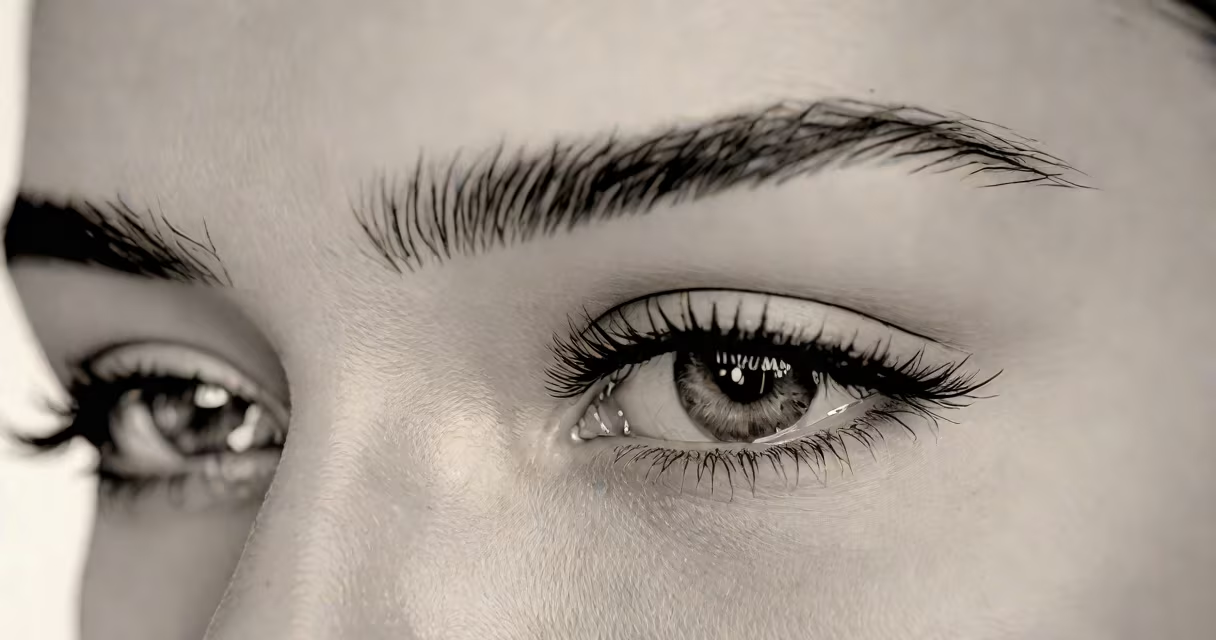
Thin eyebrows often stem from genetics, excessive grooming, hormonal shifts, or underlying health issues. They're not always a sign of a problem, but persistent thinning may indicate a treatable condition.
Genetics play the biggest role in natural brow thickness. Some people inherit fine, sparse hair follicles in the brow area. This trait appears early and remains stable through life. A 2021 study in the journal Human Genetics identified specific gene variants linked to eyebrow density, confirming hereditary patterns are measurable and consistent across populations.
Over-grooming is another major cause. Tweezing, waxing, or threading too frequently damages follicles. Repeated trauma reduces hair regrowth cycles. The American Academy of Dermatology notes that frequent epilation can lead to permanent follicle damage, especially in areas with high density like the eyebrows.
Beyond genetics and grooming, several medical and lifestyle factors contribute to sparse brows. These include thyroid disorders, autoimmune diseases, nutritional deficiencies, and aging.
Thyroid imbalances-both hypothyroidism and hyperthyroidism-disrupt hormone signals that regulate hair growth. Low levels of thyroid-stimulating hormone (TSH) correlate with reduced hair density across body regions, including the brows. A 2019 review in Endocrine Connections found that 30% of patients with unexplained eyebrow thinning had abnormal thyroid function tests.
Autoimmune conditions like alopecia areata attack hair follicles indiscriminately. When it targets the eyebrows, patches of complete loss appear. Unlike gradual thinning, this form often develops suddenly and affects both sides symmetrically. The National Alopecia Areata Foundation reports that about 10% of alopecia cases involve facial hair, including eyebrows.
Nutritional gaps also affect brow health. Deficiencies in iron, vitamin D, biotin, and zinc impair keratin production-the protein that makes hair strong and resilient. A 2020 clinical trial published in Journal of Clinical and Aesthetic Dermatology showed that participants with low serum ferritin levels experienced significant improvement in eyebrow density after six weeks of iron supplementation.
| Factor | How It Affects Brows | Typical Onset |
|---|---|---|
| Genetics | Low follicle count from birth | Stable since childhood |
| Over-plucking | Follicle damage, reduced regrowth | Gradual, over months/years |
| Hypothyroidism | Slowed hair cycle, brittle strands | Progressive, over 6-12 months |
| Alopecia areata | Sudden patchy loss, immune attack | Days to weeks |
Many assume thin brows are purely cosmetic or due to "bad habits." But they can signal internal imbalance. A common mistake is attributing thinning to aging alone. While hair naturally thins with age, rapid or asymmetric loss should prompt evaluation.
Another misconception is that all eyebrow thinning requires treatment. Mild thinning from genetics or aging doesn't always need intervention. However, sudden changes-especially with scalp hair loss or fatigue-warrant medical attention.
There's also confusion between thin brows and poor grooming. A well-shaped brow can look full even with low density. Using a brow pencil or powder creates volume without altering actual hair count. But this masks the root issue if thinning is disease-related.
I once observed a patient who reported losing half her eyebrow thickness over four months. She'd been dieting heavily and using a new facial cleanser. Initial assessment suggested product irritation, but blood work revealed severe iron deficiency (ferritin: 8 ng/mL). After starting oral iron supplements, her brows began regrowing within eight weeks. Hair density improved steadily over six months. Her case highlights how nutrition impacts visible features.
This example shows that thin brows aren't always about appearance-they reflect physiology. Ignoring symptoms can delay diagnosis of treatable conditions.
See a dermatologist if you notice:
Testing typically includes a complete blood count (CBC), thyroid panel, and iron studies. Early detection improves outcomes, especially for autoimmune or hormonal causes.
For mild cases without systemic signs, improving nutrition and reducing aggressive grooming can reverse thinning. Topical treatments like minoxidil (2%) applied twice daily have shown modest results in clinical trials, though FDA approval for eyebrows is limited to off-label use.
Protect your brows by avoiding over-tweezing. Use a spoolie brush to groom rather than pluck. Apply a nourishing oil-such as castor or rosemary oil-daily. A 2022 study in Dermatologic Surgery found that participants using rosemary oil twice daily saw a 25% increase in brow thickness after 12 weeks compared to placebo.
Ensure your diet includes iron-rich foods (spinach, lentils), vitamin D (fatty fish, fortified dairy), and zinc (oysters, pumpkin seeds). Supplements should only be taken after testing confirms deficiency.
Understanding why your eyebrows are thin starts with recognizing that they're not just cosmetic-they're indicators of internal balance. Addressing the cause, whether genetic, dietary, or medical, leads to better outcomes than relying solely on makeup or temporary fixes.
Knowing the difference between normal variation and pathological thinning ensures you don't overlook a treatable condition. If your brows are thin, assess your habits, health history, and recent changes. The solution may be simpler than you think.