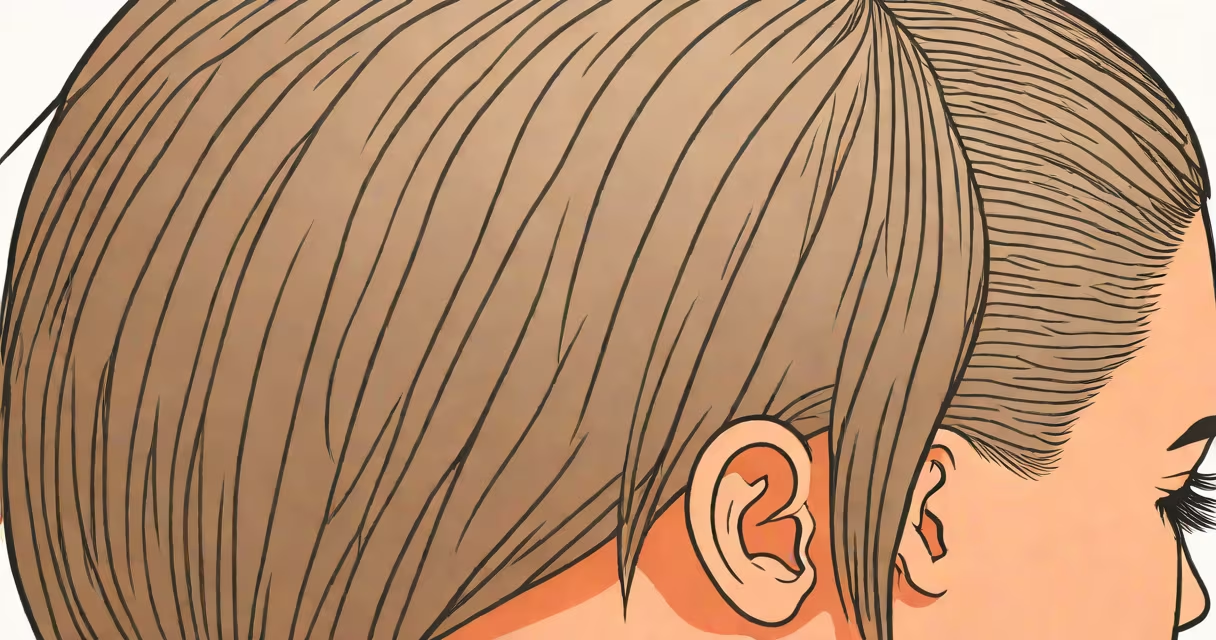
Dihydrotestosterone (DHT), a derivative of testosterone, is the primary hormone linked to hair loss in women. Elevated DHT levels bind to receptors in hair follicles, shrinking them and shortening the growth phase, leading to thinner, shorter strands and eventual shedding.
DHT is produced when the enzyme 5-alpha-reductase converts testosterone into DHT. While men produce higher baseline levels, women also generate DHT-especially during hormonal shifts such as pregnancy, postpartum, perimenopause, or with conditions like polycystic ovary syndrome (PCOS). In genetically predisposed individuals, DHT disrupts the normal hair cycle, reducing follicle size and increasing the proportion of hairs in the resting (telogen) phase.
According to the American Academy of Dermatology, up to 50% of women over age 65 experience some degree of female pattern hair loss, often driven by DHT sensitivity. This condition differs from male pattern baldness in distribution-women typically see thinning at the part line and crown rather than receding temples.
When DHT binds to androgen receptors in scalp follicles, it triggers a process called miniaturization. Over time, the follicle becomes smaller, producing finer, weaker hairs until it stops growing altogether. The result is diffuse thinning, especially in the central and frontal areas of the scalp.
This mechanism is not unique to women. Men also experience DHT-driven hair loss, but the pattern differs due to differences in receptor density and hormone balance. In women, the threshold for DHT sensitivity is lower, meaning even modest increases can trigger visible thinning.
A 2021 study published in the Journal of Clinical Endocrinology & Metabolism found that women with androgenetic alopecia had higher DHT levels in scalp tissue compared to controls, even when blood levels were within normal ranges. This suggests local conversion of testosterone to DHT in the scalp may be more critical than systemic levels.
Not all hair loss in women stems from DHT. Other hormonal imbalances contribute, but DHT remains the most consistent factor in progressive thinning. The following table outlines the main types:
| Type | Primary Hormone Involved | Common Triggers | Typical Pattern |
|---|---|---|---|
| Female Pattern Hair Loss (FPHL) | DHT (androgenic) | Genetics, PCOS, perimenopause | Diffuse thinning at part line and crown |
| Postpartum Hair Loss | Estrogen drop | After childbirth (3-6 months post-delivery) | Generalized shedding, not patchy |
| Thyroid-Related Loss | Thyroxine imbalance | Hypothyroidism, hyperthyroidism | Widespread thinning, often with brittle hair |
| Stress-Induced (Telogen Effluvium) | Cortisol surge | Illness, surgery, emotional trauma | Sudden shedding 2-4 months after stress event |
While all four types cause hair shedding, only FPHL involves DHT as a direct driver. The others stem from temporary shifts in hormone levels that normalize over time, though recovery can take 6-12 months.
Many assume hair loss in women is purely genetic. But genetics influence susceptibility-not causation. A woman with a family history of thinning may still avoid symptoms without hormonal triggers. Conversely, someone with no family history can develop significant thinning due to elevated DHT.
Another misconception is that high testosterone always causes hair loss. In reality, many women with PCOS have elevated testosterone but do not lose hair. The key factor is DHT sensitivity, not total testosterone levels. Some women respond to DHT even at normal testosterone concentrations.
One underreported fact: DHT's impact varies by scalp region. The frontal and parietal areas are more sensitive to DHT than the occipital (back of the head). This explains why women often notice thinning at the center part line before other areas.
Consider a 38-year-old woman presenting with gradual thinning at her part line over 18 months. She reports no recent illness, stress, or weight changes. Blood tests show normal thyroid function and prolactin levels. Her free testosterone is within the normal range, but her DHT level is 2.3 ng/dL-above the typical upper limit of 1.8 ng/dL for premenopausal women.
Scalp biopsy confirms miniaturized follicles and increased DHT binding in the dermal papilla. She is diagnosed with androgenetic alopecia. Treatment includes topical minoxidil and spironolactone, which blocks androgen receptors. After six months, she reports reduced shedding and improved density in the affected area.
This case illustrates that DHT's role is measurable and treatable-even when serum testosterone appears normal.
If you're experiencing thinning at the part line or crown, especially with a family history of hair loss, consult a dermatologist. Blood tests for DHT, free testosterone, and SHBG (sex hormone-binding globulin) can clarify hormonal status. Scalp biopsies are reserved for ambiguous cases.
Topical treatments like minoxidil (5%) stimulate follicular activity. Anti-androgens such as spironolactone or finasteride (off-label in women) reduce DHT effects. Finasteride is not FDA-approved for women due to risks in pregnancy, but off-label use is documented in clinical guidelines.
For those seeking alternatives, low-level laser therapy (LLLT) devices have shown modest improvement in clinical trials. A 2020 study in the journal Dermatologic Surgery reported a 20% increase in hair count after 26 weeks of daily LLLT use.
Early intervention improves outcomes. Waiting until thinning is severe reduces treatment effectiveness. Addressing the root cause-whether DHT sensitivity or another hormonal shift-leads to better results than treating symptoms alone.
Understanding which hormone causes hair loss in women begins with recognizing DHT's role. It's not just about testosterone-it's about how the body converts and responds to it. Identifying this early allows targeted treatment, preserving hair density and confidence.