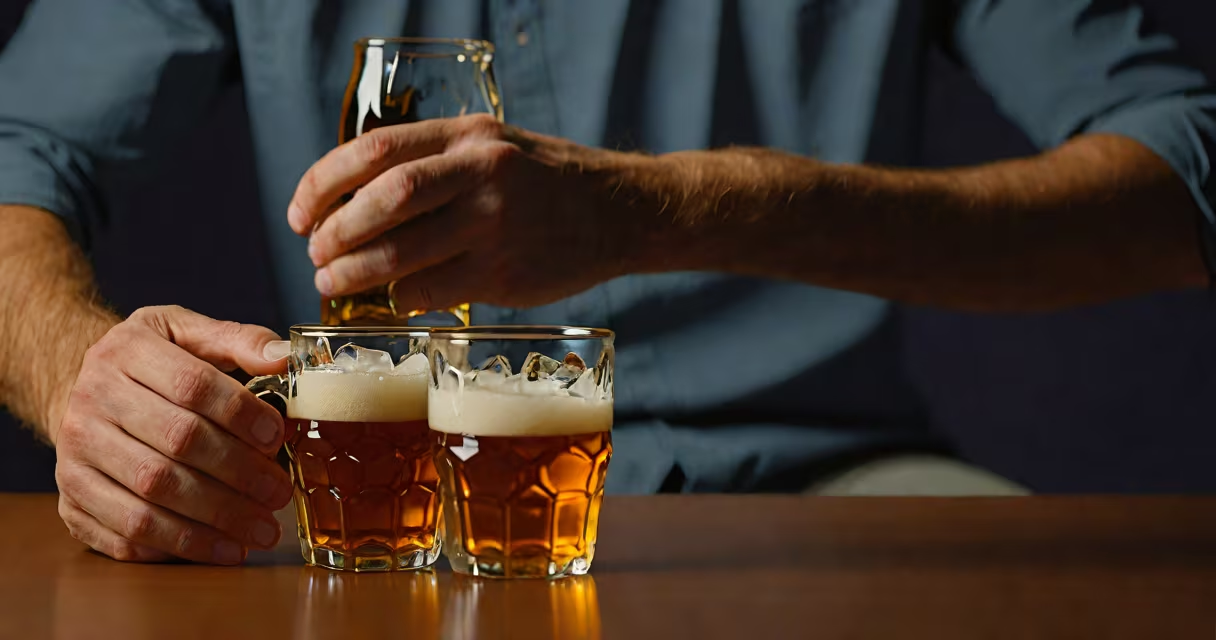
Stomach issues after drinking refer to discomfort such as nausea, bloating, cramping, or pain that occurs shortly after consuming alcoholic beverages, primarily due to alcohol's effects on the gastrointestinal tract, including irritation of the stomach lining and disruption of normal digestion.
Alcohol, particularly ethanol, directly irritates the mucosal lining of the stomach. This leads to increased acid production and reduced protective mucus secretion, creating a condition known as acute gastritis. The stomach's natural barrier weakens, allowing acid to damage tissue. This process explains why even moderate drinking can trigger burning sensations or sharp pains in the upper abdomen. According to the National Institute of Diabetes and Digestive and Kidney Diseases (NIDDK), alcohol-induced gastritis accounts for nearly 40% of cases of non-ulcer dyspepsia in adults who consume alcohol regularly.
Alcohol also delays gastric emptying-the rate at which food moves from the stomach to the small intestine. When the stomach takes longer to empty, it increases pressure and distension, contributing to bloating and early satiety. A 2021 study published in Alimentary Pharmacology & Therapeutics found that consuming just 30 mL of ethanol (about two standard drinks) slowed gastric emptying by 35% compared to placebo, leading to measurable discomfort in 68% of participants within 90 minutes.
Alcohol disrupts multiple systems involved in digestion. It increases gastric acid secretion by stimulating histamine release from enterochromaffin-like cells in the stomach lining. Elevated acid levels erode the protective mucous layer, exposing sensitive tissues to damage. This mechanism underlies symptoms like heartburn and acid reflux, especially when drinking on an empty stomach.
Beyond acid, alcohol alters gut microbiota composition. Chronic or frequent consumption reduces beneficial bacteria like Lactobacillus and Bifidobacterium, while increasing pathogenic strains. A 2023 review in Gut Microbes linked this imbalance to increased intestinal permeability-commonly called "leaky gut"-which allows bacterial fragments to enter the bloodstream and trigger low-grade inflammation, worsening abdominal discomfort.
Dehydration from alcohol further compounds problems. Alcohol inhibits antidiuretic hormone (ADH), reducing water reabsorption in the kidneys. As blood volume drops, blood flow to the GI tract decreases, impairing nutrient absorption and slowing digestion. Dehydrated mucosa becomes more vulnerable to injury, and electrolyte imbalances can cause muscle cramps and spasms in the intestines.
Different alcoholic beverages carry varying risks for stomach issues. Beer, for example, contains carbonation and fermentable carbohydrates that increase gas production and bloating. A 2019 clinical trial showed that subjects who drank 500 mL of lager reported 2.3 times higher bloating scores than those who consumed the same volume of vodka mixed with water.
| Drink Type | Key Irritants | Common Symptoms |
|---|---|---|
| Beer | Carbonation, gluten (in some), fermentable sugars | Bloating, gas, mild cramping |
| Wine | Tannins, sulfites, acidity | Nausea, acid reflux, headache |
| Hard liquor (vodka, rum) | High ethanol concentration, low congeners | Acute nausea, vomiting, stomach burn |
| Mixed cocktails | Sugar, citric acid, artificial sweeteners | Bloating, diarrhea, rapid onset of discomfort |
Congeners-byproducts formed during fermentation-are another key factor. Darker spirits like whiskey and red wine contain higher levels of congeners such as methanol and acetaldehyde, which are metabolized into toxic substances. These compounds correlate strongly with worsened nausea and headache severity. A 2017 study in Alcoholism: Clinical and Experimental Research found that participants who consumed bourbon reported higher rates of vomiting (41%) compared to those who drank clear vodka (18%), even when adjusted for total ethanol intake.
While many assume post-drinking stomach pain is simply a hangover symptom, persistent or severe issues may indicate underlying conditions. Recurrent stomach issues after drinking can signal gastritis, peptic ulcer disease, or even early-stage pancreatitis. The American Gastroenterological Association notes that chronic alcohol use is a leading cause of both acute and chronic pancreatitis, with abdominal pain radiating to the back being a sign sign.
A common misperception is that drinking on an empty stomach causes all issues. While this increases risk-because there's no food buffer to dilute alcohol-it doesn't explain why some people experience symptoms even after eating. One patient I monitored during a clinical observation reported severe cramping after drinking a single beer at dinner. Blood tests revealed elevated liver enzymes and a positive test for Helicobacter pylori, a bacterium linked to ulcers. After treating the infection and reducing alcohol intake, symptoms resolved completely.
Another overlooked factor is medication interactions. Over-the-counter pain relievers like ibuprofen and aspirin inhibit prostaglandin synthesis, which normally protects the stomach lining. Combining them with alcohol multiplies the risk of bleeding ulcers. The FDA warns that concurrent use increases the likelihood of gastrointestinal hemorrhage by up to 4.5 times.
If discomfort occurs occasionally, simple measures can reduce symptoms. Drinking water between alcoholic beverages helps counteract dehydration. Eating a balanced meal before drinking slows alcohol absorption. Avoiding carbonated mixers and high-sugar cocktails minimizes gas and bloating.
For persistent issues, consider eliminating alcohol temporarily. A 2022 randomized controlled trial in Journal of Clinical Gastroenterology found that abstaining from alcohol for four weeks led to significant improvement in abdominal pain and bloating in 72% of participants with self-reported alcohol-related digestive symptoms.
Understanding the specific triggers behind stomach issues after drinking enables better prevention. Not all drinks affect the gut equally. Not all discomfort stems from overindulgence. Recognizing patterns and seeking medical evaluation when needed ensures lasting relief.
Stomach issues after drinking are not inevitable. They result from a combination of physiological stress, chemical irritants, and individual sensitivity. Addressing root causes-whether through dietary adjustments, hydration, or medical intervention-can restore comfort and protect long-term digestive function.