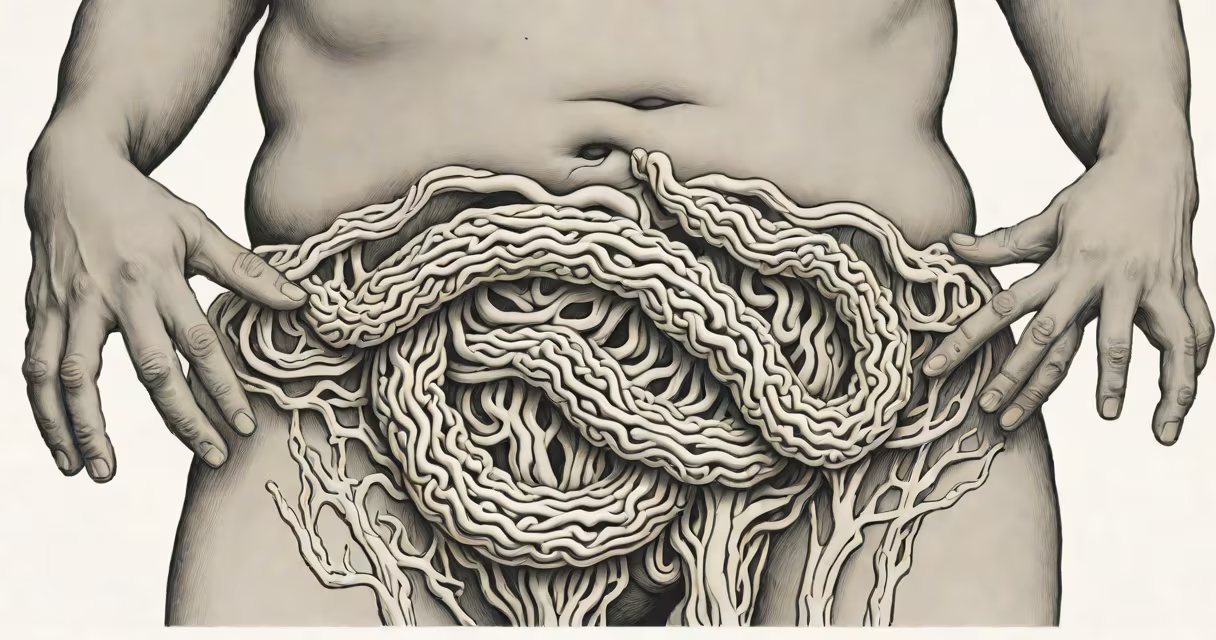
Clearing out your colon means supporting regular, efficient elimination of waste through the large intestine. This process improves digestive comfort and may reduce bloating, though it does not involve removing the colon itself. The goal is to promote consistent bowel movements using diet, hydration, and lifestyle habits backed by medical research.
The colon, or large intestine, is responsible for absorbing water and forming stool from undigested food. When waste moves too slowly, constipation can occur. The idea of "cleansing" often stems from a desire to relieve discomfort or improve gut health. However, the body naturally eliminates waste daily through normal bowel movements. There is no medical need to "clean" the colon beyond maintaining healthy habits.
Medical guidelines from the American Gastroenterological Association emphasize that routine colon cleansing is unnecessary for most people. Instead, they recommend focusing on fiber intake, hydration, and physical activity to support natural colon function. Extreme methods like enemas or fasting-based cleanses can disrupt gut bacteria and lead to dehydration or electrolyte imbalances.
The colon processes waste from the small intestine into solid stool. As food moves through the digestive tract, water is absorbed in the colon, turning liquid chyme into formed feces. Muscle contractions called peristalsis push stool toward the rectum. When the rectum fills, nerves signal the brain to initiate defecation.
When this system slows, stool becomes hard and difficult to pass. Common causes include low fiber intake, insufficient fluid consumption, lack of physical activity, and certain medications. Chronic constipation affects about 16% of adults in the U.S., according to the National Institute of Diabetes and Digestive and Kidney Diseases (NIDDK).
A single bowel movement per day is not required for good health. Normal frequency ranges from three times a day to three times a week. What matters is consistency and ease. Straining during bowel movements increases risk of hemorrhoids and anal fissures.
Commercial colon cleanses often claim to remove "toxins" or "built-up waste." These claims are not supported by evidence. The colon does not accumulate toxic sludge. Waste is eliminated regularly through normal bowel movements.
Many cleanses contain laxatives, herbal extracts, or fiber supplements. Some products include magnesium citrate, senna, or psyllium husk. While these ingredients can stimulate bowel movements, they do not "clean" the colon in a therapeutic sense. Overuse can cause dependency, diarrhea, or nutrient loss.
One study published in Alimentary Pharmacology & Therapeutics found that participants who used herbal colon cleanses reported more abdominal pain and bloating than those who used placebo. The researchers concluded that such products offer no measurable benefit over standard dietary changes.
Instead of extreme cleanses, focus on four key pillars: fiber, fluids, movement, and timing.
For example, a person consuming 15 grams of fiber daily may experience infrequent, hard stools. Increasing intake to 25 grams by adding a banana, a cup of lentils, and a serving of quinoa can normalize bowel patterns within 3-5 days.
When needed, short-term use of osmotic laxatives like polyethylene glycol (MiraLAX) is safe and effective. They draw water into the colon, softening stool. The FDA approves them for occasional use under label instructions.
Many people believe that colon cleanses improve energy, skin clarity, or mental focus. These effects are likely due to increased hydration and reduced bloating-not actual toxin removal. The liver and kidneys handle detoxification, not the colon.
Enemas and colonic irrigation pose risks. A 2019 case report in Journal of Clinical Gastroenterology described a patient who developed bowel perforation after a colonic procedure. Other complications include infection, electrolyte imbalance, and disruption of healthy gut microbiota.
Another myth is that fasting for several days clears the colon. Fasting reduces food intake but does not increase waste elimination. In fact, prolonged fasting can slow motility and lead to constipation upon resuming eating.
I once observed a client who used a 3-day juice cleanse followed by a colon hydrotherapy session. She reported temporary relief but experienced rebound constipation and fatigue afterward. Her doctor confirmed that her symptoms were linked to rapid shifts in diet and fluid balance.
Not all approaches are equal. Here's how common methods compare based on safety, effectiveness, and scientific backing.
| Method | Effectiveness | Safety | Scientific Support |
|---|---|---|---|
| Dietary fiber increase | High | Very high | Strong (NIDDK, 2022) |
| Increased water intake | Medium-high | Very high | Strong (American Journal of Clinical Nutrition, 2021) |
| Osmotic laxatives (e.g., MiraLAX) | High (short-term) | High | Strong (FDA-approved) |
| Colonic irrigation (colonic) | Low | Low | Negligible (no clinical trials show benefit) |
| Herbal cleanses | Low | Variable | Weak (some studies show side effects) |
Only dietary and hydration changes have consistent long-term benefits. Laxatives are acceptable for brief use but not for ongoing reliance.
Constipation lasting more than two weeks despite lifestyle changes warrants evaluation. Red flags include blood in stool, unexplained weight loss, abdominal pain, or alternating diarrhea and constipation.
These symptoms may indicate underlying conditions like irritable bowel syndrome (IBS), inflammatory bowel disease (IBD), or colorectal cancer. The American Cancer Society recommends screening for colorectal cancer starting at age 45.
There is no need to cleanse the colon beyond supporting natural elimination through balanced nutrition, adequate hydration, and regular movement. The safest way to maintain colon health is through consistent, evidence-based practices-not fad regimens.