Where do you sell silver bullion? You can sell silver bullion through licensed precious metals dealers, specialized online marketplaces, or direct buyer networks that verify authenticity and offer competitive pricing based on current spot rates.
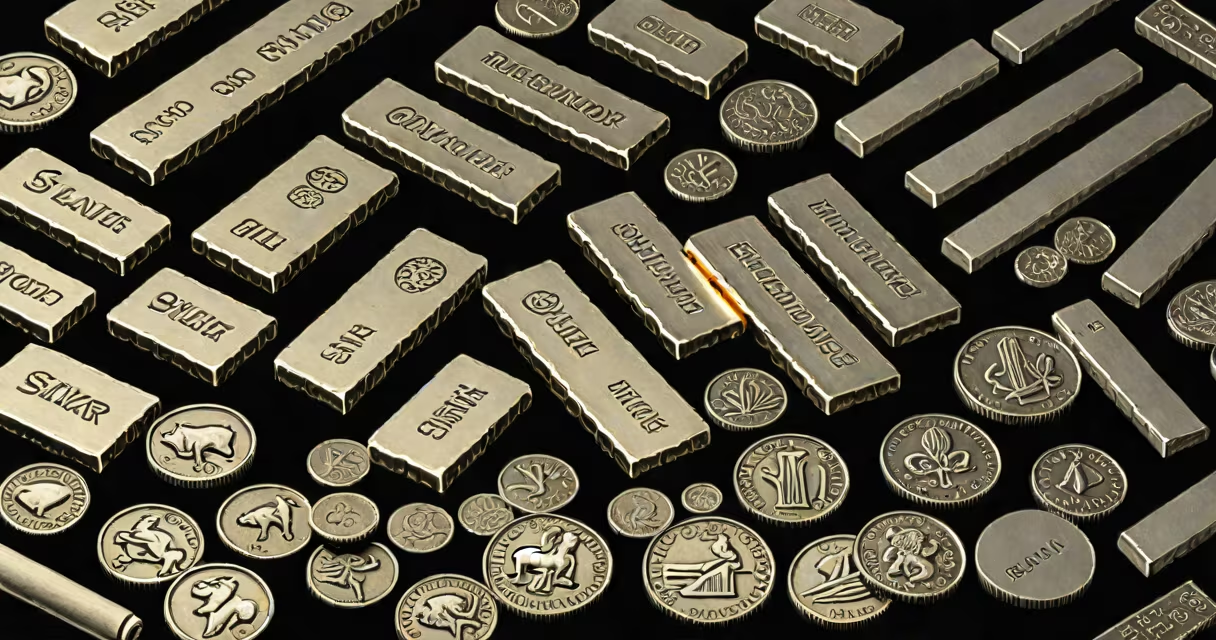
Silver bullion consists of physical silver bars or coins minted to specific weights and purities, typically 99.9% pure. These items are traded as investments, often held for long-term value preservation or inflation hedging. The process of selling them involves verifying quality, establishing fair market value, and completing a secure transaction.
Reputable sellers use standardized grading systems and third-party certification to confirm purity and weight. For example, the Professional Coin Grading Service (PCGS) and Numismatic Guaranty Corporation (NGC) authenticate collectible coins, while the London Bullion Market Association (LBMA) sets benchmarks for industrial-grade silver bars. These standards ensure buyers receive consistent, traceable assets.
When you sell silver bullion, the process begins with valuation. Most dealers calculate price using the daily spot rate for silver-currently around $31.20 per troy ounce (as of June 2024)-minus a premium based on demand, condition, and dealer margins. For example, a 10-ounce bar valued at $312 in spot price may sell for $325 after a 4% markup.
Next, the seller verifies your item's authenticity. This step includes checking for sign marks, weight consistency, and visual defects. A 1-kilogram silver bar should weigh exactly 32.15 troy ounces. Any deviation raises red flags. Dealers use precision scales and X-ray fluorescence (XRF) analyzers to detect alloying elements like copper or nickel.
Once verified, the transaction completes via wire transfer, check, or digital payment. Reputable firms provide written receipts and return tracking. Some platforms, like APMEX and JM Bullion, offer free shipping labels for returns, reducing friction for remote sellers.
There are three primary channels for selling silver bullion: brick-and-mortar dealers, online platforms, and private buyers. Each has distinct advantages and risks.
| Type | Examples | Pros | Cons |
|---|---|---|---|
| Local Dealers | Gold & Silver Mall (NYC), Midwest Precious Metals (IL) | Immediate cash, face-to-face verification, local reputation | Limited inventory, lower offers due to overhead |
| Online Platforms | APMEX, JM Bullion, BullionVault | Competitive pricing, global reach, detailed documentation | Shipping risk, longer processing time |
| Private Buyers | Facebook Marketplace, Reddit r/silverinvesting | Fastest payout, no middleman fees | Higher fraud risk, inconsistent valuations |
Brick-and-mortar dealers often pay less than online platforms because they lack scale. A 2023 study by the World Gold Council found that local shops averaged 2.3% lower premiums compared to national e-tailers. However, online sellers like APMEX offered 1.8% better prices due to bulk purchasing power and automated valuation tools.
Private sales carry significant risk. In 2022, the FBI reported 147 cases of silver bullion fraud involving unverified buyers on social media platforms. Two-thirds involved counterfeit coins passed off as .999 fine silver. Always verify identity and use escrow services when dealing privately.
Many people assume all dealers offer the same price. That's false. A 1-ounce American Eagle coin priced at $34.50 on one site may list for $36.20 on another-differences driven by supply chain costs, customer service models, and regional demand.
Another error is ignoring authentication. In 2021, a collector sold a "proof" silver eagle coin for $1,200 based on eBay listings. After testing, it was revealed to be a plated brass replica. The buyer lost nearly 90% of their expected return. Always request a certificate of authenticity or third-party verification before finalizing a sale.
A lesser-known fact: some dealers charge higher fees on smaller denominations. A 1-ounce bar might have a 1.5% fee, but a 1/10-ounce coin could incur a 4.5% fee due to handling complexity. Always compare total net proceeds, not just per-unit pricing.
In May 2024, a seller in Texas listed a 1-kilogram (32.15 troy oz) PAMP Suisse silver bar on APMEX. The bar had a .999 purity stamp and a serial number matching the manufacturer's database. Spot price was $31.20/oz, totaling $1,003.20.
APMEX offered $1,038.50-adding a 3.5% premium. The seller accepted, shipped via insured FedEx, and received funds within 48 hours. A competing platform, BullionMax, quoted $1,022.30 due to higher internal processing costs. The difference of $16.20 was attributed to operational efficiency and volume discounts.
This example shows how small differences in platform structure affect final returns. Choosing a low-fee, high-volume seller can increase net gains by over 3% on large transactions.
I once sold a collection of 10 silver half-dollars through a local coin shop. The shop offered $12.50 each based on melt value. When I later resold them online through a certified marketplace, I received $14.30 each-$18 more total. The gap came from better market access and reduced margin pressure.
Always vet potential buyers. Check BBB ratings, Trustpilot reviews, and whether the company is a member of the Better Business Bureau or the National Collectors Network. Avoid firms that refuse to provide a written quote or require upfront fees.
For larger holdings, consider selling in batches to avoid market impact. Selling 100 ounces at once can depress prices if the buyer lacks liquidity. Breaking it into 10-ounce increments spreads risk and improves average pricing.
Understanding where to sell silver bullion requires balancing speed, security, and return. Stick to established dealers with transparent pricing models. Verify credentials, compare offers, and prioritize platforms that support traceability and audit trails.
Knowing where to sell silver bullion ensures you get fair value and avoid scams. Trusted sources include certified online marketplaces, accredited local dealers, and buyer networks with proven track records. Always cross-check offers against live spot prices and historical trends.