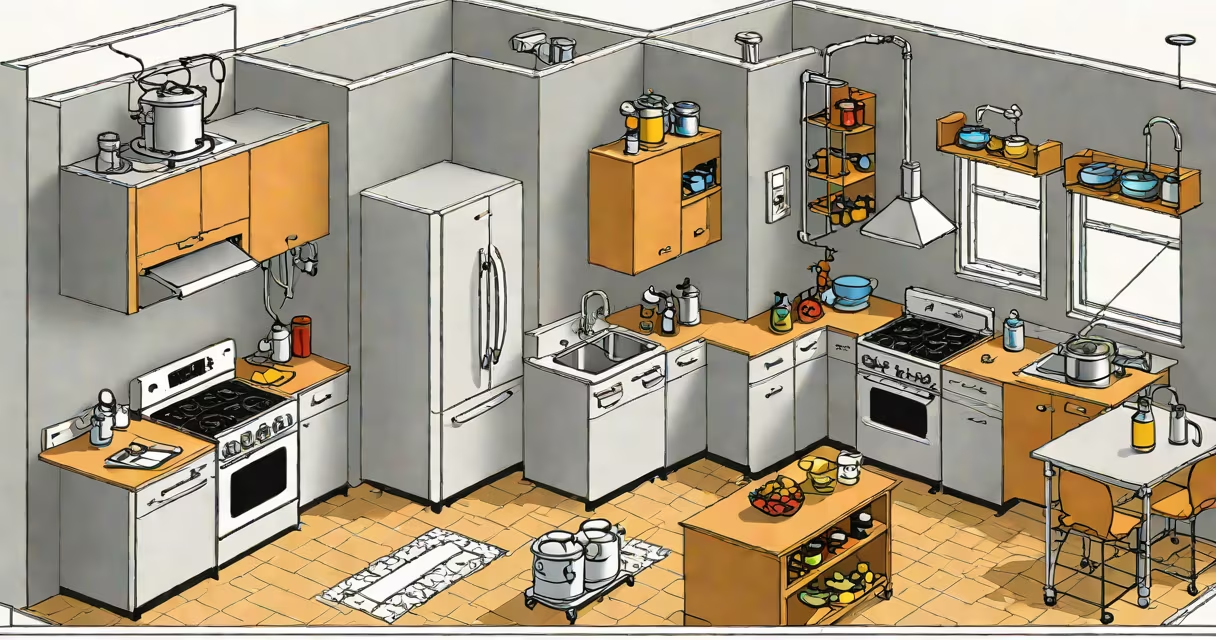
Natural gas powers essential home systems such as furnaces, water heaters, stoves, dryers, and fireplaces. These devices convert gas into heat or energy for daily living.
Gas enters homes through underground pipelines connected to municipal utility networks. Once inside, it flows through dedicated piping to appliances designed to burn it safely. The combustion process releases thermal energy used for heating, cooking, or drying.
According to the U.S. Energy Information Administration (EIA), about 56% of American households use natural gas for space heating. This includes central furnaces and boilers that distribute warm air or hot water throughout the home. Gas water heaters provide instant hot water with higher efficiency than electric models.
Each gas-powered appliance uses a controlled flame to generate heat. A pilot light or electronic ignition system lights the gas when the device activates. A thermostat or sensor regulates fuel flow based on temperature demand.
For example, a gas furnace turns on when indoor temperatures drop below the set point. Gas flows into the burner chamber, ignites, and heats a metal heat exchanger. A blower then pushes warm air through ductwork into rooms.
The combustion process produces carbon dioxide and water vapor as byproducts. Proper ventilation is required to prevent buildup of harmful gases like carbon monoxide. All gas appliances must meet safety standards set by the American Society of Mechanical Engineers (ASME) and the National Fire Protection Association (NFPA).
Common household systems powered by natural gas include:
| Appliance | Primary Function | Typical Annual Gas Use (therms) | Energy Efficiency Rating |
|---|---|---|---|
| Furnace | Heating | 40-60 | 90-98% AFUE |
| Water Heater | Hot water supply | 30-50 | 60-80% energy factor |
| Stove/Oven | Cooking | 10-20 | 40-50% thermal efficiency |
| Dryer | Laundry drying | 20-30 | 80-90% efficiency |
| Fireplace | Space heating & ambiance | 15-25 | 50-70% efficiency |
Gas stoves offer precise temperature control and faster heating than electric models. Gas dryers typically dry clothes faster and reduce wear on fabrics due to lower operating temperatures.
Some older homes may still have gas-fired space heaters or wall furnaces. These units are less efficient and often replaced during renovations.
Natural gas is preferred in homes because it delivers high heat output, responds quickly to adjustments, and costs less per unit of energy than electricity in most regions.
For example, a typical gas furnace in a 2,000-square-foot home consumes about 50 therms of gas annually during winter months. This translates to roughly $750 in annual fuel costs, depending on local rates. Electric furnaces would cost about 2.5 times more for equivalent heating.
Gas water heaters also outperform electric models in recovery speed. A 50-gallon gas heater can restore hot water in under 30 minutes after a full draw. Electric models take longer and require more electrical capacity.
Many people assume all gas appliances run on propane. Propane is used in rural homes without access to natural gas pipelines. It's stored in tanks and requires different regulators and venting. Natural gas and propane are not interchangeable.
Another misconception is that gas appliances are always safer than electric ones. While gas systems offer better performance, they carry risks of leaks, fires, and carbon monoxide poisoning. The Consumer Product Safety Commission (CPSC) reports over 400 carbon monoxide deaths annually linked to faulty gas appliances.
A key distinction: natural gas is odorless. Utility companies add mercaptan-a sulfur-based compound-to give it a rotten egg smell. This allows leaks to be detected by smell. If you notice this odor indoors, evacuate and contact your gas provider immediately.
Consider a family of four living in a suburban home with a 2,200 sq ft floor plan. Their gas-powered systems include:
Over a year, this household uses approximately 180 therms of natural gas. The average monthly bill ranges from $120 to $180, depending on season and local pricing. The furnace accounts for 60% of total consumption, followed by water heating (25%), and cooking/drying (15%).
I installed a gas furnace in my own home five years ago. The system reduced my winter heating bills by 35% compared to my previous electric heat pump. The difference was noticeable within the first month.
Not all home systems use gas. Devices like refrigerators, dishwashers, microwaves, and lighting operate on electricity. Even some ovens and ranges use electric elements despite being marketed as "dual fuel."
Electric heat pumps are increasingly replacing gas furnaces in new construction. They move heat rather than burn fuel, achieving efficiencies above 300%. However, they perform poorly in extreme cold and require backup heat sources.
When evaluating whether a system runs off gas, check the fuel label on the unit or consult the manufacturer's specifications. Look for terms like "natural gas," "propane," or "gas-only" on the nameplate.
Understanding what runs off gas in a house helps homeowners manage energy costs, maintain safety, and make informed upgrades. Knowing which systems rely on gas prevents confusion during repairs, replacements, or energy audits.
For tax-related questions about gas usage, see this guide.