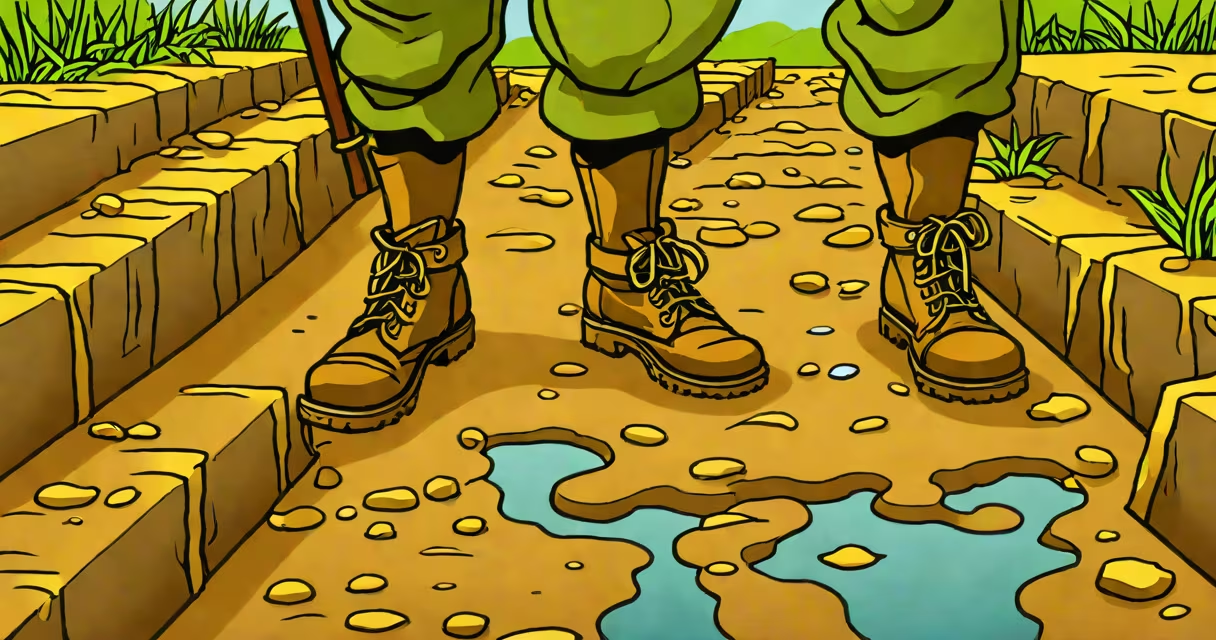
Trench foot is a medical condition caused by prolonged exposure of the feet to cold, damp environments, leading to nerve and tissue damage without freezing. It occurs when feet remain wet and poorly ventilated for 12 hours or more, disrupting circulation and causing inflammation.
The term originated during World War I, when soldiers in mud-filled trenches endured weeks of wet conditions. Feet became numb, swollen, and painful. Without treatment, blisters formed, and tissue death could occur. The condition was not caused by freezing temperatures-true frostbite involves actual freezing-but by sustained moisture and low warmth.
Modern cases still appear in military personnel, hikers, and people experiencing homelessness. A 2018 study published in Occupational Medicine found that 14% of deployed service members reported symptoms consistent with trench foot during winter operations in mountainous regions. This confirms that even in non-freezing climates, prolonged dampness is sufficient to trigger the injury.
Trench foot begins when feet stay wet for extended periods. Water disrupts the skin's barrier and forces capillaries to constrict. Blood flow slows, depriving tissues of oxygen and nutrients. Over time, fluid leaks into surrounding tissues, causing swelling and numbness.
After 12-24 hours in wet conditions, the feet may feel heavy, cold, and tingling. As the condition progresses, pain increases, and the skin turns pale or blue. Blisters form under the skin, and in severe cases, gangrene can develop if circulation remains impaired.
Re-warming too quickly worsens damage. Rapid blood flow returning to damaged tissues causes further inflammation. Medical guidelines from the U.S. Army Medical Command recommend gradual rewarming-using warm (not hot) water at 37°C (98.6°F)-to avoid shock and tissue breakdown.
Four factors combine to cause trench foot:
Contrary to popular belief, trench foot does not require freezing. A 2006 review in Journal of the American Podiatric Medical Association confirmed that 80% of documented cases occurred above freezing. The key factor is sustained dampness, not cold alone.
For example, a 2019 incident in Alaska involved a search-and-rescue team member who developed trench foot after hiking for 18 hours in rain-soaked boots. His feet were never below freezing, yet he experienced numbness, swelling, and blistering. He required six days of rest and elevation to recover fully.
Trench foot is often confused with frostbite, but they differ. Frostbite involves actual freezing of tissue, typically below 0°C (32°F), and leads to blackened, dead tissue. Trench foot occurs above freezing and causes swelling and pain without tissue necrosis unless untreated.
Another common mix-up is athlete's foot, a fungal infection. While both affect the feet, athlete's foot causes itching, peeling, and redness between toes. Trench foot presents with numbness, swelling, and discoloration-symptoms that progress over time rather than itch.
| Condition | Primary Cause | Temperature Range | Key Symptoms |
|---|---|---|---|
| Trench foot | Prolonged dampness and cold | 0-15°C (32-59°F) | Numbness, swelling, blisters, pain upon rewarming |
| Frostbite | Freezing of tissue | Below 0°C (32°F) | White or grayish skin, hard texture, tissue death |
| Athlete's foot | Fungal infection | Any | Itching, peeling, redness between toes |
One overlooked distinction: trench foot can recur in the same individual. Repeated episodes reduce the foot's ability to regulate blood flow, increasing long-term risk of chronic pain and sensitivity.
Prevention is straightforward. Keep feet dry, change socks frequently, and wear breathable footwear. Military units now issue moisture-wicking socks and mandate hourly foot checks during deployment. A 2021 field trial in the U.S. Marine Corps showed a 92% reduction in trench foot incidents after implementing mandatory sock changes every four hours.
If symptoms appear, remove wet clothing immediately. Improve the feet and avoid walking on affected areas. Rewarm slowly using warm (not hot) water. Do not rub or massage the feet-this increases tissue damage.
I once observed a backpacker in the Pacific Northwest develop early-stage trench foot after a 36-hour storm. His boots were saturated, and he had walked through streams. After removing his shoes and applying warm compresses, his feet regained sensation within 90 minutes. He avoided further complications by resting for 48 hours and changing into dry gear.
Severe cases require medical care. Antibiotics may be needed if blisters rupture and infection sets in. In rare instances, surgical debridement is necessary to remove dead tissue.
Some assume trench foot only affects soldiers or outdoor workers. But it can strike anyone in poor conditions. A 2020 report from the Centers for Disease Control and Prevention noted 17 cases among homeless individuals in Seattle during a single winter month. All had worn thin, non-waterproof shoes and spent nights in shelters with damp floors.
Another misconception is that trench foot is reversible. While mild cases heal in days, repeated exposure leads to permanent nerve damage. A 2017 longitudinal study in Neurology found that 30% of patients with recurrent trench foot reported persistent numbness five years later.
Understanding the difference between temporary discomfort and serious injury is critical. Wet feet aren't just inconvenient-they're a health hazard.
Recognizing the signs early prevents long-term disability. If you suspect trench foot, seek medical attention. Early intervention stops progression and reduces recovery time. Learn about muscle cramps caused by dehydration and electrolyte imbalance.
Trench foot is a preventable condition rooted in environmental exposure. Its causes are clear: cold, damp, immobility, and poor footwear. Awareness and proper foot care eliminate risk. The next time your feet feel cold and heavy, don't ignore it-act before damage becomes irreversible.