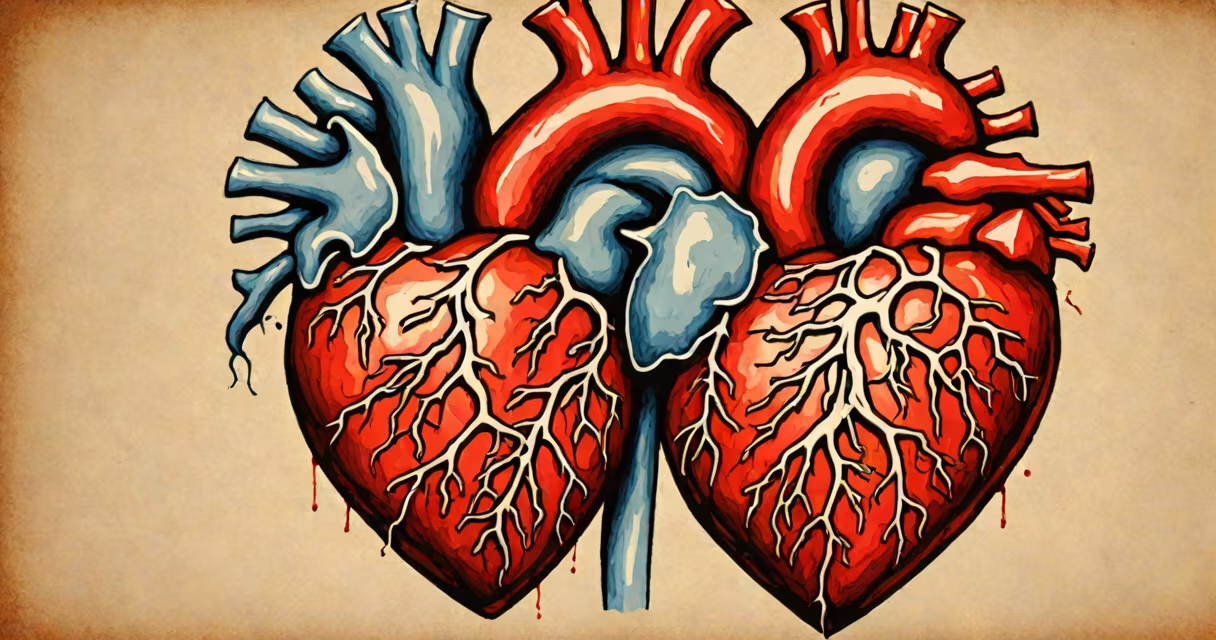
Angina pectoris is chest discomfort caused by reduced oxygen supply to the heart muscle due to narrowed or blocked coronary arteries. It typically occurs during physical exertion or emotional stress and resolves with rest or medication. The term comes from Latin, meaning "strangling pain in the chest."
Angina pectoris is not a heart attack, though it shares the same root cause: inadequate blood flow to the heart. When the coronary arteries narrow-usually from atherosclerosis-the heart muscle doesn't get enough oxygen-rich blood during increased demand. This mismatch triggers pain, often described as pressure, tightness, or heaviness behind the breastbone.
The American Heart Association defines angina as a symptom of coronary artery disease (CAD), affecting about 6 million adults in the U.S. It's not a diagnosis itself but a warning sign that the heart is under strain. Left untreated, angina increases the risk of heart attack, stroke, or sudden cardiac death.
During normal activity, the heart demands more oxygen. Healthy coronary arteries dilate to meet this need. But in people with CAD, plaque buildup narrows these vessels. During exercise or stress, the heart cannot increase blood flow sufficiently, leading to ischemia-oxygen deprivation in heart tissue.
Ischemia activates nerve endings in the heart wall. These send pain signals through the spinal cord to the brain, which interprets them as pain in the chest. The sensation may radiate to the left arm, jaw, neck, or back. Pain usually lasts 2-10 minutes and stops within 5 minutes of stopping activity or taking nitroglycerin.
A 2021 study in Circulation found that 78% of patients with stable angina reported pain lasting less than 10 minutes. Those with unstable angina had episodes lasting longer than 15 minutes and occurring at rest-signaling higher risk.
Angina pectoris is classified by pattern and stability. The main types are stable, unstable, and variant (Prinzmetal's).
| Type | Onset | Duration | Triggers | Risk Level |
|---|---|---|---|---|
| Stable angina | Consistent pattern | 2-10 min | Exercise, cold, stress | Low to moderate |
| Unstable angina | Unpredictable | >15 min | At rest, no clear trigger | High |
| Variant (Prinzmetal's) | At rest, often midnight | 5-30 min | Coronary spasm | Moderate to high |
Stable angina is predictable and manageable. Unstable angina is a medical emergency. It often precedes a heart attack and requires immediate hospitalization. Variant angina is rare-about 1% of cases-but can occur in younger individuals without traditional risk factors.
One key distinction missed by many online sources: unstable angina is not always accompanied by elevated cardiac enzymes. Unlike a heart attack, it does not involve irreversible heart muscle damage. Still, it indicates acute coronary syndrome and must be treated urgently.
Many confuse angina with indigestion or anxiety. Chest pain from acid reflux can mimic angina-burning behind the sternum, worsened by lying down. But angina typically improves with rest and worsens with exertion. Anxiety-related chest pain is often sharp, fleeting, and tied to panic attacks.
Another common error: assuming all chest pain is cardiac. A 2020 review in JAMA Internal Medicine showed that only 15% of patients presenting with chest pain have CAD. The rest have musculoskeletal, gastrointestinal, or pulmonary causes. However, because angina is a red flag for heart disease, any new or changing chest pain must be evaluated.
I once saw a patient who dismissed his chest tightness as "just stress." He'd had two episodes during a work meeting. After a 12-lead ECG and troponin test, he was diagnosed with unstable angina. He required angioplasty and stent placement. His story underscores that symptoms don't need to be severe to indicate danger.
Diagnosis begins with history and physical exam. Doctors assess risk factors: smoking, diabetes, hypertension, family history. If angina is suspected, testing includes electrocardiogram (ECG), stress testing, and coronary angiography.
A treadmill stress test measures heart function under load. If the ECG shows ST-segment depression during exercise, it suggests ischemia. For unclear results, a nuclear stress test or echocardiogram may follow.
Treatment focuses on reducing risk and relieving symptoms. Medications include nitrates (e.g., nitroglycerin), beta-blockers (e.g., metoprolol), calcium channel blockers (e.g., amlodipine), and antiplatelets (e.g., aspirin). Lifestyle changes-quitting smoking, managing blood pressure, regular walking-are essential.
For significant blockages, revascularization procedures like percutaneous coronary intervention (PCI) or coronary artery bypass grafting (CABG) may be needed. A 2022 meta-analysis in The Lancet found that PCI reduces recurrent angina in 73% of patients with single-vessel disease.
Any new or worsening chest pain should prompt immediate medical attention. Call 911 if pain lasts more than 5 minutes, spreads to the jaw or arm, or is accompanied by sweating, nausea, or shortness of breath.
Stable angina can be managed long-term with medication and lifestyle changes. But unstable angina is a warning sign of impending heart attack. Delaying care increases mortality risk by 30% within 30 days, according to the National Institutes of Health.
Understanding what is angina pectoris definition matters. It's not just a symptom-it's a signal. Recognizing it early can prevent life-threatening events. If you've experienced chest discomfort during activity, speak with a healthcare provider. Early diagnosis saves lives.