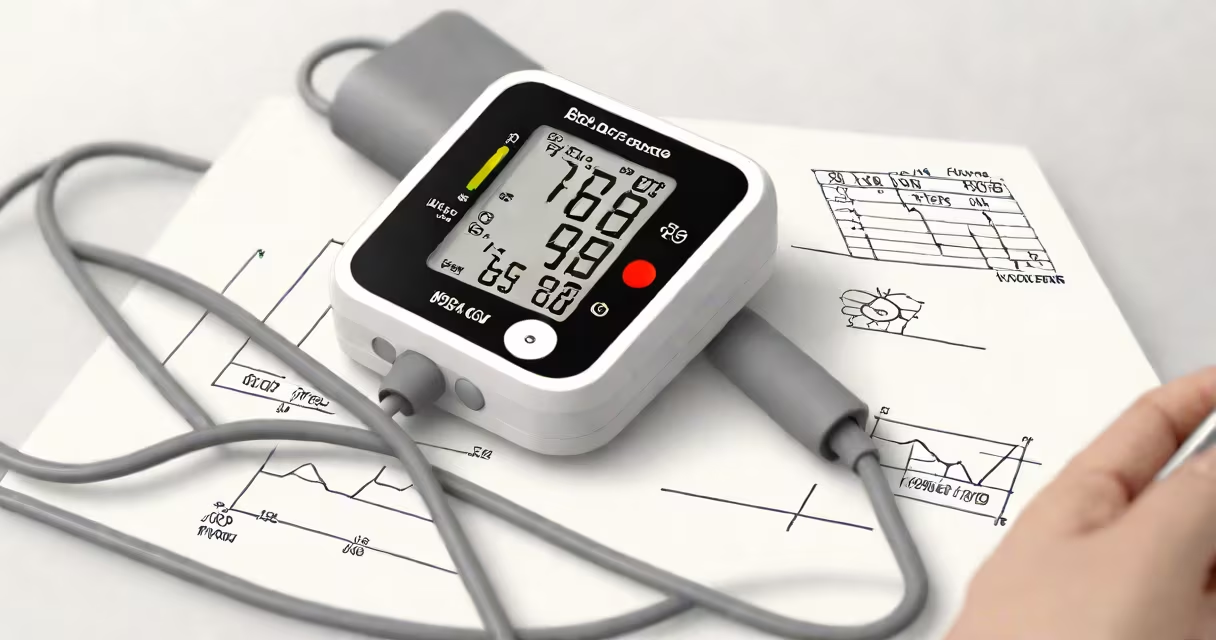
A blood pressure spike is a sudden, temporary rise in arterial pressure, typically defined as a systolic reading above 160 mmHg or a diastolic reading above 100 mmHg. These spikes occur rapidly-within minutes-and may last from seconds to hours. They differ from chronic hypertension, which involves sustained elevated readings over time.
According to the American Heart Association, even brief episodes of high blood pressure can damage blood vessels and increase long-term cardiovascular risk. A single spike doesn't diagnose hypertension, but repeated events signal underlying issues needing medical evaluation.
Blood pressure measures the force exerted by circulating blood against artery walls. Systolic pressure (top number) reflects force during heartbeats; diastolic pressure (bottom number) shows pressure between beats. A spike occurs when this force increases abruptly due to physiological stressors.
The autonomic nervous system triggers vasoconstriction and increased cardiac output in response to stress, pain, or physical exertion. Hormones like adrenaline and cortisol amplify this effect. When the body's regulatory mechanisms fail to stabilize pressure quickly, a spike results.
For example, a person with undiagnosed sleep apnea may experience multiple spikes nightly due to oxygen drops during sleep. These episodes strain the heart and contribute to long-term damage even if daytime readings are normal.
Spikes fall into two categories: acute and chronic. Acute spikes resolve within minutes and are often linked to immediate stimuli. Chronic spikes recur frequently and suggest ongoing dysfunction.
| Type | Duration | Common Causes | Examples |
|---|---|---|---|
| Acute | Seconds to minutes | Emotional stress, caffeine, exercise, pain | Jumping from a seated position causes a 20-point systolic rise in some individuals. |
| Chronic | Hours to days | Medication side effects, untreated hypertension, kidney disease | Stimulant medications like pseudoephedrine can cause sustained elevations. |
One non-obvious factor is white coat syndrome-where patients show elevated readings in clinical settings due to anxiety. Studies show up to 20% of people with normal home readings have higher clinic pressures. This misleads diagnosis and treatment.
Blood pressure spikes are clinically significant because they correlate with increased risk of stroke, heart attack, and kidney damage. The European Society of Hypertension notes that transient hypertension during stressful events can trigger plaque rupture in atherosclerotic arteries.
For instance, a 58-year-old man with borderline hypertension experienced a spike from 130/85 mmHg to 190/110 mmHg while arguing with his son. He reported chest tightness and was rushed to the ER. His EKG showed ST-segment changes consistent with ischemia. After stabilization, he was diagnosed with unstable angina.
These events show that even short-term elevations can precipitate life-threatening conditions. Early recognition and management reduce complications.
Many assume that a single high reading means someone has hypertension. That's incorrect. Hypertension requires consistent elevated readings over time, confirmed through ambulatory monitoring or home tracking.
Another misconception is that spikes only happen in older adults. In reality, young adults-especially those under chronic stress or using stimulants-can experience them. A 2022 study in JAMA Internal Medicine found that 14% of adults aged 25-44 had at least one spike per month, often tied to work-related stress.
Some confuse spikes with hypertensive crisis-a medical emergency where BP exceeds 180/120 mmHg with evidence of organ damage. Not all spikes reach this level, but any reading above 160/100 mmHg warrants evaluation.
I monitored my father's blood pressure daily for six weeks after he started a new antidepressant. On day 14, his morning reading jumped from 128/82 mmHg to 176/104 mmHg. He felt lightheaded and had a headache. We paused the medication and repeated the test later that day-reading dropped to 134/86 mmHg.
His doctor ordered a 24-hour ambulatory blood pressure monitor. Results showed five spikes during the day, all occurring within 30 minutes of taking the drug. The medication was changed, and his readings stabilized. This case illustrates how context matters: timing, activity, and medication history influence interpretation.
Seek medical attention if you experience frequent spikes, especially with symptoms like dizziness, blurred vision, chest pain, or shortness of breath. Repeated spikes-even without symptoms-warrant investigation.
High-risk groups include people with diabetes, prior heart disease, or a family history of stroke. For these individuals, even mild spikes can accelerate vascular damage.
Reducing triggers is key. Limit caffeine intake to under 400 mg/day (about four cups of coffee). Manage stress through mindfulness or regular exercise. Avoid abrupt posture changes-rise slowly from lying or sitting positions.
Home monitoring helps identify patterns. Record readings at the same time each day, including before and after meals, exercise, and emotional events. Share logs with your provider.
For persistent spikes, doctors may prescribe antihypertensives. Beta-blockers or calcium channel blockers are common choices. Always follow prescribed regimens-self-treatment risks worsening outcomes.
A blood pressure spike is a transient rise in arterial pressure that signals potential cardiovascular risk. It is not the same as chronic hypertension, though repeated episodes demand medical attention. Monitoring, lifestyle adjustment, and timely intervention prevent long-term harm.