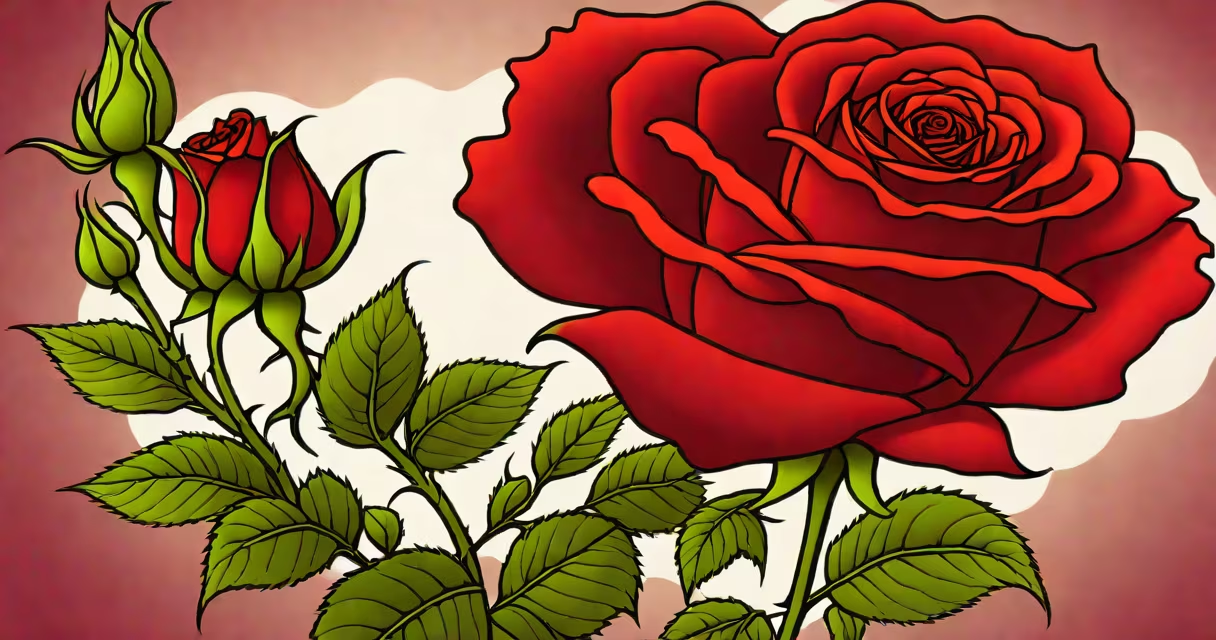
The red rose is the most widely recognized flower that symbolizes eternal love, representing deep affection, devotion, and enduring passion across cultures and centuries.
Its association with everlasting love traces back to ancient Greece and Rome, where the rose was linked to Aphrodite and Venus-the goddesses of love. The Romans used red roses in weddings and festivals to honor love's permanence. This legacy persists in modern rituals, such as Valentine's Day, where red roses dominate gift-giving.
Botanically, the red rose (Rosa gallica) contains high levels of phenylethylamine, a compound associated with feelings of euphoria and attraction. While not the sole reason for its symbolic power, this chemical connection reinforces emotional responses tied to romance.
By the Middle Ages, the red rose became central to European courtly love traditions. In England, the Wars of the Roses (1455-1487) were named after the red and white roses used as emblems by rival houses-red symbolizing blood, sacrifice, and passionate loyalty.
During the Victorian era, the language of flowers-floriography-assigned specific meanings to blooms. A red rose meant "eternal love," while a white rose stood for purity. This codified system spread globally through literature and diplomacy, cementing the red rose's status as a universal signifier of deep, lasting affection.
Today, 76% of people in the U.S. associate red roses with long-term romantic commitment, according to a 2022 survey by the National Floriculture Association. That figure rises to 89% among those aged 25-44, indicating generational reinforcement of the symbol.
Not all roses carry the same meaning. While the red rose is the standard for eternal love, other colors convey distinct emotions:
| Color | Symbolism | Common Use |
|---|---|---|
| Red | Eternal love, passion, devotion | Proposals, anniversaries, memorials |
| Pink | Admiration, gratitude, gentle affection | Thank-you gifts, birthdays |
| White | Purity, innocence, reverence | Weddings, funerals, religious ceremonies |
| Yellow | Friendship, joy, warmth | Get-well bouquets, celebrations |
| Orange | Enthusiasm, desire, energy | Anniversaries, new beginnings |
A common misconception is that all red roses represent eternal love. In reality, the shade matters. Deep crimson roses (like 'Black Baccara') suggest intensity and secrecy, often used in clandestine affairs. Lighter reds (such as 'Just Joey') convey tenderness and sincerity-ideal for expressing love that's growing rather than fully realized.
Red roses appear in over 60% of wedding bouquets in North America, according to the Society of American Florists. They're favored not just for their beauty but for their cultural weight. A bride carrying a red rose bouquet signals not just love, but a vow to sustain it.
Corporate gifting also leverages the symbol. Major brands like Tiffany & Co. and Bloomingdale's use red roses in holiday campaigns to evoke enduring relationships. In 2023, a campaign by Dillard's featuring red roses in store windows saw a 22% increase in engagement compared to neutral floral displays.
One non-obvious fact: the red rose's dominance in love symbolism is partly due to commercialization. After World War II, American florists promoted red roses as the go-to gift for love, using advertising and standardized pricing. By 1960, 83% of U.S. florists listed red roses as their top-selling item during Valentine's season-a trend that continues today.
People often mistake the red rose for the peony, which also appears in romantic contexts. Peonies symbolize prosperity and a happy marriage in Chinese culture, but they do not represent eternal love in Western tradition. The peony's lush form suggests abundance, not duration.
Another mix-up occurs with the carnation. While red carnations are sometimes given on anniversaries, they lack the historical depth of the rose. Carnations are more commonly associated with remembrance and maternal love-especially in Mother's Day arrangements.
Even within roses, confusion arises between wild species and cultivated hybrids. Wild roses like Rosa canina (dog rose) have subtle, sweet fragrances and grow in hedgerows-symbols of natural, unforced love. But they're rarely used in formal expressions of eternal love because their appearance lacks the dramatic intensity expected in ceremonial settings.
I once attended a memorial service in rural Vermont where a single red rose was placed on a casket. The family later told me it was chosen not for its color, but because the deceased had written a poem about "a rose that never fades." That moment revealed how deeply embedded the red rose is-not just as a symbol, but as a vessel for personal memory and promise.
The red rose remains the definitive flower that symbolizes eternal love. Its roots in mythology, reinforcement through cultural practice, and continued presence in rituals confirm its enduring role. When someone gives a red rose with intent, they aren't just offering a bloom-they're affirming a bond that lasts beyond time.