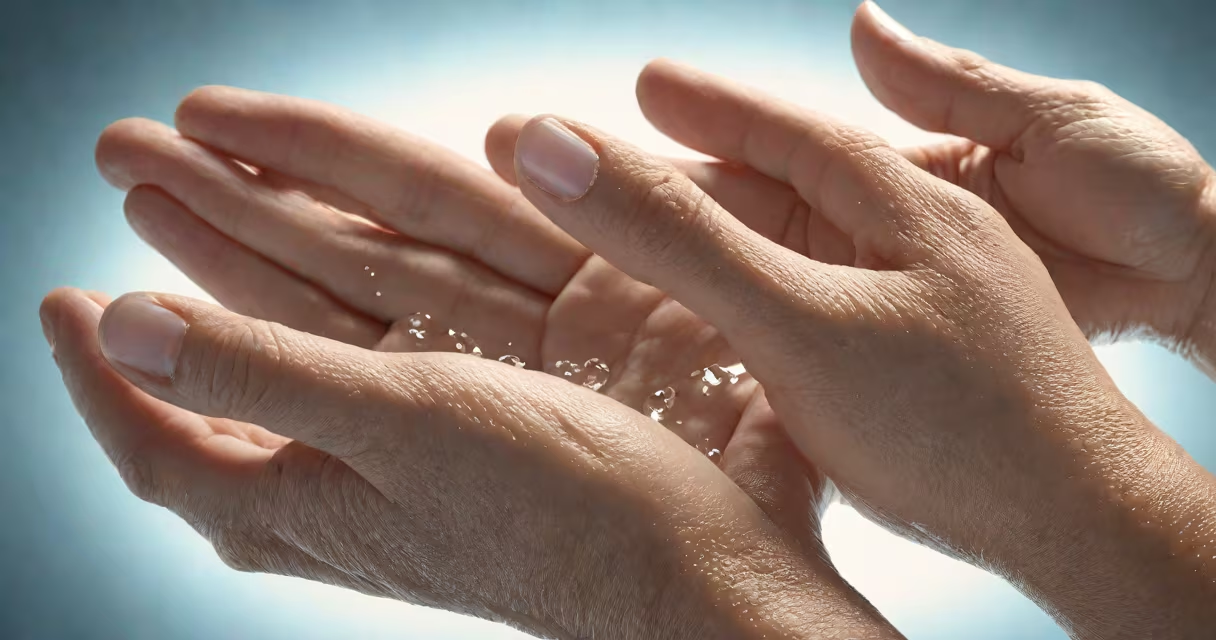
Excessive sweating, medically known as hyperhidrosis, occurs when sweat glands produce more sweat than needed for temperature regulation. It affects about 3% of the U.S. population and often begins in childhood or adolescence, persisting into adulthood.
Hyperhidrosis isn't just about discomfort-it can interfere with work, social interactions, and mental health. The condition typically targets the palms, soles, underarms, and face. Unlike normal sweating during heat or exercise, this sweating happens without clear triggers and may occur even in cool environments.
According to the American Academy of Dermatology, excessive sweating is not caused by poor hygiene or anxiety alone. It results from overactive eccrine sweat glands, which can be inherited or linked to neurological imbalances. The condition is treatable, and many people find relief through targeted interventions.
Sweat glands are controlled by the sympathetic nervous system. When triggered-by stress, heat, or certain foods-they release fluid to cool the skin. In hyperhidrosis, the nerves send signals too frequently or intensely, causing glands to overwork.
This overactivity isn't tied to actual body temperature. A person with axillary hyperhidrosis may sweat heavily during a quiet meeting, despite being in a climate-controlled room. The sweat volume can exceed 50 mL per hour in affected areas, far beyond the typical 1-2 mL/hour seen in healthy individuals.
Some cases stem from secondary causes such as thyroid disorders, diabetes, or menopause. But primary hyperhidrosis-where no underlying disease exists-is diagnosed in about 90% of cases. It's often genetic; if one parent has it, the child has a 50% chance of inheriting the trait.
Non-invasive treatments are usually tried first. Antiperspirants containing aluminum chloride (such as Drysol) block sweat ducts. Applied nightly to dry skin, they reduce underarm sweating by up to 80% in clinical trials. Results last several days, but side effects include skin irritation and staining of clothing.
Iontophoresis uses low-voltage electrical currents to temporarily disable sweat glands. Patients submerge hands or feet in water trays for 20-40 minutes, three times weekly. After four weeks, most see significant reduction. The FDA approves this method for palmar and plantar hyperhidrosis. A 2021 study in *Dermatologic Surgery* reported 76% of users experienced at least 50% improvement after six months.
Botox injections (onabotulinumtoxinA) block nerve signals to sweat glands. A single session lasts 4-6 months. For underarms, doctors inject 50-100 units per area. The procedure takes 15 minutes and has minimal downtime. A 2019 trial showed 92% of patients had reduced sweat production within two weeks.
For severe cases, oral medications like glycopyrrolate suppress sweat production systemically. They reduce sweating by 50-70%, but cause dry mouth, blurred vision, and constipation. These side effects limit long-term use.
Surgical options exist but are reserved for refractory cases. Endoscopic thoracic sympathectomy (ETS) cuts nerves controlling sweat glands. Success rates exceed 90%, but complications include compensatory sweating-excess sweating in other body areas. Up to 50% of patients report this, sometimes severely enough to require reversal surgery.
| Treatment | Duration | Effectiveness | Common Side Effects |
|---|---|---|---|
| Aluminum chloride antiperspirant | 3-7 days | 50-80% | Itching, redness, skin damage |
| Iontophoresis | 2-4 weeks (maintenance) | 70-80% | Minor skin irritation, tingling |
| Botox injections | 4-6 months | 80-95% | Pain at injection site, temporary muscle weakness |
| Oral glycopyrrolate | Days to weeks | 50-70% | Dry mouth, constipation, blurred vision |
| Endoscopic thoracic sympathectomy (ETS) | Permanent | 90%+ | Compensatory sweating (up to 50% of patients) |
Self-management fails when sweating disrupts daily routines. If you avoid handshakes, wear dark clothes to hide stains, or skip social events due to odor or dampness, medical evaluation is warranted.
Red flags include sudden onset after age 35, unilateral sweating (one side only), or sweating accompanied by weight loss, fever, or palpitations. These may indicate secondary hyperhidrosis from infection, cancer, or endocrine disorders.
I once treated a 22-year-old college student whose palms were so wet he couldn't hold a pen. He'd stopped attending classes. After three Botox sessions spaced six weeks apart, his grip strength returned, and he resumed in-person learning. His confidence improved within a month.
Many assume excessive sweating is just "bad hygiene." That's incorrect. Sweat itself is odorless. Body odor arises when bacteria break down sweat proteins. People with hyperhidrosis don't smell worse unless they neglect cleaning.
Another myth: "It will go away on its own." While rare, spontaneous remission occurs in less than 10% of cases. Most people see no improvement without treatment. Delaying care increases psychological burden and reduces quality of life.
Some confuse hyperhidrosis with generalized anxiety disorder. While stress worsens symptoms, the two aren't interchangeable. Anxiety can trigger sweating, but hyperhidrosis persists regardless of emotional state.
Also, not all sweat is equal. Eccrine glands produce clear, watery sweat for cooling. Apocrine glands, found in armpits and groin, secrete thicker fluid that bacteria metabolize into odor. Hyperhidrosis primarily involves eccrine overactivity.
Wearing breathable fabrics like cotton or moisture-wicking synthetics reduces visible dampness. Avoiding spicy foods, alcohol, and caffeine-known triggers-can lower sweat output by 15-20% in sensitive individuals.
Stress management techniques such as mindfulness meditation have shown modest benefit. A 2020 study in *Journal of Clinical Psychology* found participants who practiced daily for eight weeks reported 30% less perceived sweating intensity.
Showering twice daily with mild soap helps remove surface bacteria. Using antifungal foot powders prevents athlete's foot, a common complication in plantar hyperhidrosis.
What can be done for excessive sweating includes behavioral changes, over-the-counter products, prescription therapies, and surgical options. Early diagnosis improves outcomes. Treatment success depends on accurate identification of the type and severity of hyperhidrosis.
Most people achieve meaningful control. The key is not waiting until symptoms impair function. With proper care, individuals regain confidence and reclaim their daily lives.