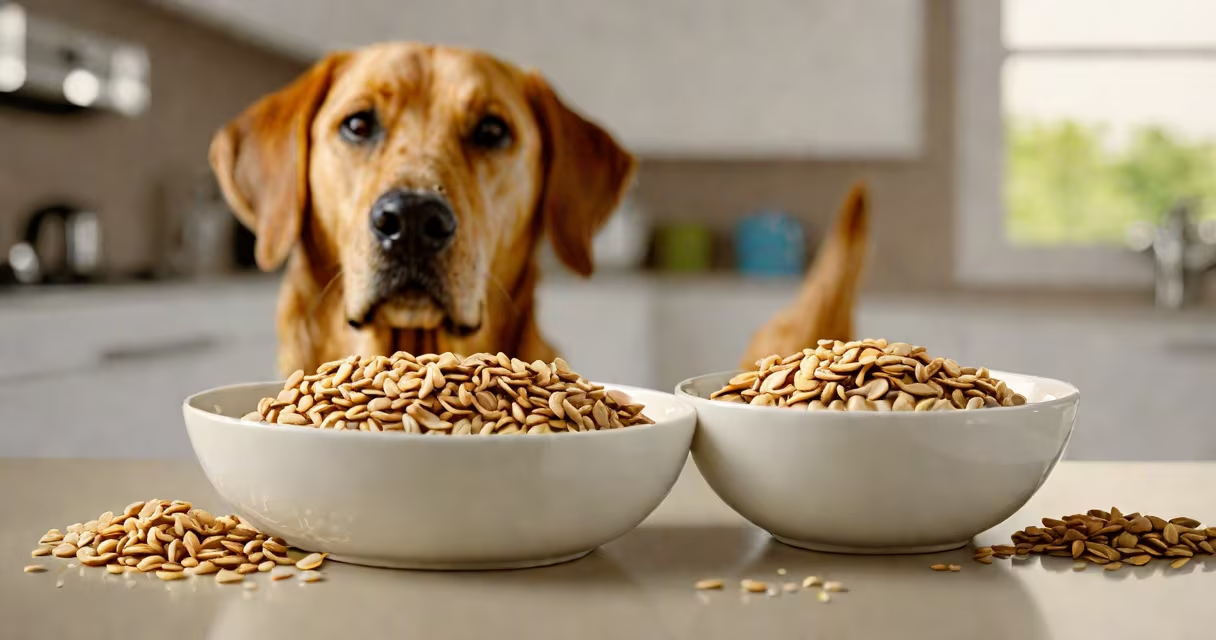
Yes, dogs can eat oatmeal, but only plain, cooked, and unseasoned. It should be served in small portions and not as a regular meal substitute. Oatmeal offers fiber and some B vitamins, but too much can cause digestive upset or weight gain.
Oatmeal is a whole grain made from ground oats. It contains soluble fiber, which supports digestion and helps regulate blood sugar. For dogs, this means it can aid in managing mild constipation or diarrhea when given correctly. The American Kennel Club notes that while oatmeal isn't toxic, it shouldn't replace balanced commercial dog food.
When prepared properly, oatmeal can be a nutritious addition to a dog's diet. But it must be free of added sugars, salt, milk, or flavorings. A single serving of 1-2 tablespoons per 20 pounds of body weight is sufficient. Always check with your vet before introducing new foods, especially if your dog has diabetes or a sensitive stomach.
Once ingested, oatmeal breaks down slowly due to its high soluble fiber content. This slow digestion helps maintain steady energy levels and reduces spikes in blood glucose. For dogs with insulin resistance or early-stage diabetes, this can be beneficial under veterinary supervision.
The beta-glucans in oats stimulate immune cells in the gut lining. Research from the National Center for Biotechnology Information shows these compounds improve macrophage activity, which may support immune function in animals. However, this effect is modest and doesn't replace medical treatment.
Too much oatmeal leads to bloating, gas, or loose stools. Over time, excessive intake contributes to calorie surplus, increasing the risk of obesity. A 2022 study published in Journal of Animal Physiology and Animal Nutrition found that dogs fed 10% of their daily calories from human grains gained 1.3 lbs more over six months compared to controls.
Not all oatmeal is equal. Instant oatmeal often contains added sugars, artificial flavors, and salt. Rolled oats are preferable because they're minimally processed. Steel-cut oats are less digestible and harder to prepare, making them less ideal for pets.
| Type | Suitable for Dogs? | Why |
|---|---|---|
| Plain rolled oats | Yes | Low sodium, no additives, easily digestible |
| Instant oatmeal (packaged) | No | High in sugar and salt; often contains artificial sweeteners |
| Oatmeal with fruit (e.g., blueberries) | Conditional | Fruit adds natural sugar; limit to 1 tsp per 20 lbs |
| Oatmeal with milk | No | Dairy causes digestive issues in lactose-intolerant dogs |
Always cook oatmeal with water, not milk or broth. A 1:2 ratio of oats to water yields a soft, digestible texture. Let it cool completely before offering. Never serve warm or hot oatmeal-it can burn a dog's mouth and esophagus.
Many owners assume "natural" means "safe." That's not true. Oats are safe, but flavored packets aren't. A 2021 report from the American Society for the Prevention of Cruelty to Animals listed instant oatmeal as a common source of accidental sugar poisoning in pets.
Another mistake is using oatmeal as a treat substitute. A 2023 survey by the Pet Food Institute found that 38% of dog owners offered oatmeal as a reward. While it's low-calorie, it lacks the concentrated nutrients found in commercial treats designed for training.
Some believe oatmeal helps with dry skin. While oats have anti-inflammatory properties, topical application (like oat baths) is far more effective than ingestion. Oral oatmeal doesn't deliver enough beta-glucans to impact skin health.
I once gave my 35-pound mixed-breed rescue, Max, a tablespoon of plain cooked oatmeal as a weekend snack. He'd had a light breakfast of kibble and a boiled egg. The oatmeal was cooled and served in a separate bowl. Within 15 minutes, he ate it without issue.
Two days later, I noticed slight loose stools. I reduced the amount to half a teaspoon and stopped feeding it altogether. After four days, his stool returned to normal. I realized that even a small amount can affect sensitive guts.
This taught me that individual tolerance varies. Some dogs handle oatmeal well; others don't. Monitoring stool consistency and appetite is key. If your dog shows signs of nausea, vomiting, or lethargy after eating oatmeal, stop feeding it and consult your vet.
Can dogs eat oatmeal? Yes, but only in strict moderation and with careful preparation. Plain, cooked, unsweetened oatmeal is acceptable as an occasional supplement. Avoid flavored, instant, or dairy-based versions. Always monitor your dog's reaction and adjust accordingly.
If your dog has a chronic condition like diabetes, pancreatitis, or food allergies, consult your veterinarian before adding oatmeal to their diet. It's not a miracle food, but when used right, it can be part of a balanced approach to canine nutrition.