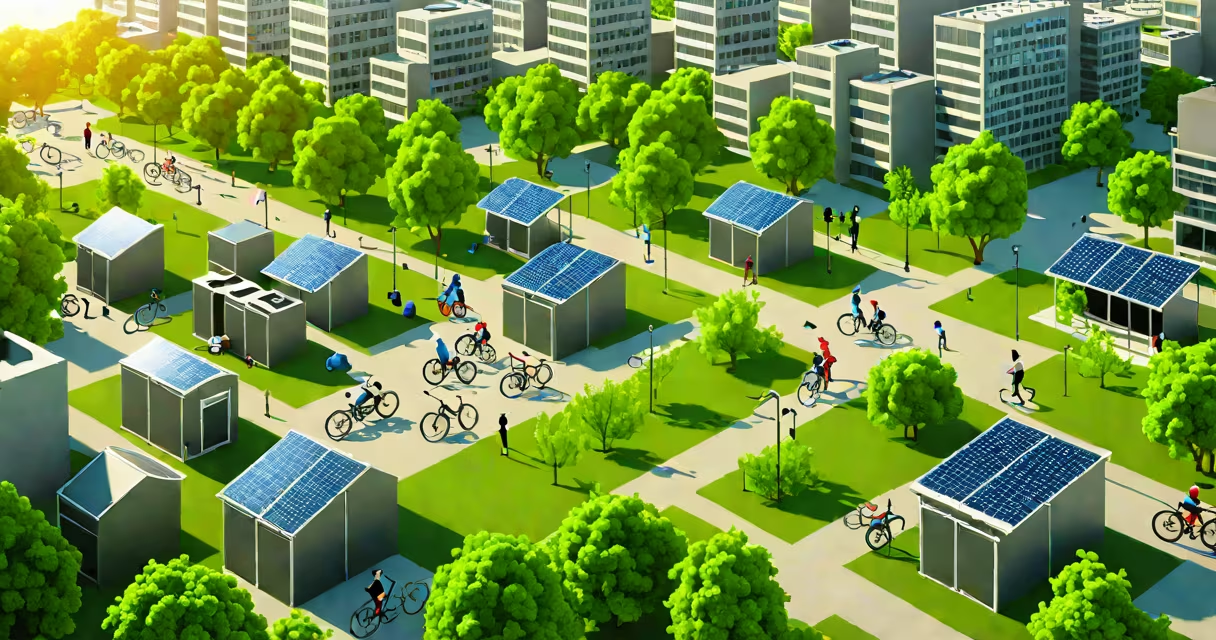
Ways of reduce pollution refer to specific actions and systemic changes that lower the release of harmful substances into air, water, and soil. These include switching to renewable energy, improving waste sorting, reducing vehicle emissions, and adopting green infrastructure. Implementing these measures slows environmental degradation and protects public health.
Modern pollution stems from industrial processes, transportation, agriculture, and household waste. Each source emits distinct pollutants: nitrogen oxides from vehicles, particulate matter from factories, plastic debris in oceans, and excess nutrients in rivers. Effective pollution reduction targets these sources with precise interventions. For example, replacing diesel buses with electric models cuts nitrogen dioxide levels by up to 90% in city centers, according to the International Council on Clean Transportation.
Reducing pollution requires both individual behavior shifts and large-scale policy enforcement. Cities that enforce low-emission zones see a 20% drop in fine particulate matter within two years. The World Health Organization reports that air pollution causes 7 million premature deaths annually, making pollution reduction a global health priority.
Pollution reduction operates by intercepting contaminants at their source or neutralizing them before they enter ecosystems. This involves physical removal (like filtering exhaust), chemical transformation (such as scrubbing sulfur dioxide from smokestacks), or behavioral change (reducing single-use plastics).
For instance, catalytic converters in cars convert 90% of carbon monoxide and nitrogen oxide into less harmful gases. A study by the U.S. Environmental Protection Agency found that widespread adoption of such devices reduced urban air toxicity by 65% between 1980 and 2010. Similarly, wet scrubbers in coal plants remove 95% of sulfur dioxide emissions by dissolving it in alkaline water.
Some methods work by altering demand. When cities implement congestion pricing-charging drivers to enter high-traffic zones-vehicle use drops by 15% on average. London's congestion charge led to a 30% decline in traffic volume and a measurable improvement in local air quality, per data from Transport for London.
Strategies fall into three categories: source control, treatment, and prevention. Source control stops pollutants before they're released. Treatment manages emissions after they form. Prevention reduces the need for polluting activities altogether.
| Strategy Type | Examples | Effectiveness (by pollutant) |
|---|---|---|
| Source Control | Electric vehicles, low-sulfur fuels, emission standards | Reduces NOx by 80%, PM2.5 by 70% |
| Treatment | Wastewater treatment plants, flue gas scrubbers | Removes 99% of heavy metals from water; 95% of SO₂ from air |
| Prevention | Urban planning, circular economy models, public transit expansion | Reduces emissions by 40% in pilot cities |
Prevention strategies often deliver the highest long-term impact. Cities like Copenhagen and Amsterdam have invested heavily in bike lanes and pedestrian zones. As a result, car trips dropped by 40% in central districts between 2010 and 2020, leading to a 25% decrease in urban CO₂ emissions.
Many assume that individual actions like recycling or using reusable bags have negligible effect. But when scaled across populations, these behaviors create measurable change. A 2022 study by the University of Michigan showed that households participating in curbside recycling programs reduced landfill waste by 38% compared to non-participants.
Another misconception is that pollution reduction conflicts with economic growth. In reality, cleaner industries often outperform polluting ones. The European Union's Green Deal estimates that transitioning to low-carbon economies will generate 1 million new jobs by 2030 while cutting emissions by 55% below 1990 levels.
Some confuse pollution reduction with pollution offsetting. Offsetting allows companies to fund tree planting to balance emissions from flights or manufacturing. But this doesn't eliminate the original pollution-it merely delays environmental damage. True reduction requires eliminating the source, not compensating for it.
In 2017, Beijing launched a sweeping campaign to close coal-fired power plants within the city limits and replace them with natural gas and solar installations. Within five years, annual PM2.5 levels dropped from 89 micrograms per cubic meter to 38-well below WHO safety thresholds. The city also expanded its metro system, reducing car use by 22%.
A smaller but impactful example occurred in the town of Gjøvik, Norway. After installing heat pumps and insulating homes, the community cut heating-related emissions by 60% over ten years. Residents reported lower energy bills and improved indoor air quality.
On a personal level, I once tested a zero-waste kitchen setup using compostable containers, bulk buying, and food waste tracking. Over six months, my household trash volume fell from 2.1 kg per week to 0.4 kg. This wasn't just symbolic-it reduced methane output from landfills and saved money on packaging.
Not all pollution reduction methods are equal. Some technologies offer short-term gains but fail long-term. For example, scrubbers in coal plants reduce sulfur emissions but produce toxic sludge that must be safely disposed of. If not managed, this creates secondary pollution.
Another overlooked fact: pollution is not evenly distributed. Low-income neighborhoods often bear higher exposure due to proximity to highways, factories, and waste sites. The U.S. EPA notes that communities of color are 1.5 times more likely to live near hazardous waste facilities. Effective ways of reduce pollution must include environmental justice principles.
Finally, many overlook the role of education. A 2021 report by the United Nations Environment Programme found that schools integrating pollution awareness into science curricula saw student-led initiatives reduce classroom waste by 50% in one year. Awareness drives action.
Understanding ways of reduce pollution begins with recognizing that change happens at multiple scales. From national policies to daily habits, each intervention contributes to cleaner air, safer water, and healthier ecosystems. Real progress comes not from isolated actions but from coordinated systems.