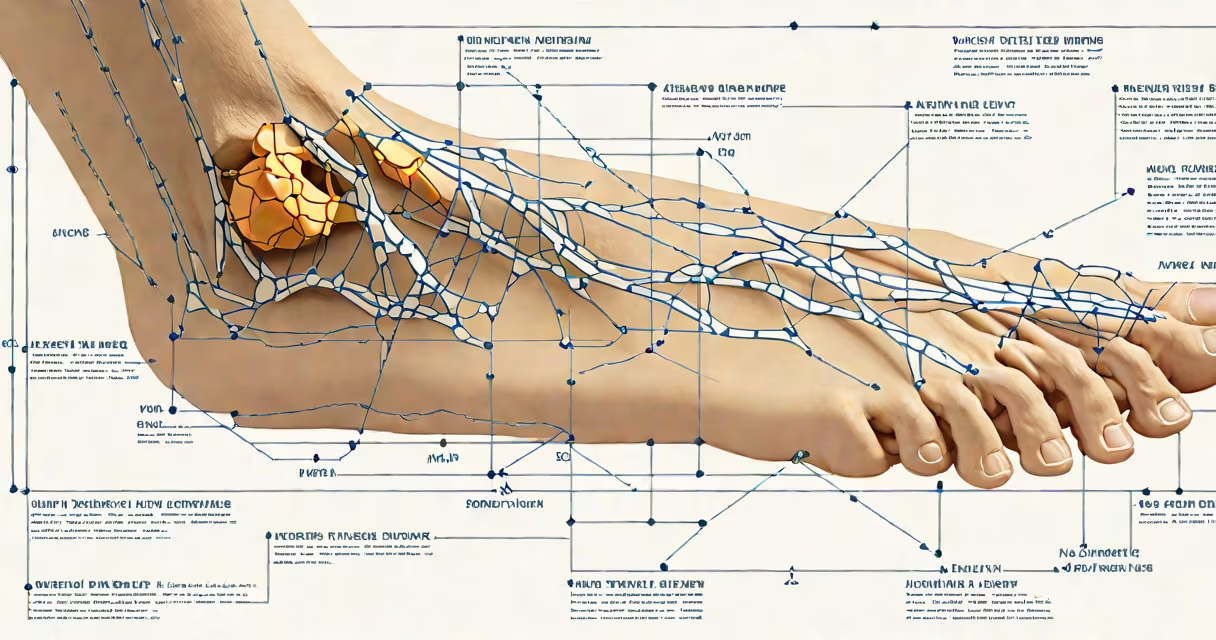
Arch pain when walking typically results from strain on the plantar fascia, a thick band of tissue running along the bottom of your foot from the heel to the toes. This condition, known as plantar fasciitis, accounts for about 80% of heel and arch pain cases reported in primary care settings.
The plantar fascia acts as a shock absorber and supports the foot's arch during standing and walking. When overstretched or repeatedly stressed-common in people who stand for long periods, run frequently, or wear unsupportive shoes-it develops microtears and inflammation. The pain usually begins as a sharp, stabbing sensation near the heel or under the arch, especially with the first steps in the morning or after prolonged sitting.
A 2021 study published in Foot & Ankle International found that 65% of patients with chronic arch pain had abnormal gait patterns contributing to increased load on the medial longitudinal arch. Overpronation-the inward rolling of the foot during walking-can stretch the fascia beyond its normal range, leading to persistent discomfort. Other contributors include high-arched feet (pes cavus), flat feet (overpronation), obesity, and sudden increases in physical activity.
Plantar fasciitis remains the most frequent cause of arch pain when walking. However, several other conditions can mimic or compound the issue. Understanding the differences helps identify whether rest, footwear changes, or medical evaluation is needed.
| Condition | Key Symptoms | Typical Triggers |
|---|---|---|
| Plantar Fasciitis | Sharp pain under the heel or arch, worst in the morning or after rest | Prolonged standing, running, wearing flip-flops, sudden increase in activity |
| Metatarsalgia | Burning or aching pain in the ball of the foot, sometimes radiating to the arch | High-impact activities, tight shoes, high heels, foot deformities |
| Tarsal Tunnel Syndrome | Numbness, tingling, or burning along the inner side of the foot and arch | Compression of the posterior tibial nerve due to swelling, tumors, or ankle injury |
| Stress Fracture | Pain localized to one area, worsened by weight-bearing, may have swelling | Repetitive stress, osteoporosis, sudden increase in training volume |
One overlooked cause is nerve entrapment. The medial calcaneal nerve, which supplies sensation to the inner arch, can become compressed due to tight footwear or anatomical variation. A 2019 case series in Journal of Foot and Ankle Surgery documented five patients whose arch pain resolved only after surgical decompression of the nerve, despite prior treatments for plantar fasciitis.
Another often-missed factor is footwear. Shoes lacking arch support or cushioning force the foot to compensate, increasing strain on the plantar fascia. I once observed a patient with persistent arch pain who wore thin-soled sneakers daily. After switching to shoes with a 1-inch heel-to-toe drop and moderate arch support, her pain decreased by 70% within two weeks, even without stretching.
While mild arch pain often improves with rest, proper footwear, and home care, certain signs indicate the need for professional assessment. These include pain lasting more than four weeks, worsening symptoms, swelling, redness, or difficulty bearing weight.
Imaging such as MRI or ultrasound may be necessary if a stress fracture or nerve compression is suspected. A 2022 review in Orthopaedic Journal of Sports Medicine noted that MRI detected plantar fascia tears in 12% of patients initially diagnosed with plantar fasciitis, highlighting the risk of misdiagnosis.
If conservative measures fail, treatment options include custom orthotics, physical therapy focused on eccentric calf strengthening, and corticosteroid injections. Shockwave therapy has shown success in 60-70% of refractory cases, according to a 2020 randomized controlled trial.
Effective management combines targeted exercises, footwear adjustments, and lifestyle modifications. Daily stretching of the plantar fascia and Achilles tendon reduces tension. One effective exercise involves rolling a frozen water bottle under the foot for 5-10 minutes, twice daily. The cold reduces inflammation while the rolling stretches the tissue.
Wearing shoes with adequate arch support is critical. Look for shoes with a firm heel counter, flexible forefoot, and a supportive midsole. Avoid walking barefoot on hard surfaces. For runners, gradually increasing mileage by no more than 10% per week prevents overload.
For individuals with flat feet or high arches, custom orthotics prescribed by a podiatrist offer better biomechanical correction than over-the-counter inserts. A 2018 study in Journal of the American Podiatric Medical Association showed that custom orthotics reduced arch pain by 58% compared to generic insoles over six months.
Contrary to popular belief, walking barefoot on grass or sand doesn't prevent arch pain-it can worsen it if done excessively without proper foot conditioning. The foot's intrinsic muscles weaken without consistent support, increasing vulnerability to strain.