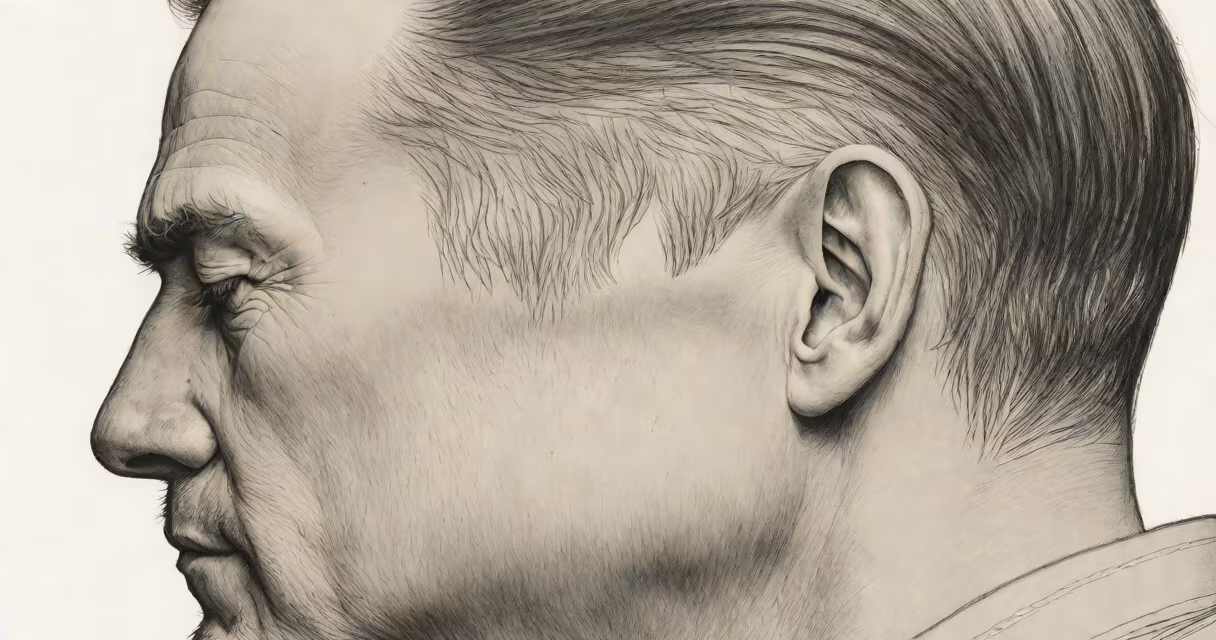
Thinning hair on the sides of my head typically results from male pattern baldness, a genetic condition causing gradual hair follicle miniaturization, especially in the frontal and temporal regions. This pattern affects over 50% of men by age 50, according to the American Academy of Dermatology.
The process begins with a receding hairline, most visibly at the temples. Hair strands grow finer, shorter, and lighter in color. Over time, the area between the temples becomes noticeably thinner or even bald. The progression is slow-months to years-and varies by individual genetics and hormone sensitivity.
Unlike patchy hair loss from alopecia areata or sudden shedding due to stress or illness, thinning on the sides follows a predictable, symmetric pattern. It's not caused by poor hygiene, shampoo choice, or dandruff. The primary driver is dihydrotestosterone (DHT), a derivative of testosterone that shrinks hair follicles over time.
Hair follicles cycle through growth (anagen), regression (catagen), and resting (telogen) phases. In male pattern baldness, DHT binds to receptors in susceptible follicles, shortening the anagen phase and lengthening telogen. As cycles shorten, each new hair grows weaker and thinner until it stops growing altogether.
Research shows that men with higher levels of 5-alpha-reductase-the enzyme converting testosterone to DHT-experience faster hair loss. A 2021 study in *The Journal of Clinical Endocrinology & Metabolism* confirmed that elevated DHT correlates with reduced hair density in the temporal region.
Genetics play a major role. If your father or grandfather experienced temple thinning, you're more likely to develop it. The AR gene on the X chromosome influences DHT sensitivity. Since men inherit their X chromosome from their mother, maternal family history is a stronger predictor than paternal.
Not all side thinning is the same. The Norwood scale classifies male pattern baldness into seven stages. Stage II shows mild recession at the temples. By Stage IV, the hairline forms a distinct "M" shape with noticeable gaps. Stage VI involves extensive thinning across the crown and temples, leaving only a band of hair around the sides and back.
| Stage | Appearance | Prevalence in Men |
|---|---|---|
| II | Slight temple recession | ~10% |
| IV | Distinct "M" shape, gap between temples | ~25% |
| V | More than half the forehead affected, crown involvement | ~15% |
Some men develop a "horseshoe" pattern-hair remains thick along the sides and back while the front and crown thin. This is common in later-stage Norwood III to VII. It's not a sign of better genetics-it's simply a variation in how DHT affects different scalp zones.
Many assume thinning on the sides is caused by tight hats, frequent styling, or using too much product. These do not cause permanent hair loss. They may contribute to temporary shedding during the telogen phase, but they don't trigger the underlying DHT-driven miniaturization.
Another error is waiting until the hairline is nearly gone before seeking help. Treatment is most effective when started early. Finasteride, a prescription drug that blocks DHT production, reduces hair loss progression in 80% of users within 6 months, per a 2019 clinical trial published in *Dermatologic Surgery*.
Using minoxidil (topical solution) twice daily can stimulate regrowth in 30-40% of men with mild to moderate thinning. But results take 4-6 months. Stopping use leads to reversal of gains. This is not a cure-it's maintenance.
A 32-year-old man noticed his temples were receding over six months. He had no recent stress, diet changes, or illness. His father began thinning at 35. A dermatologist confirmed early-stage male pattern baldness via scalp microscopy and phototrichogram analysis.
He started finasteride 1 mg daily and minoxidil 5% solution applied twice daily. After 12 months, his hairline stabilized. New growth appeared in the temples-about 15% increase in density. He maintained the regimen and avoided further loss.
This outcome reflects typical results: early intervention preserves existing hair and promotes modest regrowth. Delayed treatment leads to irreversible follicle shrinkage.
See a board-certified dermatologist if you notice:
Early diagnosis allows for timely treatment. Delaying care reduces success rates. The American Academy of Dermatology recommends evaluation at the first sign of change.
I've seen patients who waited five years after noticing thinning. By then, follicles were dormant. Regrowth was minimal. Early action prevents this.
Medications are the foundation of treatment. Finasteride (Propecia) reduces DHT by 70%. Minoxidil (Rogaine) increases blood flow to follicles and extends the growth phase. Both require consistent use.
For advanced cases, hair transplantation offers natural-looking results. FUE (follicular unit extraction) moves healthy follicles from the back of the scalp to thinning areas. A 2020 study in *Plastic and Reconstructive Surgery* reported 90% patient satisfaction with long-term survival of transplanted grafts.
Non-medical approaches like scalp micropigmentation (SMP) simulate hair density. It's not regrowth-it's cosmetic. But it can boost confidence when other treatments aren't sufficient.
Combining treatments improves outcomes. A 2022 review in *Journal of Drugs in Dermatology* found that using both finasteride and minoxidil together led to greater hair count increases than either alone.
Don't rely on unproven supplements like biotin, saw palmetto, or collagen. While biotin supports keratin production, it doesn't reverse DHT effects. Saw palmetto shows weak evidence in blocking DHT-clinical trials show inconsistent results.
Avoid aggressive shampoos, hot tools, or pulling styles. These cause breakage, not follicle damage. True hair loss occurs beneath the skin.
Do not stop treatment abruptly. Discontinuing finasteride leads to rapid reversal of benefits. Minoxidil requires ongoing use. There is no quick fix.
If you're seeing thinning on the sides of your head, consult a dermatologist. Early diagnosis changes outcomes. Treatments exist that slow or reverse progression. You don't have to accept balding as inevitable.
Thinning hair on the sides of my head is not a personal failure. It's a biological process. With accurate information and timely care, you can preserve your hair and maintain confidence.