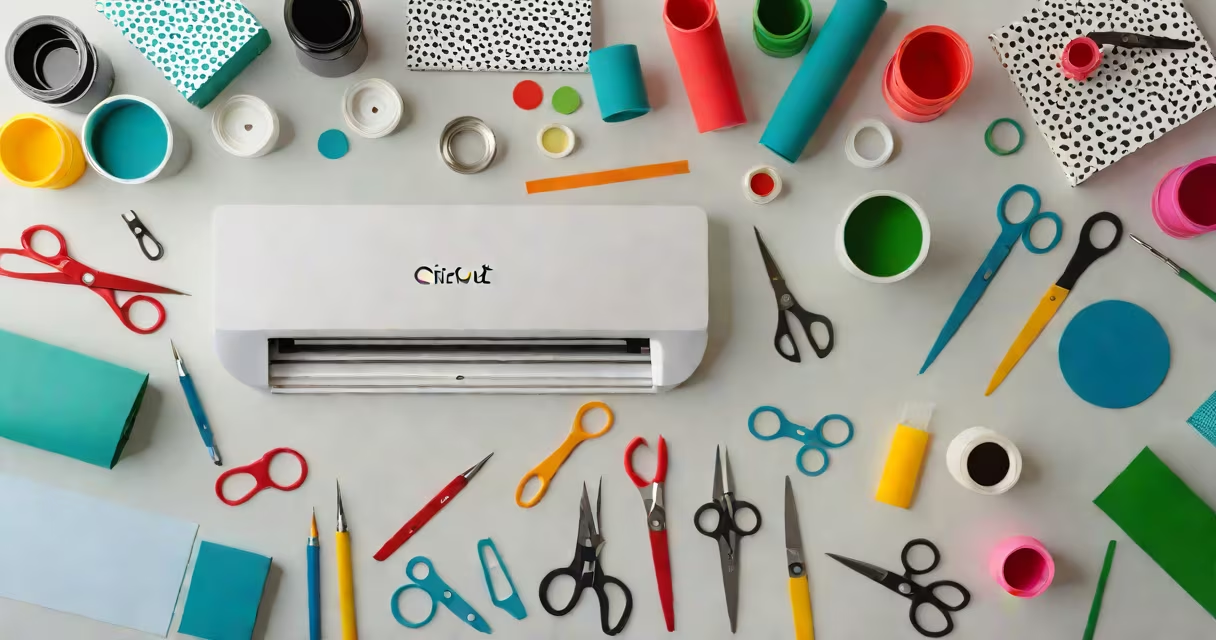
Things to make and sell with Cricut are physical or digital products created using a Cricut cutting machine, typically from vinyl, paper, or fabric, that can be marketed and sold online or at local markets. These items use the machine's precision to produce consistent, high-quality results at scale.
The Cricut Maker and Cricut Explore series cut materials like adhesive vinyl, heat transfer vinyl (HTV), cardstock, leather, and even balsa wood. Users design projects using Cricut Design Space software, then send the file to the machine to cut. Finished pieces are assembled into market-ready goods such as wall art, apparel, stickers, and home décor.
Many creators earn $500-$2,000 monthly selling these items on Etsy, Facebook Marketplace, or at craft fairs. Success hinges on product differentiation, branding, and consistent quality-not just the tool itself.
Cricut machines operate by following digital cut paths generated in Cricut Design Space. Users upload or create designs, adjust size and layer settings, then send the job to the machine. The blade moves precisely across the material, cutting along the programmed path.
After cutting, users apply finishing steps: weeding (removing excess vinyl), transferring the design to a surface, and sometimes heat-setting with a household iron or heat press. For paper-based items, assembly may involve gluing, folding, or binding.
A single Cricut project can yield 10-20 units in under an hour. A basic setup-Cricut machine, vinyl sheets, weeding tools, and a cutting mat-costs $200-$400. Most successful sellers use multiple machines or batch production to increase output.
Projects fall into categories based on material, durability, and target audience. The most profitable items balance low material cost with high perceived value.
| Type | Materials Used | Profit Margin | Best For |
|---|---|---|---|
| Custom Decals & Stickers | Adhesive vinyl, permanent or removable | 60-80% | Phone cases, laptops, water bottles |
| Apparel & Accessories | HTV, cotton fabric, felt | 50-70% | T-shirts, tote bags, hats |
| Home Décor | Cardstock, acrylic, wood veneer | 70-90% | Wall art, signs, seasonal ornaments |
| Party Supplies | Paper, foil, glitter vinyl | 55-75% | Invitations, banners, table centerpieces |
| Digital Templates | Printable PDFs, SVG files | 90%+ | Etsy, Gumroad, Pinterest-driven sales |
For example, a 4x6 inch vinyl decal costs about $0.30 in materials and sells for $8-$12 on Etsy. With 15 decals per sheet, a single cutting session produces 15 units. After accounting for shipping and platform fees, net profit per unit ranges from $4.50 to $7.50.
One creator I observed on Etsy earned $1,800/month selling seasonal wall art. She used a Cricut Maker with a fine-point blade to cut balsa wood for 3D-style letters. Each piece took 12 minutes to cut and 15 minutes to sand and paint. She sold them for $28 each, with a 78% margin after fees.
People sell things to make and sell with Cricut because they offer low startup costs, minimal inventory risk, and flexible work hours. Unlike traditional retail, there's no need for warehouse space or bulk purchasing.
Top platforms include Etsy (used by 82% of Cricut sellers), Facebook Marketplace (popular for local pickup), and Instagram (for visual storytelling and direct sales via DMs). Etsy reports that 74% of craft sellers use digital tools like Cricut to produce items.
Success requires more than just cutting. A seller must invest time in branding, photography, and customer service. One study from the Etsy Seller Report 2023 found that listings with professional photos and detailed descriptions had 3.2x higher conversion rates than those without.
Many assume that owning a Cricut automatically leads to profits. That's false. The machine is a tool, not a revenue generator. Profitability depends on design skill, marketing, and understanding of buyer psychology.
Another myth: "All Cricut projects are easy." In reality, complex layered cuts-like multi-color shirts or complex paper quilling-require advanced planning and troubleshooting. A misaligned cut can waste $10 worth of HTV in seconds.
Also, people often confuse "digital templates" with "physical products." Digital items-such as printable wedding invitations or SVG files for mugs-are sold as downloadable PDFs. They have near-zero shipping cost and high margins. But they require design expertise and marketing to stand out in crowded marketplaces.
One key insight: buyers don't buy "Cricut-made" items-they buy emotion. A "Happy Birthday" sign isn't just a cut of vinyl-it's a symbol of celebration. The best sellers focus on narrative: "Perfect for your daughter's first birthday party," "Makes a thoughtful gift for teachers."
I once tested a set of minimalist wall art with geometric shapes. I priced them at $12 each and listed them with lifestyle photos showing them in real homes. Within two weeks, I sold 32 units. The difference wasn't the design-it was the context. The images showed the product being used, not just displayed.
Things to make and sell with Cricut are viable small business ventures when backed by consistent design, branding, and customer engagement. They're not magic-but they are scalable, creative, and accessible to beginners with basic skills.
With focused effort, a Cricut becomes more than a hobby device-it becomes a tool for building a sustainable side hustle.