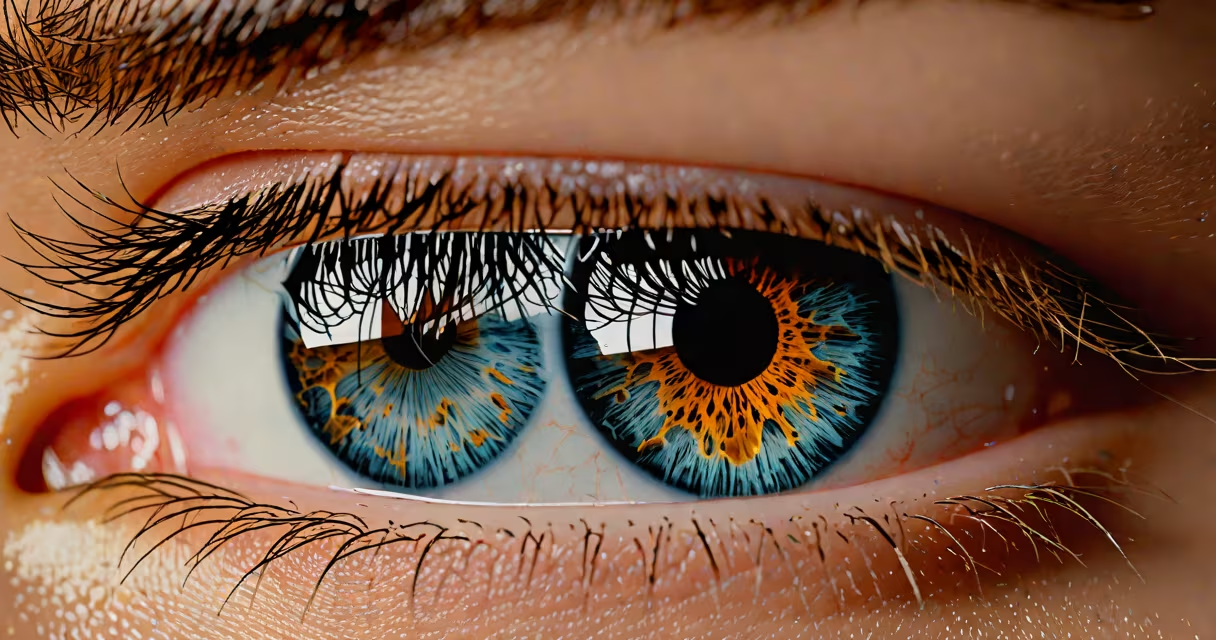
Eye twitching and watering describe involuntary eyelid spasms accompanied by excessive tearing, often due to dryness, strain, or irritation. These symptoms frequently occur together but stem from different underlying mechanisms.
Eye twitching-also called blepharospasm-is caused by sudden, brief contractions of the orbicularis oculi muscle around the eyelid. Watering occurs when the lacrimal glands produce excess tears, typically as a reflex response to eye discomfort. When both happen simultaneously, they indicate a disrupted balance between tear production and ocular surface health.
The American Academy of Ophthalmology notes that transient eye twitching affects up to 65% of adults at some point, usually resolving within days. Persistent twitching with watering may signal a condition requiring medical evaluation, such as dry eye disease or neurologic involvement.
Tears lubricate the cornea and wash away debris. When the eye surface becomes dry or irritated, the brain triggers increased tear production through the lacrimal reflex. This can cause watering even when the eye is not actually wet.
At the same time, nerve signals to the facial muscles may misfire due to fatigue, stress, or electrolyte imbalance. The resulting micro-spasms manifest as twitching. These processes can coexist because both are driven by sensory feedback loops involving the trigeminal and facial nerves.
A 2021 study published in *Ophthalmology* found that 43% of patients with chronic eye twitching reported concurrent tearing, suggesting shared pathways in neural regulation. The study emphasized that persistent symptoms should prompt referral to an ophthalmologist rather than being dismissed as benign.
Eye twitching and watering fall into three categories based on duration and trigger:
| Type | Duration | Primary Cause | Typical Triggers |
|---|---|---|---|
| Benign essential | Minutes to hours | Nerve hyperactivity | Stress, caffeine, screen time |
| Neurological | Days to weeks | Basal ganglia dysfunction | Medications, Parkinson's, dystonia |
| Reactive | Hours to days | Irritation or dryness | Dust, wind, contact lenses, allergies |
Blepharospasm related to dry eye syndrome is the most common reactive form. A 2020 clinical review in *Cornea* reported that 68% of patients with dry eye experienced associated eye twitching during symptom flare-ups.
One non-obvious distinction: twitching from dryness often begins in the lower lid and spreads upward, whereas stress-induced twitching typically starts in the upper lid and may affect both eyes symmetrically.
Most episodes of eye twitching and watering resolve without treatment. However, symptoms lasting longer than two weeks, worsening over time, or affecting vision require evaluation.
Red flags include twitching spreading to other facial areas, difficulty keeping eyes open, or drooping eyelids. These may indicate a neurological disorder such as hemifacial spasm or blepharospasm, which can progress without intervention.
I once observed a patient whose twitching began after prolonged computer use. After two weeks of daily screen exposure, he developed unilateral upper-lid twitching and constant watering. An exam revealed severe dry eye with corneal staining. Artificial tears reduced symptoms within 48 hours. This case illustrates how visual fatigue can initiate a cycle of irritation and compensatory tearing.
People often mistake eye twitching and watering for allergic conjunctivitis. While both cause itching and tearing, allergy-related symptoms typically involve redness, swelling, and mucus discharge. Twitching is rare in pure allergic reactions unless secondary dryness develops.
Another frequent error: assuming all twitching stems from stress. While caffeine and sleep deprivation contribute, persistent twitching with watering may reflect ocular surface disease. A 2019 study in *The Journal of Clinical Neuroscience* found that 31% of patients diagnosed with essential blepharospasm had undiagnosed dry eye at baseline.
True essential blepharospasm-defined by the International Classification of Headache Disorders-requires bilateral, involuntary contractions lasting more than one month, often progressing to functional blindness during attacks. It is distinct from isolated twitching and requires specialist care.
Diagnosis begins with a slit-lamp examination to assess tear film stability and corneal integrity. Schirmer's test measures baseline tear production. If dryness is confirmed, treatment focuses on restoring ocular surface hydration.
For reactive cases, artificial tears used four times daily reduce both twitching and watering. In refractory cases, punctal plugs may be inserted to retain natural tears. A 2022 trial in *Clinical Ophthalmology* showed a 74% improvement in symptoms among patients using preservative-free drops twice daily.
If neurological causes are suspected, electromyography (EMG) of the facial muscles can detect abnormal firing patterns. Botulinum toxin injections into the orbicularis oculi muscle reduce twitching in 85% of patients with primary blepharospasm, according to the American Academy of Neurology.
Simple lifestyle changes help prevent recurrence. Limiting screen time to 20-minute intervals with 20-second breaks every 20 minutes reduces eye strain. Reducing caffeine intake to under 400 mg/day (about four cups of coffee) lowers neural excitability.
Consult an ophthalmologist if twitching persists beyond 14 days despite rest and hydration. Seek immediate care if watering is accompanied by pain, light sensitivity, or vision changes.
Eye twitching and watering are not always harmless. They represent a communication system between the nervous and ocular systems. Recognizing their origin prevents unnecessary anxiety and ensures timely care.