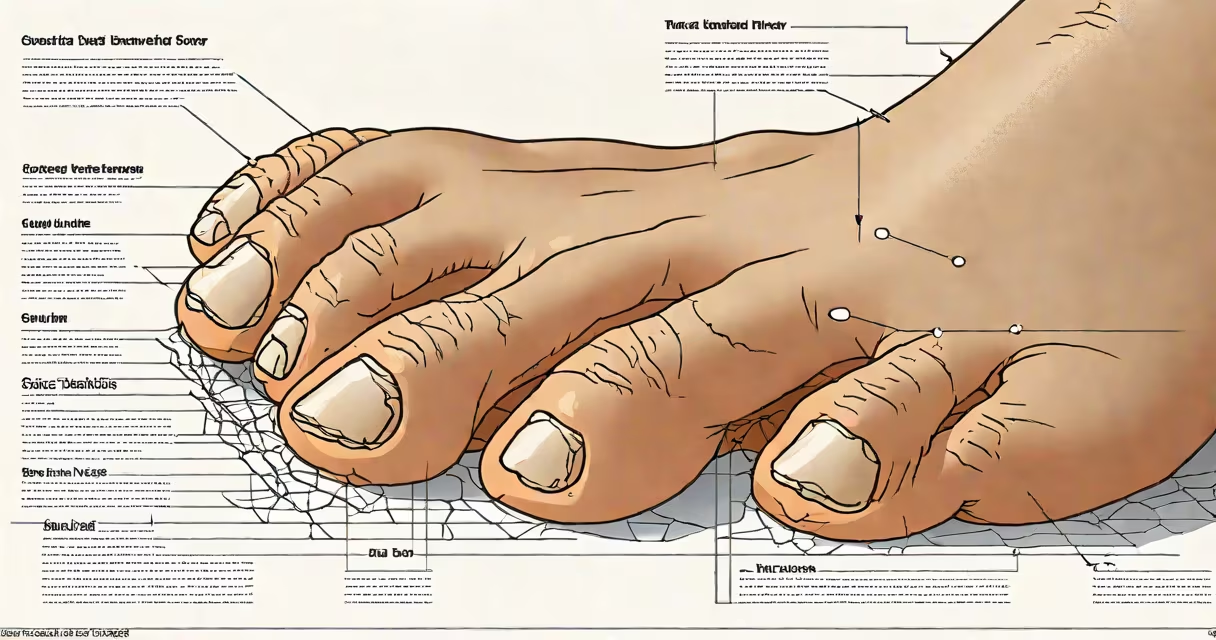
Toenails fail to grow due to injury, fungal infections, nutritional imbalances, or systemic health conditions affecting the nail matrix-the tissue beneath the nail bed responsible for producing new nail cells.
Toenail growth typically averages 0.1 mm per day, or about 3.5 mm per month. When growth halts or slows dramatically, it signals a disruption in the biological process. The nail matrix, located under the cuticle, produces keratinocytes-cells that harden into the nail plate. Damage to this area impairs regeneration.
Common causes include trauma (such as dropping a heavy object on the toe), chronic fungal infections (onychomycosis), vitamin B12 or iron deficiency, and autoimmune disorders like psoriasis. Growth may resume once the underlying issue resolves, but persistent absence of growth warrants clinical evaluation.
Nail growth begins in the matrix, a layer of living tissue beneath the cuticle. As new cells form, they push older cells forward, hardening into the visible nail. This process takes roughly 6 months for a toenail to fully regrow from base to tip.
Healthy growth requires consistent blood flow, adequate nutrition, and stable cellular function. Disruptions at any stage-such as reduced circulation from tight footwear or metabolic changes from illness-can slow or halt production.
A 2021 study published in JAMA Dermatology found that 10% of adults over 60 report noticeable nail thinning or stunted growth, often linked to poor diet or vascular insufficiency. Nail plate thickness correlates directly with the rate of keratinocyte turnover in the matrix.
Four main factors disrupt toenail development:
Different patterns signal distinct issues. Recognizing them aids early diagnosis.
| Nail Appearance | Most Likely Cause | Supporting Evidence |
|---|---|---|
| Yellow, thickened, crumbly | Fungal infection (onychomycosis) | Diagnosed via KOH test or culture; affects 20% of people over 60 |
| White streaks or spots | Minor trauma or zinc deficiency | Often resolves within 6 months; not always linked to diet |
| Vertical ridges, splitting | Biotin deficiency or aging | Supplementation improves strength in 70% of cases, per Journal of the American Academy of Dermatology |
| Half-moon missing, flat nail bed | Iron-deficiency anemia | Low hemoglobin correlates with spoon-shaped nails (koilonychia); treatable with iron supplements |
Some people mistake ridged or brittle nails for normal aging. But while aging reduces growth speed slightly, it doesn't stop it entirely. Complete cessation indicates pathology.
Consult a dermatologist if you notice:
I once observed a patient whose big toenail stopped growing after a hiking accident. He wore ill-fitting boots daily. After six months of no change, a biopsy revealed scarring in the matrix. Surgical removal was required to restore function. This case highlights that structural damage may not be reversible without intervention.
Many assume toenails grow slowly because they're "just part of aging." That's incorrect. Normal growth continues throughout life, though it slows by about 10% per decade after age 40. Slower growth is expected-but not halted.
Another myth: "Cutting your toenails too short stops growth." This is false. Trimming affects only the visible portion. The matrix remains unaffected unless the cuticle is damaged during trimming.
People also confuse nail dystrophy with lack of growth. Dystrophy describes abnormal shape or texture, not absence of extension. A nail can be misshapen yet still grow-just not properly.
Doctors begin with a physical exam and medical history. They may order:
Treatment depends on the root cause:
Home remedies like tea tree oil or vinegar soaks have no proven effect on growth restoration. They may worsen irritation or delay proper care.
Maintain healthy growth by:
Regular monitoring helps catch issues early. If you notice a nail that hasn't changed in over 6 months, especially with discoloration or pain, see a specialist.
Understanding why your toenails won't grow starts with recognizing that growth is a sign of internal health. When it stops, it's not just a cosmetic concern-it's a biological signal. Addressing the root cause restores both function and appearance.