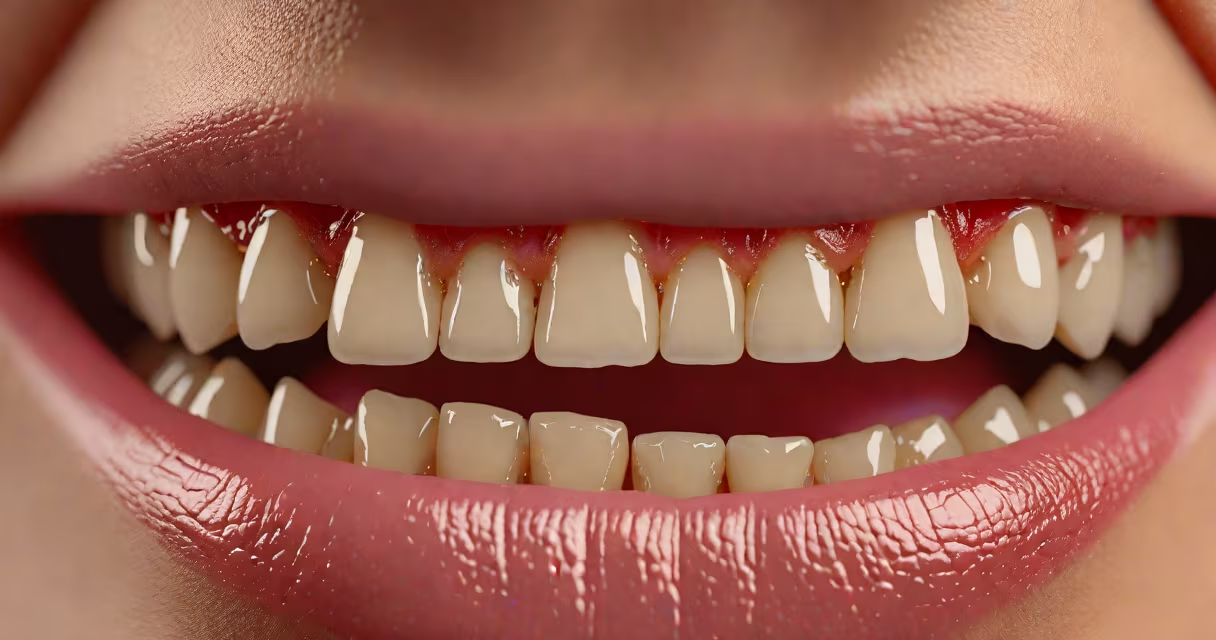
Staph aureus in mouth refers to the presence of Staphylococcus aureus bacteria in the oral cavity, which may colonize the mucous membranes or cause localized infection. While some people carry the bacterium asymptomatically, it can lead to sore throat, mouth ulcers, or systemic illness if it invades tissues or enters the bloodstream.
Staphylococcus aureus is a Gram-positive bacterium commonly found on skin and in the nasal passages. It can spread to the mouth through hand-to-mouth contact, contaminated food, or respiratory droplets. The oral environment-warm, moist, and rich in nutrients-provides ideal conditions for bacterial growth. When the immune system is compromised or oral tissue is damaged, S. aureus can proliferate and trigger inflammation.
Colonization does not always result in disease. Studies show that 20-30% of healthy individuals carry S. aureus in their nose, and a subset also harbor it in the mouth. However, when the bacterium breaches mucosal barriers, it can cause infections ranging from mild gingivitis to severe necrotizing fasciitis. Risk factors include recent surgery, antibiotic use, or underlying conditions like diabetes or HIV.
Transmission occurs primarily via direct contact with infected individuals or contaminated surfaces. A person with a skin wound may touch their mouth, transferring bacteria from hands. Oral hygiene practices such as brushing and flossing reduce bacterial load, but do not eliminate all strains. Saliva contains antimicrobial peptides like lysozyme and lactoferrin that normally suppress S. aureus, but these defenses weaken during illness or stress.
Once in the mouth, S. aureus adheres to epithelial cells using surface proteins called adhesins. It then forms biofilms-structured communities encased in extracellular matrix-that resist antibiotics and host immune responses. Biofilm formation begins within hours of initial colonization and can persist for days. This resilience explains why some oral staph infections recur despite treatment.
A 2021 study published in Frontiers in Microbiology found that S. aureus isolated from oral samples had higher expression of genes related to immune evasion and toxin production compared to nasal isolates. This suggests oral colonization may involve adaptation to a distinct niche, increasing pathogenic potential.
Staph aureus in mouth manifests in several ways depending on location and severity:
| Type | Location | Symptoms | Prevalence |
|---|---|---|---|
| Asymptomatic colonization | Oral mucosa, tonsils | No symptoms; detected via swab testing | ~15% of adults |
| Pharyngitis | Throat, tonsils | Sore throat, fever, swollen lymph nodes | Less common than strep throat |
| Oral ulcers | Tongue, inner cheek | Painful sores, bleeding, delayed healing | Rare; often misdiagnosed |
| Methicillin-resistant S. aureus (MRSA) | Deep tissue, bloodstream | Fever, sepsis, abscesses | ~1% of cases; high mortality risk |
Oral pharyngitis caused by S. aureus mimics strep throat but lacks the characteristic white exudate seen in Group A Streptococcus infections. Diagnosis requires throat culture or PCR testing, as visual inspection alone cannot distinguish between pathogens. A 2020 CDC report noted that S. aureus accounted for 6% of non-streptococcal pharyngitis cases in outpatient settings.
One case study from the Journal of Clinical Microbiology described a 45-year-old man with persistent sore throat and fever unresponsive to amoxicillin. Throat swab revealed S. aureus with resistance to penicillin and cefazolin. After switching to vancomycin, symptoms resolved in five days. This highlights the importance of accurate diagnosis-misdiagnosis leads to ineffective treatment and prolonged suffering.
Many assume that any mouth sore or bad breath indicates staph infection. This is incorrect. Most oral infections stem from other bacteria like Porphyromonas gingivalis or viruses such as herpes simplex. Staph aureus is not a primary cause of dental caries or periodontitis.
Another misconception is that staph in the mouth always leads to systemic illness. In reality, most oral colonization remains localized and harmless. Only when the bacterium enters the bloodstream-via cuts, dental procedures, or weakened immunity-does it pose serious risks. A 2019 review in Clinical Infectious Diseases reported that only 12% of patients with S. aureus bacteremia had a documented oral source.
Crucially, staph aureus in mouth is not synonymous with MRSA. While MRSA is a strain resistant to methicillin and related antibiotics, it represents a subset of S. aureus. Not all oral staph infections are drug-resistant. Testing is required to determine susceptibility.
Consult a healthcare provider if you experience persistent sore throat lasting more than seven days, difficulty swallowing, fever above 101°F (38.3°C), or visible pus in the mouth. These signs suggest bacterial infection requiring evaluation. Blood tests and cultures may be ordered to confirm S. aureus presence and assess antibiotic sensitivity.
I once observed a patient with recurrent oral ulcers who had been self-treating with over-the-counter antiseptic rinses. After two weeks of worsening pain and swelling, a biopsy revealed S. aureus biofilm in the ulcer base. Treatment with clindamycin and mechanical debridement led to complete resolution. This case illustrates how delayed care allows biofilms to mature and resist standard therapies.
Antibiotics are prescribed based on culture results. Common options include dicloxacillin, cephalexin, or vancomycin for MRSA. Topical treatments like chlorhexidine mouthwash reduce oral bacterial load but do not penetrate biofilms effectively. Probiotics such as Lactobacillus rhamnosus have shown modest reduction in S. aureus colonization in preliminary trials, though evidence remains limited.
Prevention focuses on hygiene and avoiding high-risk behaviors. Wash hands regularly, avoid sharing utensils or toothbrushes, and maintain routine dental checkups. Individuals with chronic conditions should monitor oral health closely. Those undergoing invasive procedures should receive prophylactic antibiotics if recommended by guidelines.