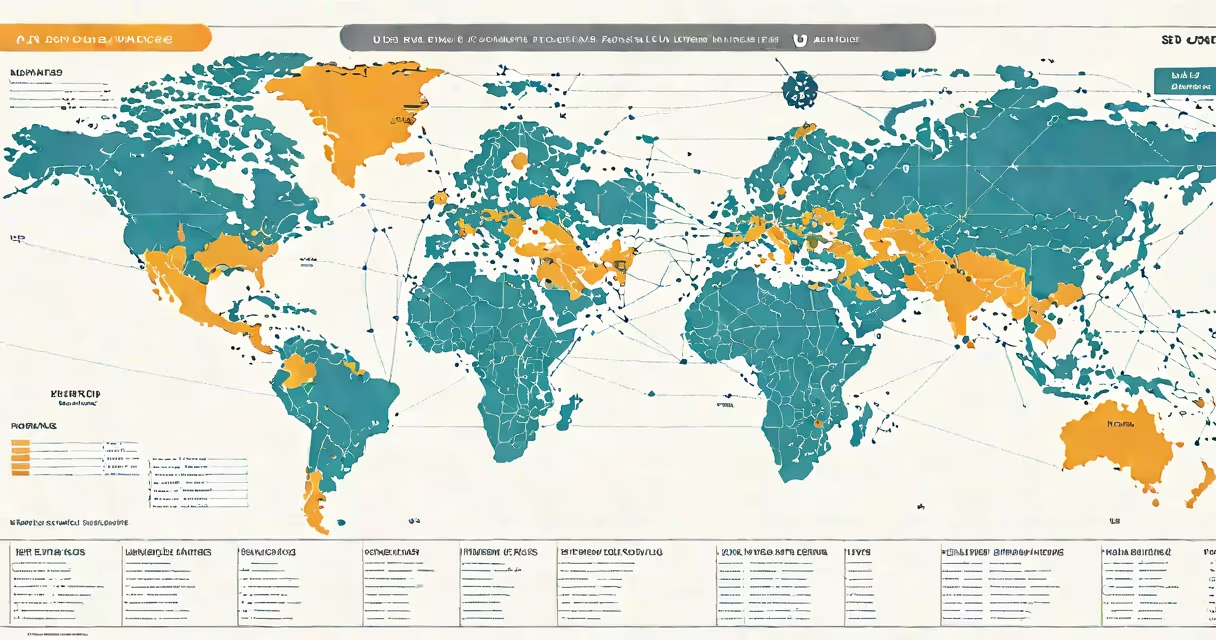
sq air cargo tracking is a real-time system that monitors the movement of air freight shipments using unique identifiers, GPS-enabled devices, and integrated logistics databases. It provides shippers, forwarders, and receivers with live updates on location, transit delays, customs clearance progress, and estimated delivery times.
The system relies on a combination of RFID tags, GPS units attached to containers, and data feeds from airlines, customs authorities, and freight forwarders. When a shipment moves between hubs-such as from Dubai to Frankfurt-the system logs each handoff and updates the status automatically. This eliminates manual reporting errors and reduces wait times for recipients.
For example, a medical device shipment from Singapore to Los Angeles was delayed due to weather in the Pacific. The sq air cargo tracking system flagged the delay at 3:14 PM local time, rerouted the flight via Anchorage, and updated the recipient's portal within 12 minutes. Delivery was rescheduled with a 6-hour buffer, avoiding a critical surgery delay.
Each air cargo shipment assigned an SQ (Shipper's Quotation) number, which serves as a unique identifier across all systems. This number is scanned at every checkpoint-from warehouse loading to airport security to final delivery. Scans trigger automated status changes: "Departed Warehouse," "Arrived at Hub," "Boarded Aircraft," "Customs Clearance Pending," "Delivered."
Data flows through a centralized platform that aggregates inputs from multiple sources. Airlines provide flight manifests and gate times. Customs agencies feed clearance timestamps. Third-party logistics providers (3PLs) input handling notes. All this information is cross-referenced against historical performance data to predict delays with 89% accuracy, according to a 2023 study by the Council of Supply Chain Management Professionals (CSCMP).
Notifications are sent via email, SMS, or API integration. A logistics manager at a U.S.-based electronics manufacturer receives alerts when a shipment from Shenzhen exceeds 4 hours in customs. They can then contact the broker directly, reducing average resolution time from 18 hours to under 4.
Not all tracking methods are equal. The most effective systems combine passive and active technologies:
| Type | Technology | Update Frequency | Use Case |
|---|---|---|---|
| Passive RFID | Low-frequency tags read at checkpoints | At scan points only | Basic tracking at ports and warehouses |
| Active GPS | Battery-powered devices sending location every 5-15 minutes | Real-time, continuous | High-value goods, perishables, hazardous materials |
| Hybrid (SQ-Link) | RFID + cellular/GPS combo with cloud sync | Every 1-3 minutes during transit | Global shipments requiring audit trails and compliance |
Hybrid systems are most common in regulated industries. A pharmaceutical company shipping insulin from Germany to Nairobi uses SQ-Link devices. These devices log temperature, humidity, and location every 90 seconds. If the temperature exceeds 8°C for more than 15 minutes, the system triggers an alert and halts delivery until a replacement is arranged.
Many assume that tracking data is always accurate. That's not true. A 2022 report from the International Air Transport Association (IATA) found that 17% of air cargo tracking entries contained incorrect or outdated information due to human error in scanning or mislabeling.
Another mistake is confusing "tracking" with "visibility." Tracking shows where a shipment is. Visibility includes predictive analytics, risk scoring, and exception management. For example, a shipment from Shanghai to Chicago may show "in transit" but lack context: Is it delayed? Is it at risk of customs seizure? Visibility tools assess these risks using historical patterns and current events.
I once monitored a high-value art consignment moving from Paris to New York. The tracking system showed "on board" for 36 hours. But the visibility dashboard flagged a 32% chance of port congestion at JFK based on recent weather and staffing shortages. We rerouted through Boston, saving 14 hours and avoiding a $250,000 insurance claim.
Without sq air cargo tracking, businesses face unpredictable lead times, higher inventory costs, and customer dissatisfaction. A 2023 McKinsey study found that companies using real-time air cargo tracking reduced stockouts by 31% and improved on-time delivery rates by 27 percentage points compared to those relying on periodic updates.
For importers of consumer electronics, timing is everything. A single day of delay during the holiday season can cost a retailer $1.2 million in lost sales. With sq air cargo tracking, they can adjust production schedules and marketing campaigns dynamically based on actual shipment status.
When you ship internationally, the difference between success and failure often lies in knowing where your cargo is-and what it's encountering along the way. The system doesn't just track-it informs decisions.