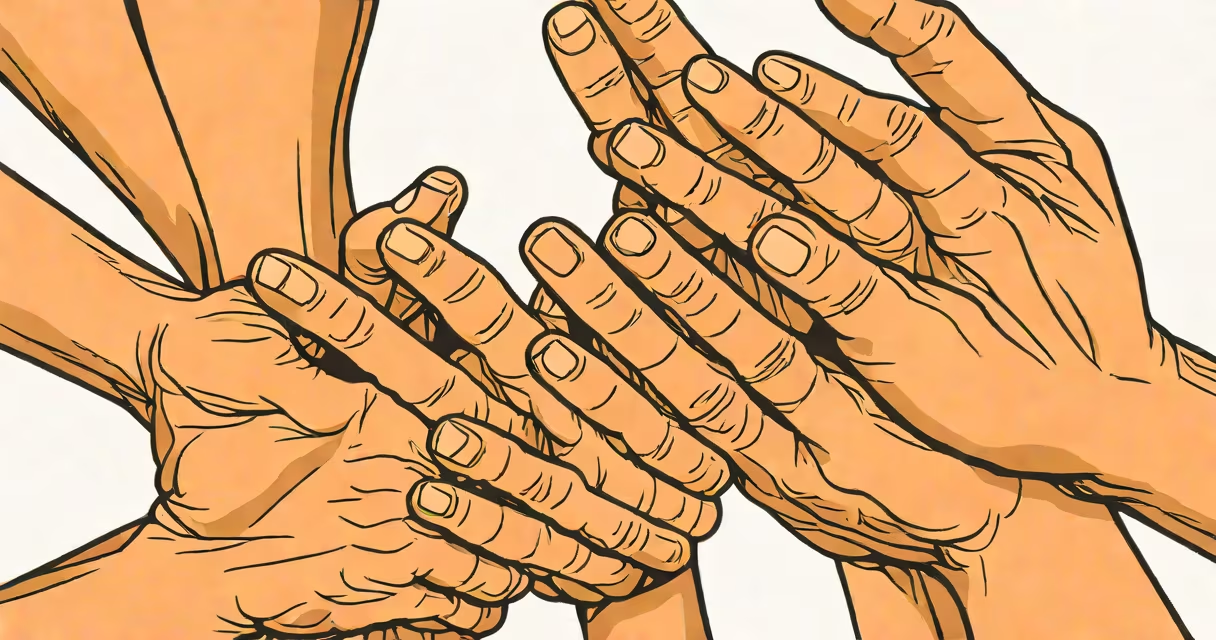
Random spasms all over body refer to brief, involuntary muscle contractions that occur unpredictably across different parts of the body, often without warning or pain. These movements are typically fleeting, lasting seconds, and may feel like a sudden jump, flutter, or tightness in muscles.
They result from spontaneous electrical signals sent from nerves to muscles, sometimes triggered by stress, fatigue, or electrolyte imbalances. While occasional spasms are common and usually harmless, widespread or persistent episodes may indicate an underlying neurological or muscular condition requiring medical evaluation.
These spasms differ from seizures, which involve altered consciousness and prolonged motor activity. They also differ from tics, which are repetitive and purposeful in nature. Random spasms all over body are not voluntary and do not follow a pattern of behavior.
Every muscle contraction begins with a signal from the nervous system. When a motor neuron fires, it releases acetylcholine at the neuromuscular junction, causing the muscle fiber to contract. In random spasms, this process occurs without conscious intent.
Spontaneous firing can happen due to hyperexcitability in peripheral nerves or spinal cord circuits. This may stem from minor disruptions in ion balance-such as low levels of calcium, magnesium, or potassium-or from temporary nerve irritation caused by pressure, dehydration, or overuse.
For example, a person who exercises intensely without adequate hydration may develop leg cramps during sleep. The muscle fibers fire erratically due to disrupted electrolyte flow, leading to a sudden, localized spasm. These are common and resolve quickly with stretching or rehydration.
Spasms vary in location, duration, and cause. They can affect isolated muscles or spread across multiple regions. The following table outlines common types based on frequency and context:
| Type | Duration | Common Triggers | Typical Location |
|---|---|---|---|
| Benign fasciculations | Seconds to minutes | Stress, caffeine, fatigue | Limbs, face, eyelids |
| Cramps | 1-5 minutes | Dehydration, overuse, low electrolytes | Calves, feet, hands |
| Myoclonus | Milliseconds to seconds | Neurological conditions, sleep, medication side effects | Whole body, limbs, trunk |
| Tetany | Minutes to hours | Severe hypocalcemia, metabolic imbalance | Widespread, especially hands and feet |
Myoclonus-brief, shock-like jerks-is particularly notable because it can affect multiple body areas simultaneously. It's seen in conditions like epilepsy, brain injury, or certain metabolic disorders. A single episode during sleep may be normal, but frequent occurrences require neurology assessment.
One non-obvious distinction: not all muscle twitches are spasms. Fasciculations-tiny, visible muscle twitches under the skin-are often harmless and linked to benign nerve hyperactivity. But when they occur in clusters across different muscle groups, especially with weakness or fatigue, they may signal early signs of motor neuron disease.
Most random spasms all over body are transient and resolve without treatment. However, red flags include:
According to the Mayo Clinic, persistent generalized muscle twitching with progressive weakness warrants evaluation for amyotrophic lateral sclerosis (ALS), though such cases remain rare. A 2020 study in Neurology found that only 1 in 10 patients with widespread fasciculations had a serious neurological diagnosis after testing.
I once observed a patient in a primary care clinic reporting daily facial twitching and foot cramps. Initial blood tests showed low serum magnesium. After supplementation, symptoms resolved within two weeks. This case illustrates how a simple deficiency can manifest as widespread spasms.
Random spasms all over body are frequently mistaken for seizures or anxiety-related muscle tension. Seizures involve loss of awareness, rhythmic jerking, and post-ictal confusion. Spasms are typically brief, localized, and do not impair cognition.
Anxiety can cause muscle tension and tremors, but these are usually sustained and tied to emotional states. Spasms, by contrast, appear randomly and stop abruptly. For example, someone anxious about public speaking may clench their jaw or grip their pen tightly-but they won't suddenly jerk their arm uncontrollably unless another factor is involved.
Another misconception: people assume all spasms stem from dehydration or lack of sleep. While these are common contributors, they don't explain cases involving rapid, bilateral limb jerks or spasms in the absence of exertion. Such patterns suggest central nervous system involvement.
Understanding random spasms all over body requires distinguishing between normal physiological responses and signs of pathology. Most are fleeting and manageable. Persistent or widespread episodes demand clinical investigation to rule out treatable neurological or metabolic disorders.