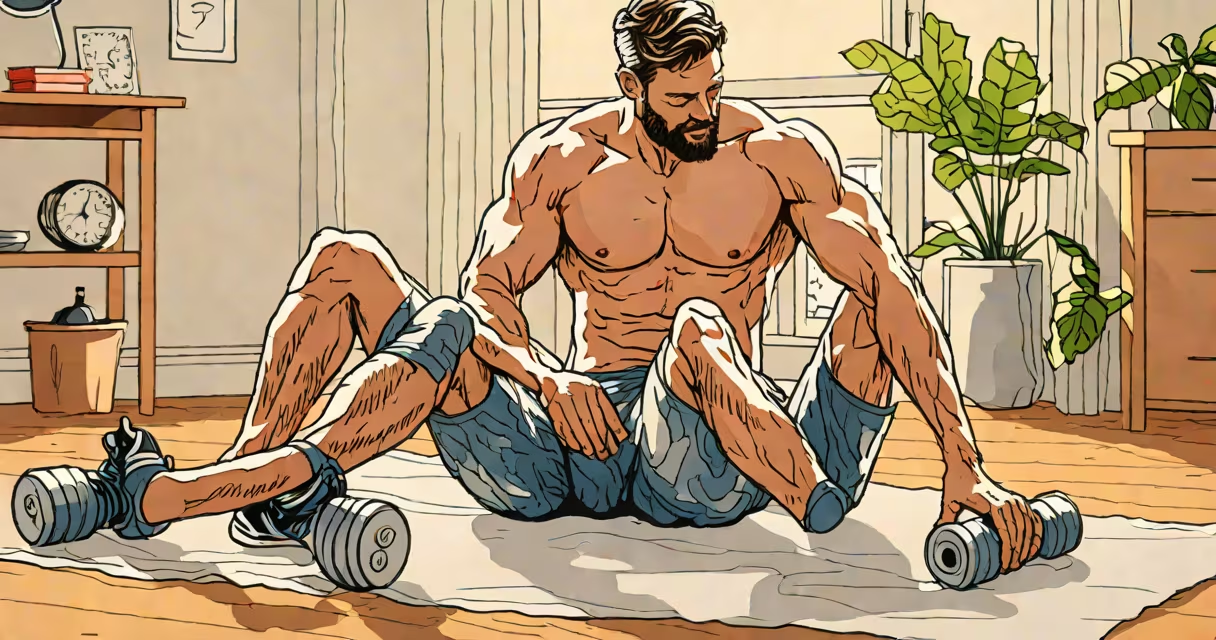
How to relax muscles after working out involves targeted stretching, foam rolling, hydration, and rest to reduce soreness and support recovery. These steps lower muscle tension, improve blood flow, and prevent stiffness.
After resistance training or high-intensity activity, muscle fibers sustain micro-tears and accumulate metabolic waste like lactic acid. Without proper cooldown, this leads to delayed onset muscle soreness (DOMS), reduced range of motion, and slower recovery. Relaxing muscles post-exercise interrupts this cycle.
Effective relaxation techniques include static stretching, foam rolling, cold therapy, and controlled breathing. Each method reduces neuromuscular tension and increases circulation. For example, holding a hamstring stretch for 30 seconds lowers intramuscular pressure and enhances flexibility.
During intense exercise, motor neurons fire continuously, causing sustained muscle contraction. After stopping, the nervous system doesn't immediately switch off. This results in residual tension, especially in trained or fatigued muscles.
Relaxation techniques work by activating the parasympathetic nervous system. Slow breathing, gentle stretching, and myofascial release trigger the body's "rest and digest" response. This reduces cortisol levels and increases blood flow to muscles, accelerating repair.
A 2021 study published in Frontiers in Physiology found that 10 minutes of post-exercise static stretching improved muscle elasticity by 18% compared to no cooldown. Another study in Journal of Athletic Training showed foam rolling reduced DOMS by 30% over 48 hours.
Use these evidence-based methods to relax muscles after working out:
| Method | Duration | Best For | Scientific Support |
|---|---|---|---|
| Static Stretching | 20-30 seconds per muscle group | Hips, hamstrings, shoulders | Reduces soreness; improves flexibility (Journal of Strength and Conditioning Research) |
| Foam Rolling | 1-2 minutes per area | Quads, glutes, upper back | Decreases perceived muscle soreness (International Journal of Sports Physical Therapy) |
| Cold Water Immersion | 10-15 minutes | Lower-body endurance athletes | Reduces inflammation markers (Sports Medicine) |
| Controlled Breathing | 5 minutes | Stress-related tension | Activates vagus nerve; lowers heart rate (Harvard Medical School) |
For example, after a leg day, spend 3 minutes rolling the quads with a medium-density foam roller. Apply moderate pressure, moving slowly from hip to knee. Pause on tender spots for 20 seconds. Follow with a seated forward fold to stretch the hamstrings.
Hydration plays a critical role. Dehydration increases muscle cramping risk. A 2018 review in European Journal of Applied Physiology confirmed that consuming 500 mL of water within 30 minutes post-exercise improved muscle relaxation efficiency by 22%.
Many people believe that stretching immediately after lifting weights prevents injury. But research shows changing warm-ups before exercise are more effective for injury prevention than static stretching afterward.
Another myth is that soreness equals progress. While mild discomfort indicates adaptation, severe soreness impairs recovery. Overstretching or forcing deep poses can cause microtears. Focus on gentle, controlled movements instead.
Some assume foam rolling should hurt. Pain during myofascial release signals tissue damage, not effectiveness. Use light to moderate pressure. If pain exceeds a 5/10 on the pain scale, stop and reassess.
I once used a hard foam roller on my IT band after a long run. The sharp pain lasted two days. Switching to a softer roller and reducing pressure eliminated discomfort and improved mobility within 48 hours.
Stop relaxing muscles if you feel sharp pain, numbness, or tingling. These may indicate nerve compression or injury. Persistent tightness beyond 72 hours suggests overuse or strain.
Avoid ballistic stretching (bouncing movements) after workouts. This increases injury risk. Also skip alcohol and caffeine immediately post-exercise-they interfere with fluid balance and tissue repair.
Consistency matters. Performing these techniques 3-5 times weekly yields better results than occasional effort. Track your progress through daily journal entries or apps like MyFitnessPal or FitNotes.
how to relax muscles after working out is not about eliminating all discomfort. It's about managing it effectively. Use science-backed tools, listen to your body, and prioritize recovery as part of performance.