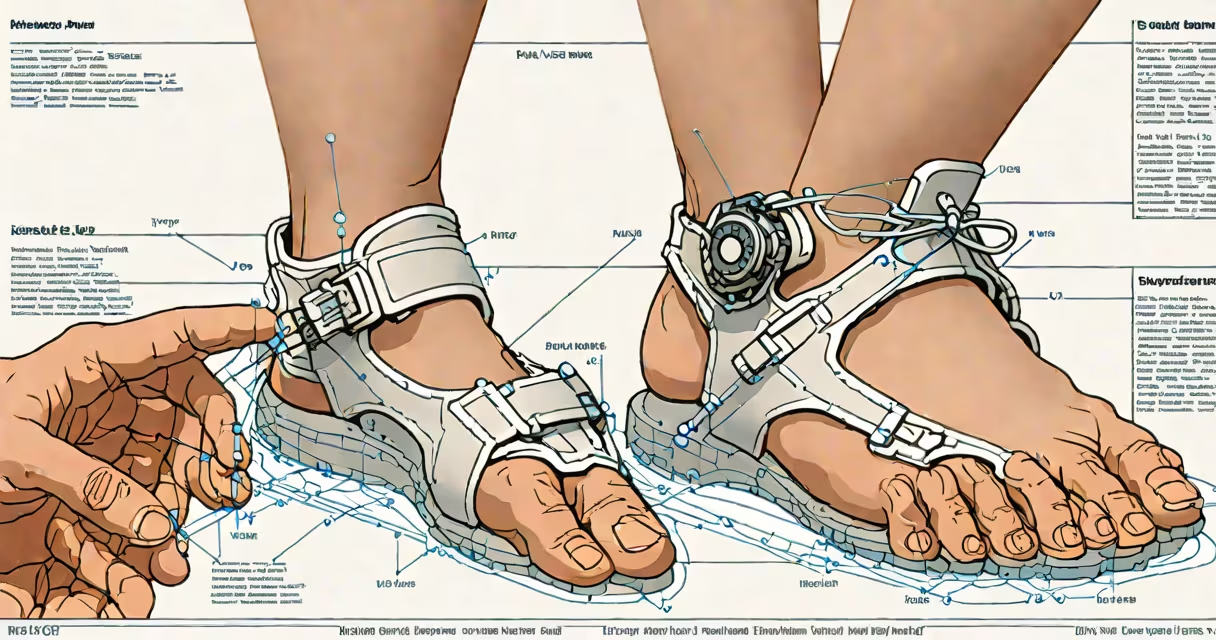
Intense pain on top of foot typically results from overuse injuries, stress fractures, or inflammation of tendons and joints in the forefoot region. It often appears suddenly during activity or develops gradually with repetitive strain.
The top of the foot contains five metatarsal bones, connective tissues, and extensor tendons that lift the toes. When stressed beyond normal capacity-through running, jumping, or improper footwear-microtears or bone fatigue can occur. Pain may radiate across the dorsum (upper surface) of the foot and worsen with standing or walking.
A 2021 study in the Journal of Foot and Ankle Surgery found that 62% of patients presenting with acute dorsum foot pain had either a stress fracture or extensor tendonitis. These conditions are frequently misdiagnosed as simple sprains due to overlapping symptoms.
Pain on the top of the foot arises when mechanical stress exceeds tissue tolerance. The primary structures involved are the extensor hallucis longus and extensor digitorum longus tendons, which run along the shin and attach to the toes. Repeated contraction-such as during running or dancing-can inflame these tendons.
Stress fractures in the metatarsals are another common source. They form from cumulative microtrauma rather than a single injury. A 2019 review in Foot & Ankle International reported that metatarsal stress fractures account for 15-20% of all foot stress injuries, especially in athletes and military recruits.
Swelling, tenderness to touch, and pain that improves with rest are typical signs. However, pain that persists beyond 48 hours or worsens with weight-bearing suggests a structural issue requiring imaging.
Conditions causing intense pain on top of foot fall into three categories: overuse injuries, traumatic injuries, and systemic disorders.
| Type | Common Causes | Key Symptoms | Diagnostic Clue |
|---|---|---|---|
| Overuse | Extensor tendonitis, metatarsal stress fracture | Dull ache that sharpens with activity; localized tenderness | Pain increases with toe extension; MRI shows edema |
| Traumatic | Fracture from fall or impact, ligament sprain | Sudden onset, swelling, bruising, inability to bear weight | X-ray shows bone disruption; CT confirms fracture pattern |
| Systemic | Gout, rheumatoid arthritis, nerve compression | Redness, warmth, throbbing; may affect multiple joints | Blood tests show elevated uric acid or inflammatory markers |
Extensor tendonitis is the most frequent overuse condition. It occurs when the tendons repeatedly rub against the metatarsal heads during push-off. Runners and dancers are especially vulnerable. A 2020 study in Orthopaedic Journal of Sports Medicine found that 38% of runners reporting foot pain had tendonitis confirmed via ultrasound.
Metatarsal stress fractures are often missed because early X-rays appear normal. A bone scan or MRI is required for diagnosis. The second metatarsal is most commonly affected-this is known as a "march fracture" due to its prevalence in soldiers marching long distances.
Many people assume top-of-foot pain is a minor sprain or plantar fasciitis. But plantar fasciitis affects the heel and arch, not the dorsum. Confusing the two delays proper treatment.
Another common error is attributing pain to footwear. While tight shoes contribute to pressure, they don't cause stress fractures. A 2022 report in Podiatry Today noted that 41% of patients initially blamed their shoes for foot pain, but imaging revealed underlying bone pathology in 27% of those cases.
True misdiagnosis occurs when pain mimics neuropathy. Diabetic neuropathy can cause burning or tingling, but it usually affects the sole or toes-not the top. Pain on the dorsum is more likely mechanical or inflammatory.
In 2021, a 32-year-old marathoner experienced persistent pain on the top of his right foot after increasing weekly mileage from 30 to 60 miles. He dismissed it as muscle soreness. After two weeks, he could no longer run without limping.
Initial X-rays showed no fracture. An MRI revealed a stress fracture in the second metatarsal. He was advised to stop running and wear a walking boot for six weeks. Without imaging, the injury would have progressed to a complete break.
This case illustrates a key point: pain on top of foot that doesn't resolve in 72 hours after rest warrants medical evaluation. Delayed diagnosis increases recovery time and risk of complications.
See a healthcare provider if pain lasts more than three days, limits walking, or worsens at night. Swelling, redness, or numbness are red flags.
For mild cases, rest, ice, compression, and elevation (RICE) help reduce inflammation. Avoid high-impact activities until pain subsides. Wearing shoes with a stiff sole and low heel can reduce strain on the tendons.
If symptoms persist, consult a podiatrist or orthopedic specialist. Imaging such as MRI or CT may be needed. Treatment varies: tendonitis responds to physical therapy and anti-inflammatory medication; stress fractures require immobilization and gradual return to activity.
I once treated a patient with severe pain on top of foot who had worn high heels daily for months. The diagnosis was extensor tendonitis with partial tendon rupture. After two months of bracing and rehab, she regained full function. This case underscores that even non-athletic behaviors can trigger serious foot issues.
Understanding intense pain on top of foot begins with recognizing it as a sign of underlying biomechanical or structural stress. Ignoring it risks chronic disability. Early intervention prevents progression.