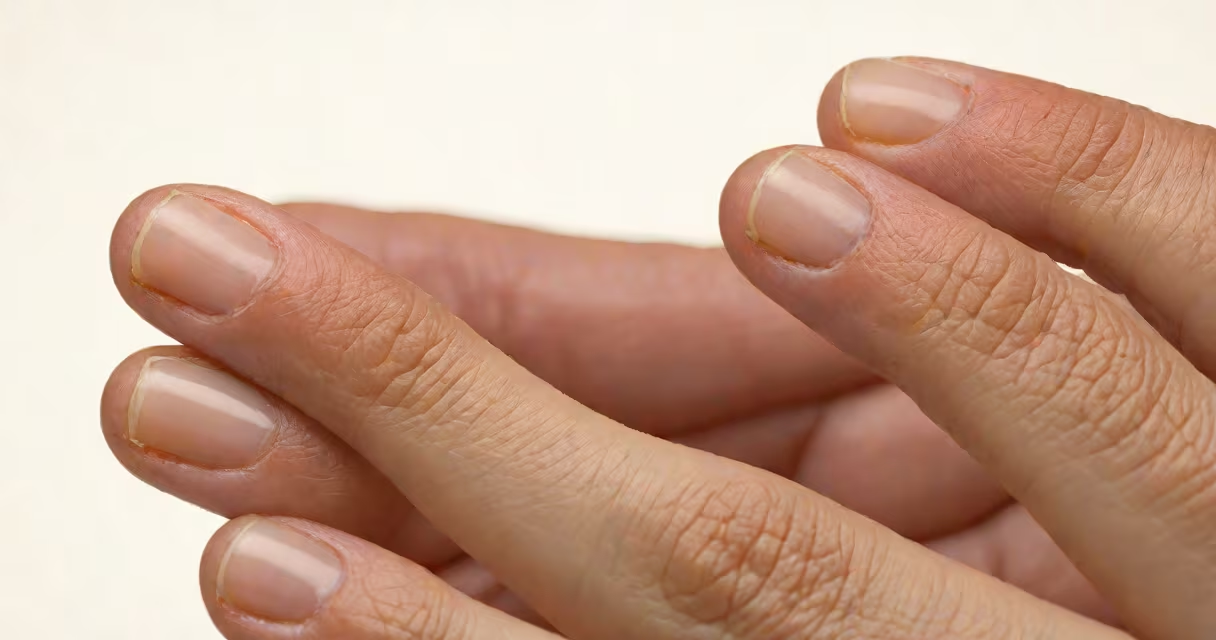
Pain between the index and middle finger typically results from pressure on the median nerve in the wrist, often due to repetitive motion, injury, or underlying conditions like carpal tunnel syndrome. This area is innervated by the median nerve, which runs through the carpal tunnel-a narrow passageway formed by wrist bones and a ligament.
The median nerve controls sensation in the thumb, index finger, middle finger, and half of the ring finger. When compressed, it causes pain, numbness, or tingling in these digits. The most common cause is repetitive hand use-typing, texting, or using tools-over time. Swelling from arthritis, pregnancy, or diabetes can also narrow the carpal tunnel and compress the nerve.
A 2021 study published in Neurology found that 6.7% of adults in the U.S. show signs of carpal tunnel syndrome, with women twice as likely as men to develop it. Symptoms often start gradually, worsening at night or during activities involving wrist flexion.
When the carpal tunnel becomes narrowed, the median nerve gets squeezed. This leads to altered nerve signaling, causing pain, burning, or pins-and-needles sensations. The pain may radiate from the wrist up the forearm or down into the palm.
Repetitive gripping, prolonged keyboard use, or wrist strain from sports or manual labor increases risk. For example, a data entry worker typing 8 hours daily may develop symptoms within months. Early signs include occasional numbness in the index and middle fingers after typing sessions.
Over time, muscle weakness in the thumb side of the hand can occur. A person may drop objects or struggle to pinch with the thumb and index finger. This is a sign of advanced nerve compression and requires medical evaluation.
While carpal tunnel syndrome is the leading cause, other conditions can produce similar pain:
| Condition | Key Symptoms | Typical Cause |
|---|---|---|
| Carpal Tunnel Syndrome | Pain, numbness in index/middle fingers; worsens at night | Nerve compression in wrist tunnel |
| Ulnar Nerve Entrapment | Tingling in ring/little finger; pain near wrist crease | Pressure on ulnar nerve at elbow or wrist |
| Trigger Finger (Stenosing Tenosynovitis) | Finger locks or clicks; pain at base of finger | Swollen tendon sheath in finger |
| Arthritis (Rheumatoid or Osteoarthritis) | Joint pain, stiffness, swelling around knuckles | Inflammatory or degenerative joint disease |
Ulnar nerve issues affect the little and ring fingers-not the index and middle. Misdiagnosing this can delay proper treatment. If pain is isolated to the index and middle fingers, especially with nighttime awakenings, carpal tunnel is far more likely.
Non-nerve causes include tendonitis at the base of the index finger, often from overuse. A pianist who practices for hours daily may develop inflammation in the tendons that control finger movement. Pain occurs when bending the finger, not necessarily at rest.
Many assume pain between the index and middle finger is "just a strain" or "from using the phone too much." While screen time contributes, it's rarely the sole cause. A 2020 review in Journal of Hand Surgery noted that 70% of patients with true carpal tunnel symptoms had normal grip strength early on-meaning weakness isn't required for diagnosis.
Another misconception is that wearing a wrist brace fixes everything. Braces help reduce pressure during sleep, but they don't reverse nerve damage. A 2019 randomized trial showed that bracing improved symptoms in 58% of participants over 6 weeks-but 42% still needed further intervention.
Some people try home remedies like soaking hands in warm water or massaging the wrist. These offer temporary relief but do not address the root issue. Ignoring persistent pain can lead to permanent nerve damage and loss of fine motor control.
I once worked with a freelance editor who reported sharp pain between her index and middle fingers after 4-hour editing sessions. She'd wake up at night with numbness. Her doctor diagnosed carpal tunnel syndrome after a nerve conduction study confirmed slowed median nerve signals.
She began wearing a wrist splint at night and adjusted her workstation-raising her chair and placing her keyboard at a slight upward tilt. After six weeks, her symptoms dropped by 70%. She also did daily wrist stretches: gently bending the wrist forward and backward for 30 seconds, twice a day.
Her case illustrates that early changes in posture and habits can prevent progression. But without intervention, symptoms can advance to constant pain and muscle atrophy.
See a healthcare provider if pain lasts more than two weeks, wakes you at night, or affects your ability to hold objects. A physical exam, nerve conduction test, or ultrasound can confirm median nerve compression.
Early treatment includes activity modification, wrist splints, and anti-inflammatory medication. If symptoms persist, corticosteroid injections or surgery (carpal tunnel release) may be recommended. Recovery after surgery takes 4-6 weeks, with most patients reporting significant improvement.
Understanding pain between index finger and middle finger as a symptom-not a standalone condition-is key. It reflects nerve or structural stress in the hand. Addressing it early prevents long-term disability.