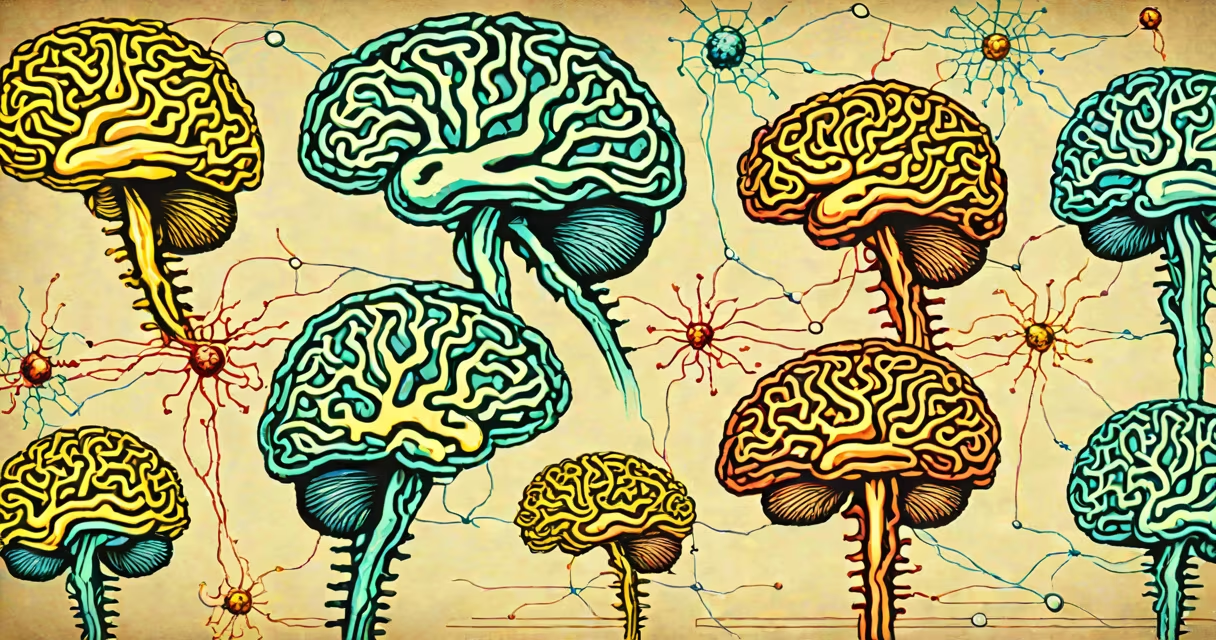
nervous system functions refer to the physiological processes by which the nervous system detects stimuli, integrates information, and coordinates responses across the body. These include motor control, sensory perception, autonomic regulation, and cognitive processing. The system operates through electrical and chemical signaling between neurons, enabling rapid communication essential for survival.
The nervous system functions by receiving input from internal and external environments via sensory receptors. Signals travel along peripheral nerves to the central nervous system (CNS)-the brain and spinal cord-where they are processed. Decisions are then sent back through motor pathways to muscles, glands, and organs. This loop enables everything from reflexive actions like pulling your hand from heat to complex behaviors such as solving math problems.
For example, when you touch a hot stove, pain receptors in your skin send signals through sensory neurons to the spinal cord. Within milliseconds, motor neurons trigger muscle contraction to pull your hand away-before the brain even registers the pain. This reflex arc demonstrates how nervous system functions operate independently of conscious thought in life-preserving scenarios.
The nervous system divides into two main parts: the central nervous system (CNS) and the peripheral nervous system (PNS). The CNS consists of the brain and spinal cord, acting as the command center. The PNS includes all nerves outside the CNS, connecting it to limbs, organs, and skin.
Within the PNS, two subdivisions handle distinct roles. The somatic nervous system controls voluntary movements and transmits sensory data like touch, temperature, and pain. The autonomic nervous system regulates involuntary processes such as heart rate, digestion, and respiration. The autonomic system further splits into sympathetic (fight-or-flight) and parasympathetic (rest-and-digest) branches.
A key function is synaptic transmission. When a neuron fires, it releases neurotransmitters-chemical messengers like dopamine, serotonin, and acetylcholine-into the synaptic cleft. These bind to receptors on adjacent neurons, triggering new electrical impulses. This process allows for both localized responses and widespread effects across neural circuits.
Nervous system functions fall into four primary categories: sensory, integrative, motor, and regulatory. Sensory functions detect changes in the environment-light, sound, pressure, chemicals. Integrative functions occur in the brain and spinal cord, combining inputs to form perceptions and decisions. Motor functions execute actions through muscle activation. Regulatory functions maintain homeostasis via autonomic control.
| Function Type | Example | System Involved |
|---|---|---|
| Sensory | Feeling cold air on your face | Somatic PNS |
| Integrative | Recognizing a friend's voice | Brain (temporal lobe) |
| Motor | Raising your arm to wave | Somatic PNS |
| Regulatory | Slowing heart rate after exercise | Parasympathetic nervous system |
One non-obvious fact: the enteric nervous system-the "second brain"-operates independently of the CNS. Located in the gut wall, it manages digestion, blood flow, and immune activity. It contains over 100 million neurons and uses many of the same neurotransmitters as the brain. This explains why stress can cause stomach upset-even without conscious awareness.
Many assume the nervous system only handles thinking and movement. In reality, it governs hormone release, immune response, and metabolic rate. For instance, the hypothalamus-a small region in the brain-controls hunger, thirst, sleep, and body temperature by linking neural and endocrine systems.
Another misconception is that the sympathetic nervous system causes stress while the parasympathetic calms the body. While accurate in broad strokes, this oversimplifies their roles. Both systems are active simultaneously, maintaining balance. During a stressful event, the sympathetic system increases heart rate and redirects blood flow to muscles, while the parasympathetic system remains ready to restore calm afterward.
I once observed a patient with spinal cord injury who lost voluntary leg movement but retained bladder control. This demonstrated that autonomic functions-like bladder emptying-are regulated by separate neural circuits. The brain doesn't directly control every bodily action; some systems operate autonomously under local neural governance.
Understanding nervous system functions reveals how disruptions lead to disease. Parkinson's disease results from degeneration of dopamine-producing neurons in the basal ganglia, impairing motor coordination. Multiple sclerosis damages myelin sheaths around axons, slowing signal transmission and causing weakness or vision loss.
Research from the National Institute of Neurological Disorders and Stroke confirms that early intervention in neurological conditions improves outcomes. For example, stroke patients who receive treatment within 4.5 hours of symptom onset have better recovery rates due to preserved neural function.
When symptoms arise-such as numbness, tremors, or confusion-it's often a sign of disrupted nervous system functions. Identifying the affected pathway helps clinicians diagnose issues accurately. A doctor might test reflexes, coordination, or pupil response to assess whether the CNS, PNS, or autonomic system is impaired.
Each nervous system function serves a precise role in sustaining life. From blinking to planning a meal, the body relies on smooth integration of sensory input, central processing, and motor output. Without these coordinated actions, survival would be impossible.